
Reviewed · SCUBA DIVING & THE TULAMBEN WRECK
PADI Open Water Course
Open-water certification in Bali can feel refreshingly doable. In three days, this PADI Open Water course blends knowledge work, pool skills, and four sea sessions near Padang Bai and Tulamben, with training geared toward 18m limits.
I also like the small group setup (up to 3 people), which usually means you get more attention when you need it.
The other big win for you is the smooth, all-in routine: hotel pickup and drop-off, plus meals and drinks like lunch, snacks, coffee/tea, and bottled water. The possible drawback is that the pace is real—three days of theory, pool practice, and open-water sessions—plus you must meet the health questionnaire rules and avoid training soon after flying.
In This Review
- Key highlights to know before you go
- Three Days to PADI Open Water Certification in Kuta
- Neptune Scuba Center: Sanur meeting point, pickup, and small-group pace
- Day 1 Knowledge Development: where confidence gets built
- Day 2 Pool Training: skills you’ll use again and again
- Four sea sessions in Padang Bai and Tulamben (18m limit)
- What the instructors get right: patient coaching with real names
- Price and value: what $530 covers (and what it doesn’t)
- Timing and safety rules that actually matter
- Getting the most from your three days in Bali
- Who should book this course in Bali?
- Final call: should you book this PADI Open Water Course?
- FAQ
- What is the duration of the PADI Open Water Course?
- What does the course include?
- Where are the open-water sessions held?
- What is the maximum depth connected to the certification?
- Is hotel pickup included?
- How much is the course?
- What’s included in the price besides instruction?
- What is not included?
- What are the health and medical requirements?
- What is the minimum age and group size?
- When can I cancel for a full refund?
Key highlights to know before you go
- Small group size (max 3 travelers) for a more personal pace
- Three distinct phases in three days: knowledge, pool, then four sea sessions
- Padang Bai and Tulamben are both on the plan for your in-water practice
- Included transport and meals (air-conditioned minivan, lunch, snacks, drinks)
- Max training depth of 18m as part of the course outcome
- Common-sense health rules: questionnaire required, and flying timing matters
Three Days to PADI Open Water Certification in Kuta
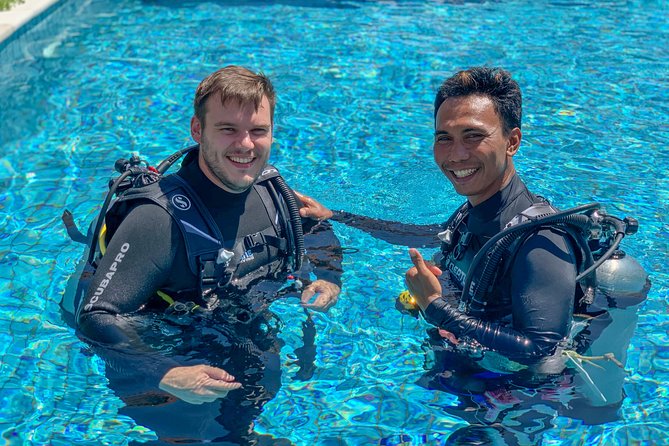
This PADI Open Water Course is the classic starting point for people who want to become confident and independent underwater. The goal is simple: you learn the knowledge and skills you’ll use for years, then finish with certification that allows you to reach a maximum depth of 18m when you’re properly planned and within training limits.
What makes this course especially workable in Bali is the structure. You’re not thrown straight into the sea without a base. Instead, you move through the three core phases across three days: Knowledge Development, pool training, and then four sea sessions in Padang Bai and Tulamben.
Also, don’t overlook that this is designed for real life after the course. The training is meant to give you repeatable skills, not just a one-day checkbox. If you’ve ever worried that lessons will be rushed, the small group size helps you feel seen.
More scuba trips, from the Tulamben wreck to Menjangan
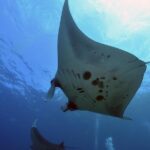
Neptune Scuba Center: Sanur meeting point, pickup, and small-group pace
Your day starts and ends at the operator’s meeting point in Sanur Kauh. The start location is Jl. Suka Merta, Sanur Kauh, Denpasar Selatan, Kota Denpasar, Bali 80228. The course ends back at that same meeting point.
Good practical detail: pickup and drop-off are included, and the transfer is done by air-conditioned minivan. Since this is listed for Kuta, that means you’re not stuck doing awkward solo navigation right before you start pool work or theory sessions. You also get a mobile ticket, which is usually one less thing to print or misplace.
Another plus: the operator notes the center is near public transportation. If you’re staying somewhere that’s easier to reach by bus or taxi, you have options.
Finally, keep the group size in mind. The activity has a maximum of 3 travelers, so you’re less likely to feel like a number in a large class. That tends to matter most during the moments when you need extra feedback—breathing timing, gear checks, or buoyancy.
Day 1 Knowledge Development: where confidence gets built
The course kicks off with Knowledge Development, which is the foundation for everything that follows. This is the part where you learn what you need to understand before you ever spend time in open water: how equipment works, how to manage skills safely, and what to expect underwater.
This matters for one big reason: when the theory clicks, the rest feels less scary. You’ll spend less time guessing, and more time practicing. And since this is a course built for beginners and mixed skill levels, the knowledge phase is where you get the mental map.
A smart prep move (if you can): one participant used the PADI online theory approach before traveling. That made the early classroom style content feel more like review than a brand-new start. If that option is available to you at booking, it can be a good way to reduce Day 1 stress.
Day 2 Pool Training: skills you’ll use again and again
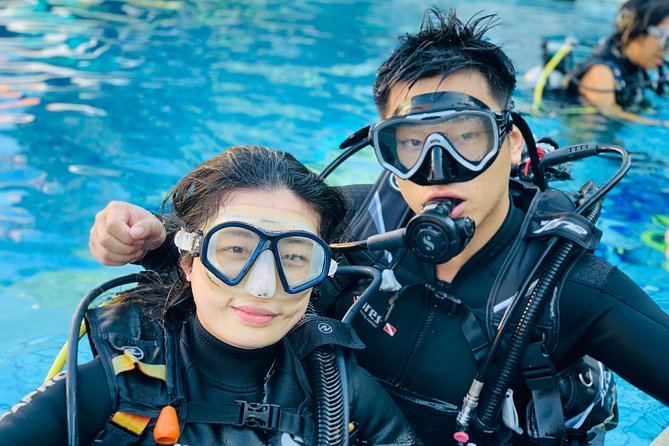
After the knowledge phase, you move into Pool Training. The pool is where you practice skills in controlled conditions. Think of it as your test-run lab: you can repeat, correct, and build muscle memory without the extra variables of waves, boat transfers, or changing visibility.
From what I see in the kinds of training people talk about afterward, the pool day is where the instructor support really makes a difference. One experience shared included extra help with buoyancy control, and that’s exactly the kind of topic that can make open-water sessions feel smooth instead of chaotic.
If you’re even mildly nervous about swimming or gear handling, treat pool day as your chance to get comfortable at your own speed. The course is designed for people learning the system, not people already doing it perfectly.
Four sea sessions in Padang Bai and Tulamben (18m limit)
Now for the part that most people book for: open-water training. The plan is four sea sessions, spread across Padang Bai and Tulamben.
Why split locations? You get practice in more than one environment. That helps you learn how your skills adapt when conditions change, instead of training to a single set of features. Even if you love one spot more than the other, the key value is the variety.
Your training outcome is tied to a maximum depth of 18m, which is the ceiling for your Open Water certification. In real terms, that means the instructors work within safe limits as you progress, so you finish with the confidence and skills needed to manage depth and technique.
Practical note: open-water sessions depend on conditions and safety requirements, so the schedule is built around training progression rather than a sightseeing checklist. If you’re the type who hates being flexible, you’ll want to mentally prepare yourself for that.





What the instructors get right: patient coaching with real names
The course isn’t just “a checklist.” It’s your instructor’s ability to translate the skills into something you can actually do while staying calm.
Several instructors and guides stood out by name in experiences shared, and the common thread was patience. Examples include:
- Julian paired with the Neptune team during an Open Water course, with the experience described as fantastic
- Sia, described as patient and professional during the three-day course
- Gede Ariawan, praised as kind, personal, and passionate, with strong knowledge and guidance
- Muli, highlighted for being amazing and very patient, including support for someone who wasn’t a strong swimmer
- Agus, mentioned as part of the on-water support team, with clear guidance
I love seeing this because scuba skills depend on calm repetition. If your coaching style is clear and supportive, you’re much more likely to progress quickly and feel safe.
Price and value: what $530 covers (and what it doesn’t)
The price is $530.00 per person for the full three-day PADI Open Water course. A useful way to think about value here is to look at what’s already included.
Your package includes:
- All taxes, fees, and handling charges
- Hotel pickup and drop-off
- Air-conditioned minivan transport
- Professional guide / driver / guide support
- Bottled water
- Lunch, plus coffee/tea and snacks
That’s not just “nice to have.” It’s the difference between a smooth training block and spending your energy (and money) chasing food and transport between phases.
What’s not included:
- Souvenir photos (available to purchase)
So if you’re budgeting, plan for photos only if you want them. Otherwise, your day-to-day costs during the course should stay predictable.
One more value clue: this course is typically booked about 11 days in advance on average. If you want a specific schedule, don’t wait until the last minute.
Timing and safety rules that actually matter
Two items in the course info are worth putting on your travel planning checklist.
First: diving within 18 hours of flying is not recommended. That’s about pressure changes and your body’s ability to adapt. If your Bali trip includes a long-haul flight right before the course, you may want a buffer day.
Second: you must complete a health questionnaire prior to diving. The course info lists that some medical conditions may prevent you from participating, including examples like asthma and heart conditions. It also says you should not participate if you have things like a current cold or congestion, epilepsy, coronary disease, a severe medical problem, or if you’re under the influence of alcohol or drugs.
You’ll also need your respiratory and circulatory systems in good health, and your body’s air spaces should be normal and healthy. That’s the practical version of: if you can’t breathe well or something’s inflamed, don’t force it.
If you’re unsure about your situation, the course info recommends talking to your doctor. That’s not dramatic. It’s smart risk management.
Getting the most from your three days in Bali
Here’s how you can make those three days go smoothly, even if you’re coming in stressed.
Do your prep before you arrive. If there’s a chance to do the PADI knowledge work online ahead of time, it can lighten the load on Day 1. Even if you don’t go all-in online, reading the materials early helps.
Sleep like it’s part of training. You’re working on breathing and coordination. Bad sleep tends to make skills harder.
Eat like a real person. Lunch, snacks, and drinks are provided during the course, but your body still needs fuel. Don’t arrive hungry and cranky.
Plan your day around the course, not side trips. The course is three days and includes multiple phases. You’ll get the most out of it if you treat it like your main plan, not a side quest.
And one more thing: bring a positive attitude toward learning. Even if you’re not a strong swimmer, patient instructors can help you figure it out step by step, as reflected in the experiences shared with instructors like Muli.
Who should book this course in Bali?
This PADI Open Water Course is best for you if:
- you want the most popular entry point in the PADI system
- you’re okay with a structured three-day schedule
- you can meet the health questionnaire and safety requirements
- you want guided training that leads to certification with a max depth of 18m
It’s also a good fit if you’re brand-new. The course is set up for learners, and the coaching style highlighted in experiences included people who weren’t confident swimmers at the start.
Minimum age is 10 years, and the course info says most travelers can participate—so long as health rules are met and you’re ready for the underwater training environment.
Final call: should you book this PADI Open Water Course?
If you want a straightforward path to PADI Open Water certification with included transport and meals, this course checks a lot of practical boxes. The three-day structure (knowledge, pool, then sea sessions) reduces the fear factor. The small group size is a big deal if you learn best with more direct attention.
I’d think twice if you:
- can’t meet the health questionnaire requirements
- are planning to fly and then join the training within 18 hours
- hate schedules that prioritize training over sightseeing
If that stuff lines up for you, booking is a pretty good move. You’ll spend your time learning skills you can use long after the course ends.
FAQ
What is the duration of the PADI Open Water Course?
The course runs for about 3 days.
What does the course include?
It includes Knowledge Development, Pool Training, and 4 open-water sessions with the course ending with Open Water certification training outcomes.
Where are the open-water sessions held?
The open-water sessions take place in Padang Bai and Tulamben.
What is the maximum depth connected to the certification?
The course description states that after certification you can scuba to a maximum depth of 18m.
Is hotel pickup included?
Yes. Hotel pickup and drop-off are included.
How much is the course?
The listed price is $530.00 per person.
What’s included in the price besides instruction?
The price includes taxes/fees, professional guide support, transport by air-conditioned minivan, bottled water, lunch, coffee and/or tea, and snacks.
What is not included?
Souvenir photos are not included (they’re available to purchase).
What are the health and medical requirements?
You’ll complete a health questionnaire before diving/underwater training. People with conditions such as asthma or heart conditions may be prevented from participating, and you should not participate with a current cold or congestion, epilepsy, coronary disease, a severe medical problem, or under the influence of alcohol or drugs.
What is the minimum age and group size?
Minimum age is 10 years. The tour/activity lists a maximum of 3 travelers.
When can I cancel for a full refund?
You can cancel up to 24 hours in advance for a full refund.
More Bali Reviews & Picks

More Scuba & Wreck Dives
Still deciding? More Bali days reviewed, from volcano sunrises to island crossings



Scuba Diving & the Tulamben Wreck, compared.
 ★ 5.0Open Water Course in Nusa Lembongan – Get Certified on remote island (next Bali)From $461864 reviews
 ★ 5.02 Days Discover Scuba Diving in Nusa Lembongan – Scuba InitiationFrom $151506 reviews
 ★ 5.0Open Water Course in Tulamben – Get Certified in BaliFrom $376495 reviews
 ★ 5.0Bali Diving for Beginners: Tulamben Liberty WreckFrom $89367 reviews
 ★ 5.0Discover Scuba Diving in Tulamben – Diving Initiation in Bali best diving sitesFrom $89353 reviews
 ★ 5.0Advanced Open Water Course – Advanced Certification in Lembongan (next to Bali)From $431222 reviews
 ★ 5.05 Fun Dives in Nusa Lembongan (for certified divers) – Swim with a Mola MolaFrom $256205 reviews
 ★ 5.0Scuba Diving in Nusa Penida – Manta PointFrom $175198 reviews
Browse the lists this tour appears in