
Reviewed · SCUBA DIVING & THE TULAMBEN WRECK
Discover Scuba Diving in Tulamben – Diving Initiation in Bali best diving sites
First-time scuba students in Bali usually worry about feeling overwhelmed. This private Tulamben course keeps things calm, with a progressive skills plan and one instructor focused on you. I especially like that you start in easy, walk-in water and then move on to the USS Liberty wreck, so your first real ocean moments feel earned. One consideration: the schedule is weather-dependent, and you’ll need to commit to the half-day session (it’s not a quick in-and-out).
If you’re chasing marine life, Tulamben is a smart place to begin. You’ll practice core breathing and equipment skills, then head to Coral Garden—described as an enormous underwater habitat—before finishing at the shipwreck. You can also choose to buy digital underwater photos afterward, which is handy if you don’t want to mess with your own camera on day one.
In This Review
- Key Points You’ll Actually Care About
- Why Tulamben Works So Well for a First Scuba Session
- The Private Course Setup: Comfort, Control, and One Coach
- Your Half-Day Itinerary, Step by Step (What Happens When)
- Step 1: Short briefing + confidence exercises
- Step 2: Coral Garden
- Step 3: Short rest at the dive center
- Step 4: USS Liberty Shipwreck
- Stop 1: USS Liberty Shipwreck First? Here’s What That Means
- Stop 2: Tulamben Beach and the Practical Reality of Getting Ready
- Coral Garden: Learning in a Living Aquarium Setting
- What Marine Life You Might Spot (and How to Improve Your Odds)
- Equipment and Included Gear: What You Won’t Have to Worry About
- Underwater Photos: A Smart Add-On, Not a Trap
- Price and Value: What $89.40 Buys You in Real Terms
- Timing, Where You Start, and What to Wear
- Who This Is Best For (and Who Might Want a Different Plan)
- Should You Book This Tulamben First-Timer Scuba Session?
- FAQ
- What is the duration of the experience?
- Where does the tour start and end?
- Is this suitable for complete beginners?
- What are the main training steps in the course?
- What underwater sites are included?
- What equipment is provided?
- Can I buy photos or video from the experience?
- Is pickup available?
- Is there a minimum age requirement?
- What happens if weather is poor?
Key Points You’ll Actually Care About
- Private instruction means your instructor can slow down (or speed up) based on how you’re doing.
- Shallow-water skills happen before you go anywhere exciting, so you learn in a low-pressure setting.
- Coral Garden first, USS Liberty next gives you two different styles of scenery: reef life, then a historic wreck.
- Equipment and training gear are included, so you’re not trying to figure out rentals on the fly.
- Underwater photos are optional, so you’re not forced into a package.
Why Tulamben Works So Well for a First Scuba Session
Tulamben is one of Bali’s most beginner-friendly starting points because it’s built around calm, structured training. Instead of tossing new students into the deep, this format is designed to build comfort step by step, so the whole experience feels like a lesson—not a stunt.
What makes it especially appealing is the pairing of sites. Coral Garden is all about learning and seeing life in a reef-like setting, while the USS Liberty shipwreck adds that big, memorable moment most people came for in the first place. When your first underwater experience has both training and a strong payoff, you’re much less likely to finish feeling unsure or disappointed.
There’s also a practical benefit: you’re operating from the Tulamben area (pickup is included in the Amed/Tulamben surroundings). That means less travel time on a day when you’re learning a brand-new activity and probably want things simple.
More scuba trips, from the Tulamben wreck to Menjangan
The Private Course Setup: Comfort, Control, and One Coach
This is a private tour/activity, so only your group participates. That matters more than people expect. In a group class, you can end up waiting, guessing, or getting rushed to match someone else’s pace. Here, your instructor can stay with you and adjust explanations and exercises based on how your body is responding to the breathing and gear setup.
The course is also framed as a scuba initiation rather than a technical endurance test. You’ll spend time learning how to put together your equipment, how to manage buoyancy using the buoyancy control jacket, and how to move underwater with your gear instead of fighting it.
If you want an example of what good instruction looks like, one recent instructor named Budi stood out for clear explanations and steady support for first-timers. The bigger takeaway for you: look for calm, patient coaching, and this style is exactly what the course is set up to deliver.
Your Half-Day Itinerary, Step by Step (What Happens When)
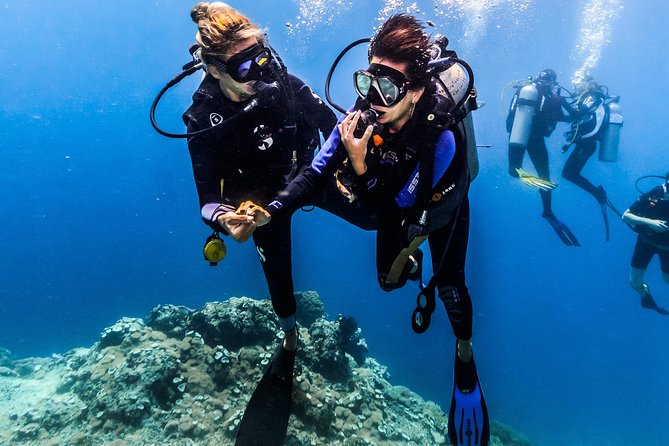
The whole session runs about 7 hours, but you’re really working like a half-day program. Think of it as a smooth sequence: short briefing, easy practice, then two underwater experiences.
Step 1: Short briefing + confidence exercises
You start with a briefing to cover the basics, then you move into shallow water that’s described as shallow enough to stand. That’s a big deal for first-time students. If anything feels off, you can reset in a way you can’t do in deeper water.
You’ll also practice basic skills in the water so you can evolve with ease under direct supervision. The learning curve is specifically described as progressive, so the goal is comfort first.
Step 2: Coral Garden
Next comes a dive at Coral Garden, described as an enormous aquarium. Even if you don’t know the marine-life jargon yet, the concept is easy: you’re going into a nature-rich area where you have better odds of seeing interesting life while you continue building comfort.
This is the “learn and explore” stop. You’re not just collecting photos—you’re connecting the skills you practiced in shallow water to how it feels when you’re surrounded by sea life.
Step 3: Short rest at the dive center
After Coral Garden, there’s a rest/refuel stop at the dive center. That pause is more than convenience. It gives you time to calm your breathing, hydrate, and let your brain digest what you just learned before the next underwater setting.
The dive center has facilities like Wi‑Fi, a toilet, a shower, and lockers/change rooms, which makes the recovery part of the day less stressful. A restaurant/warung is available too, but food and drinks aren’t included.
Step 4: USS Liberty Shipwreck
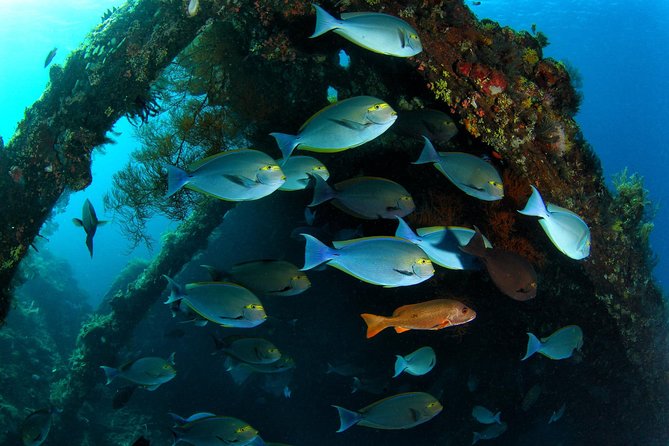
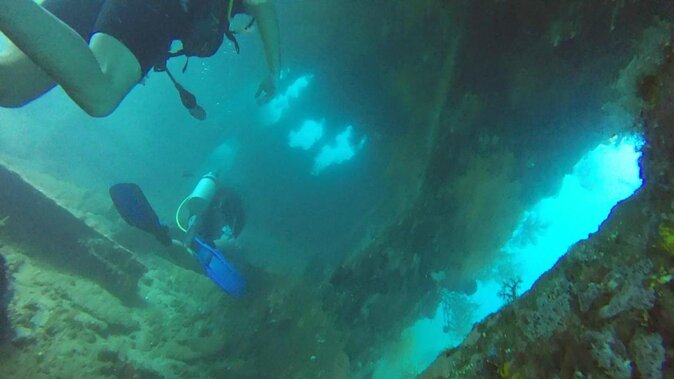
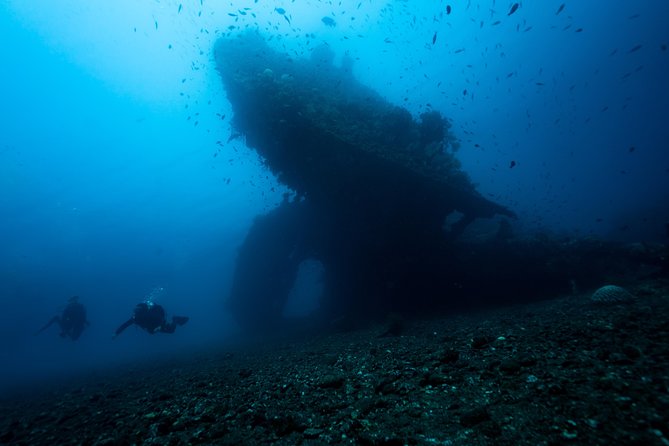
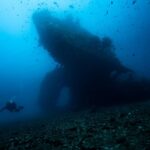
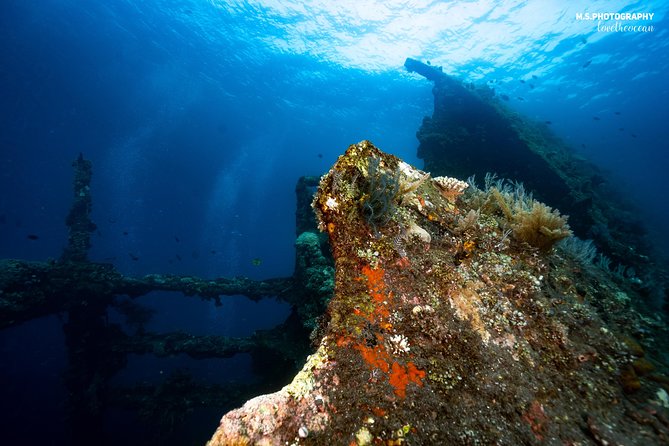
Finally, you head to the USS Liberty shipwreck. For many people, this becomes the highlight because it’s a dramatic change from reef-style scenery. Shipwrecks also tend to attract marine life, which helps the whole first-session feel more rewarding.
The course is built so this isn’t random. By the time you get here, you’ve already practiced the basics, so you can focus more on watching and less on managing panic.
Stop 1: USS Liberty Shipwreck First? Here’s What That Means
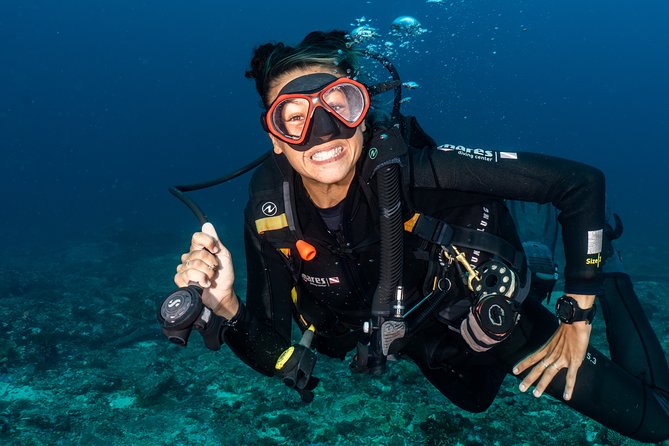
The order shown here includes USS Liberty as Stop 1. That’s worth noting because it changes the emotional arc of the day.
If you’re the type who likes to hit the main highlight early, this works in your favor. You’ll get the wreck experience right away, which can turn the rest of the day into momentum instead of nerves. Also, because the overall course emphasizes progressive skill-building, you’re still supported for the unfamiliar sensations of breathing underwater.
That said, if you prefer to warm up first, you may want to mentally prepare that the wreck visit can come early. Either way, you’re not going in blind: you’ll have briefing and practice time as part of the initiation structure.
Stop 2: Tulamben Beach and the Practical Reality of Getting Ready
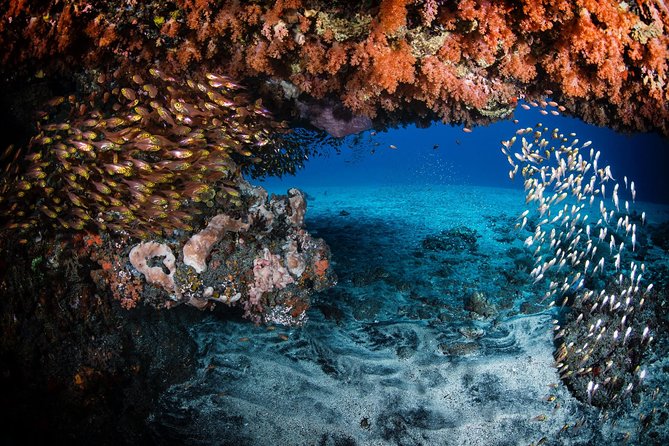
Tulamben Beach is listed as part of the flow, which usually translates to how the day is paced on land. This is where you’ll handle the real-world tasks that affect comfort: gearing up, meeting your instructor, and settling your focus before you’re underwater.
On day one, those “small” steps matter because you’re learning new muscle habits (gear handling and breathing). Having a beach-based setup helps keep transitions simple, especially since pick-up/drop-off is included around Amed/Tulamben.
One more practical note: a wetsuit and weight belt are included. That reduces friction, because you don’t need to track rentals or guess which weight setup you’ll need. Still, you’ll want to tell your instructor about any discomfort you feel during fitting so they can adjust your experience for safety and comfort.
Coral Garden: Learning in a Living Aquarium Setting
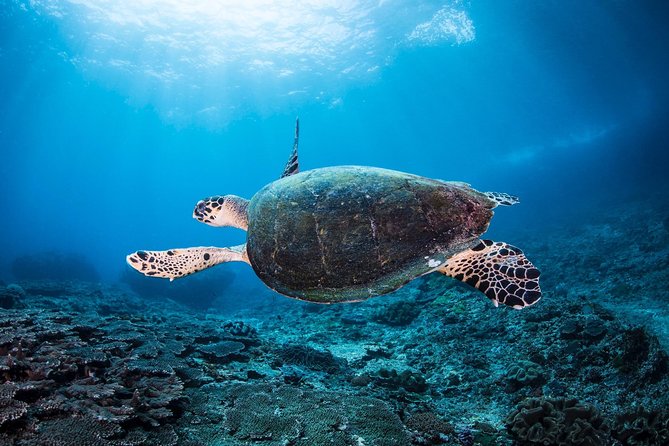
Coral Garden is described as an enormous aquarium, and the purpose of this stop is pretty clear. It’s not only about marine life—it’s about making your training feel real.
A reef-like environment is ideal for building confidence because it gives you something to look at while you’re practicing. You’re not staring at plain water, and you’re not only watching instruments. You’re learning how buoyancy and movement affect your control, while also getting the sensory payoff of seeing life up close.
From a value standpoint, this stop makes the course better than a basic “learn-only” session. You get meaningful scenery while your skills are still being taught. That’s why many first-time students leave feeling like they had an actual experience, not just a class.
What Marine Life You Might Spot (and How to Improve Your Odds)
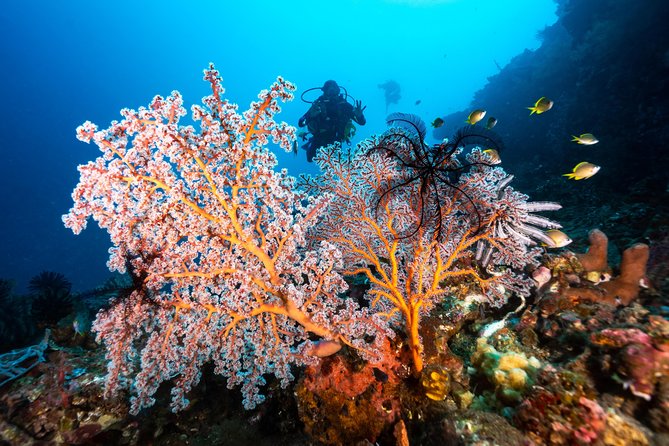
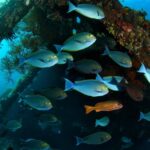
The course is designed to heighten your chances of spotting rare marine life at nature-rich spots. That wording matters. It means the itinerary isn’t random sightseeing; it’s a deliberate match of training needs and marine-life opportunities.
To maximize your odds, think less about trying to find everything and more about staying calm and stable in the water. When your buoyancy is steady, you’ll naturally scan better and spend less energy. You’ll also be less likely to rush, which helps you notice small things like patterns in the water column and movement near the reef or wreck.
If you’re coming in with the mindset that the first session is about learning control, you’ll get more out of the life you do see. The goal here is better viewing through better comfort.
Equipment and Included Gear: What You Won’t Have to Worry About
The equipment list included is one of the biggest “quiet wins” in this package. You get mask, snorkel, fins, a buoyancy control jacket, a regulator, and other instruments. You also get a wetsuit and a weight belt.
That reduces your pre-trip stress. On a first-time course, the worst thing is spending energy figuring out gear instead of learning how it works in your body. With gear provided, you can focus on instruction and staying relaxed.
You’ll also have use of the dive center facilities: shower, locker, change room, toilet, and Wi‑Fi. After underwater sessions, being able to reset comfortably makes a difference in how the rest of your day feels.
Underwater Photos: A Smart Add-On, Not a Trap
Digital souvenir photos/videos are available to purchase, but they aren’t included. I like how this is set up: you’re not paying for something you may never want, especially if you prefer to travel light.
For first-time students, underwater imagery can be surprisingly helpful. You can see what your posture looks like, how your buoyancy seems in motion, and what to aim for next time. If you’re unsure whether you’ll care, consider buying only if you know you’ll want memories you can share.
Price and Value: What $89.40 Buys You in Real Terms
At $89.40 per person, this is priced like a serious introduction session, not a casual snorkel outing. The value is strongest when you count what’s included.
You’re getting private instruction, certified instructor support, full equipment (including wetsuit and weight belt), and round-trip pickup/drop-off for the Amed/Tulamben surroundings. You’re also getting two major underwater experiences as part of the course structure—Coral Garden and the USS Liberty shipwreck—plus training in shallow water first.
The extra costs to plan for are mainly optional or convenience-based. Food and drinks at the dive center aren’t included, and photos/videos are extra if you choose them. If you’re already traveling with your own gear, you’re still likely better off with this inclusive package because it handles fitting and setup as part of the instruction.
Timing, Where You Start, and What to Wear
The session runs roughly 7 hours, and it fits into your day without taking over your whole travel schedule. Opening hours run from 7:00 AM to 8:00 PM, which helps if you’re coordinating with other plans around Amed or Tulamben.
For what to wear, the core truth is simple: you’ll be suiting up for a wetsuit session, so pack light and plan for a change afterward. Since there’s a shower and change room at the center, you can keep your day comfortable after your last stop.
Also, confirmation is provided within 48 hours of booking (subject to availability). For planning, it helps to keep your afternoon flexible, because the experience depends on good weather.
Who This Is Best For (and Who Might Want a Different Plan)
This initiation is explicitly for first-time students, and it’s designed for a progressive learning curve. A minimum age of 10 is required, so it’s a real option for older kids who can follow safety instructions and stay calm with the basics of equipment and breathing.
If you have moderate physical fitness, you should be fine. That doesn’t mean athletic fitness is required. It just means you’ll be able to manage basic movement, gear handling, and the active part of getting in and out of the water without feeling completely wiped out.
If you’re someone who panics with unfamiliar breathing sensations, you should take the process slowly and listen closely to your instructor. The whole point of this course is supervised practice, not forcing you to “tough it out.”
Should You Book This Tulamben First-Timer Scuba Session?
I’d book this if you want three things: strong beginner coaching, a structured path to comfort, and an itinerary that ends with a real highlight. The two-site approach is the difference between a learning day and a day you’ll actually remember.
Book it especially if you care about seeing marine life early. Coral Garden gives you a reef-life feeling while you’re still learning, and USS Liberty adds the iconic shipwreck wow factor. If you’re traveling with a partner or friends and want everyone supported on the same schedule, the private setup is a real advantage.
Skip it or consider another format if you need a super flexible plan on weather day, because it requires good weather. Also, if you’re hoping for a long underwater time and technical training, this is an initiation course with a half-day commitment and a beginner-first focus.
Overall, it’s a practical, confidence-building way to start scuba in Bali—without making your first day feel like guesswork.
FAQ
What is the duration of the experience?
The experience lasts about 7 hours.
Where does the tour start and end?
It starts at the meeting point in Tulamben and ends back at the same meeting point.
Is this suitable for complete beginners?
Yes. It’s a beginner-focused initiation course, designed for people who have never done scuba before.
What are the main training steps in the course?
The course has four main steps: a short briefing with shallow-water exercises, a session at Coral Garden, a short rest at the dive center, and then a session at the USS Liberty shipwreck.
What underwater sites are included?
Coral Garden and the USS Liberty shipwreck are included.
What equipment is provided?
Mask, snorkel, fins, buoyancy control jacket, regulator, and other instruments are included. A wetsuit and weight belt are also included.
Can I buy photos or video from the experience?
Yes. Digital souvenir photos/videos are available to purchase, but they are not included.
Is pickup available?
Yes, pickup and drop-off are included for Amed/Tulamben surroundings.
Is there a minimum age requirement?
Yes, the minimum age is 10 years.
What happens if weather is poor?
The experience requires good weather. If it’s canceled due to poor weather, you’ll be offered a different date or a full refund.
More Bali Reviews & Picks
More Scuba & Wreck Dives
Still deciding? More Bali days reviewed, from volcano sunrises to island crossings
Scuba Diving & the Tulamben Wreck, compared.
 ★ 5.0Open Water Course in Nusa Lembongan – Get Certified on remote island (next Bali)From $461864 reviews
 ★ 5.02 Days Discover Scuba Diving in Nusa Lembongan – Scuba InitiationFrom $151506 reviews
 ★ 5.0Open Water Course in Tulamben – Get Certified in BaliFrom $376495 reviews
 ★ 5.0Bali Diving for Beginners: Tulamben Liberty WreckFrom $89367 reviews
 ★ 5.0Advanced Open Water Course – Advanced Certification in Lembongan (next to Bali)From $431222 reviews
 ★ 5.05 Fun Dives in Nusa Lembongan (for certified divers) – Swim with a Mola MolaFrom $256205 reviews
 ★ 5.0Scuba Diving in Nusa Penida – Manta PointFrom $175198 reviews
 ★ 5.0Nusa Penida Two Dives Trip for Certified DiversFrom $132197 reviews
Browse the lists this tour appears in