
Reviewed · FARM & VILLAGE COOKING CLASSES
Pure Bali Village Experience, Cooking & Jamu Class+VIP Transfer
One morning, you trade traffic for village trails. This Pure Bali Village Experience pairs a hands-on jamu (herbal tonic) class with an open-air Balinese cooking class and a visit to the sacred Belulang Hot Spring. You also get out of the main tourist zones and into the Batukaru mountain region, where daily life is built around rice fields, gardens, and local spirituality.
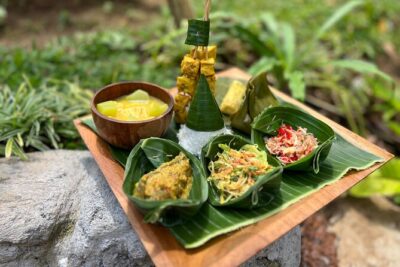
Two things I especially like: first, the small group size (max 12) means the day feels personal, not like a factory tour. Second, you’re not just watching cooking—you’re making jamu in the pavilion and cooking dishes yourself at Paon Bali, including Sate Lilit and a clay-pot dessert called Lak Lak.
One consideration: the day runs about 8 hours and includes a short downhill walk/trek plus a lot of active stops, so if you want an ultra-low-effort outing, this may feel busy.
In This Review
- Key points to know before you go
- Why this Bali village day feels different from the usual cooking class
- 7:30am pickup and the drive into the Batukaru mountain area
- Rindik instrument intro and a relaxed village walk to set the tone
- Herb and spice garden tour: where your jamu ingredients get names
- Jamu Pavilion: making and tasting two herbal tonics
- Paon Bali cooking class: Sate Lilit on the live bamboo grill and Lak Lak dessert
- Rice planting help, Balikaru farm animals, and stingless Trigona beehives
- Asta Kosala house visit and Belulang hot spring reset
- Price and value: is $89 for an 8-hour small-group cooking and jamu day worth it?
- Who should book Pure Bali Village Experience (and who should skip it)
- Should you book this Bali cooking and jamu village day?
- FAQ
- How long is the Pure Bali Village Experience?
- What time does pickup start?
- Is hotel pickup and drop-off included?
- How big is the group?
- What languages are available for the guide?
- Is vegetarian food available?
- What’s included in the cooking and jamu experience?
- Do I have to bathe in the hot spring?
- What’s not included in the price?
Key points to know before you go
- Max 12 travelers: more hands-on time and easier conversation with your guide
- 40+ herbs and spices: you’ll walk an actual garden and learn what goes into jamu
- Paon Bali cooking on bamboo grill: you’ll help cook Sate Lilit, not just sample it
- Farm time with stingless bees: you’ll visit Trigona beehives and meet village animals
- Belulang hot spring (optional bath): a calm, spiritual finish after the cooking and trek
Why this Bali village day feels different from the usual cooking class
If you’ve done Bali before and felt like every “culture experience” looked the same, this is a good reset. The whole day is organized around village rhythm: herbs in the garden, music first thing, cooking at an open-air kitchen, and a walk through local compounds and rice-planting work. The pace is still structured, but it doesn’t feel like you’re being hurried from one photo stop to another.
What makes it click is the way the activities connect. The herbal garden doesn’t sit off to the side like a separate attraction—it feeds into the jamu pavilion, where you craft and taste two types of jamu. Then the cooking segment builds on that practical, “use what’s around you” approach. You’ll learn the basics of Balinese flavors (and the technique) while you’re standing over the grill and working with traditional tools like a clay pot.
And yes, it stays practical. Hotel pickup means you’re not stitching together transport at 7:30am. The day’s built for people who want real experience without turning the trip into a logistics project. It’s also good value if you want both food education and a cultural walk, since lunch is included and the activities are spread out across multiple parts of the village environment.
That said, it’s not a spa day. Expect hands-on work, some walking (including a downhill section), and time in outdoor spaces.
More of Bali worth booking, from the Ubud rice terraces to the reefs off the Bukit.


7:30am pickup and the drive into the Batukaru mountain area
The tour starts at 7:30am, and pickup is included. You’ll head out in an air-conditioned vehicle, then enjoy a scenic drive through tropical countryside. There’s also a photo stop along the way, which is helpful for stretching your legs and getting a feel for where you’re headed.
This early start matters for two reasons. First, you’re more likely to have comfortable morning temperatures before you’re standing around outdoor cooking setups. Second, the day’s sequence flows better: you begin with cultural intro moments (like learning the Rindik instrument) before the herb garden and cooking, so you’re not showing up already exhausted.
On the practical side, the tour runs about 8 hours total. That’s long enough to feel like a full day, but it’s still one-day convenience rather than a multi-day commitment.
If you’re the type who wants to maximize your day in Bali, this one helps because it bundles a lot: culture intro, garden tour, jamu tasting, cooking class, rice planting, farm visit, and a hot spring stop. If you’re staying in or near the popular areas, the early departure can also prevent you from losing half your day to traffic and transfers.
Rindik instrument intro and a relaxed village walk to set the tone
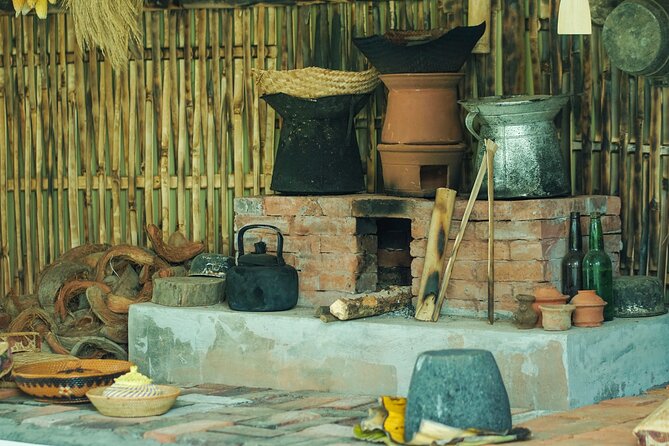
Once you arrive at the mountain village, you start with a leisurely walk. It’s not presented like a speed-hike; it’s more about orientation. You’ll start with an introduction to the Rindik, a traditional Balinese instrument. That matters because it gives you a cultural anchor before the food-focused parts of the day take over.
From there, the tour leans into gentle observation: walking through village pathways, seeing daily spaces, and learning what’s where. You’ll later visit a traditional house to learn about Asta Kosala architecture, which is influenced by Balinese Feng Shui. So this first stretch sets you up to understand what you’re looking at later.
One thing I appreciate about this structure is that it avoids the “food only” approach. A cooking class is great, but it can feel shallow if it’s detached from local life. Starting with something like the Rindik nudges the day into a more cultural mode, even if you end up focusing mainly on the kitchen.
If you’re picky about attention span, you’ll likely enjoy this pacing. It gives you time to adjust from travel mode into village mode.
Herb and spice garden tour: where your jamu ingredients get names
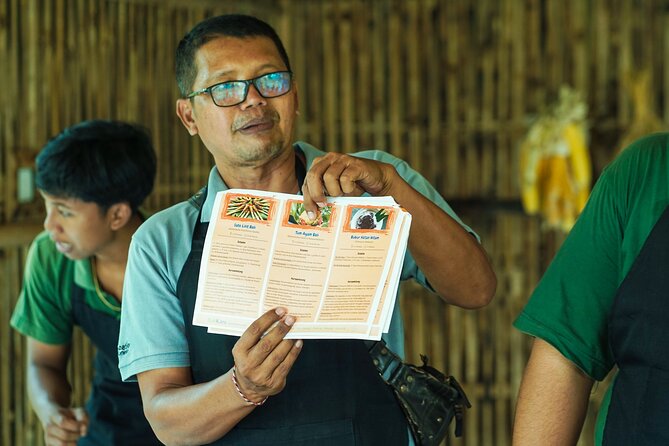
The guided herb & spice garden tour is one of the best parts of the day because it’s specific. You’ll tour a garden with over 40 varieties of plants. This is where you start learning the logic of jamu: herbal tonics aren’t random mixes; they come from plants grown and chosen locally.
This part is also visually rewarding in a “hands-on classroom” way. You’re not just seeing herbs—you’re guided through them. You can expect plenty of explanation about what’s used and how the garden environment supports the ingredients.
For me, the value here is practical knowledge. After you’ve heard which plants matter, the next step (the jamu pavilion) makes more sense. You’ll taste what you helped craft, and the flavors won’t feel mysterious. Even if you don’t remember every single name, you’ll come away with a mental map: what’s herbal, what’s warming, what tends to be bitter, and how those qualities show up in the drink.
You’ll also see the broader pattern of the day: education through doing. You learn in the garden, then you apply it right away at the pavilion.
Jamu Pavilion: making and tasting two herbal tonics
At the Jamu Pavilion, you craft and taste two types of jamu. This is the heart of the Pure Bali identity: many Bali cooking tours focus on food, but jamu is a Bali-specific wellness tradition that’s often missed.
What you get from this isn’t just a sip. You’re learning how jamu is produced and then tasting the results. That makes it memorable. Jamu is one of those things you can easily buy later—but if you learn the process here, you can understand what you’re tasting back home.
A tip for getting more out of this segment: pay attention to texture and aroma, not only flavor. Jamu often has strong herbal notes, and knowing the scent profile helps you connect it to the garden plants you saw earlier.
You’ll also have fruit tasting as part of the jamu production experience. That helps balance the day and keeps the tasting approachable, especially if herbal drinks aren’t your default preference.



Paon Bali cooking class: Sate Lilit on the live bamboo grill and Lak Lak dessert
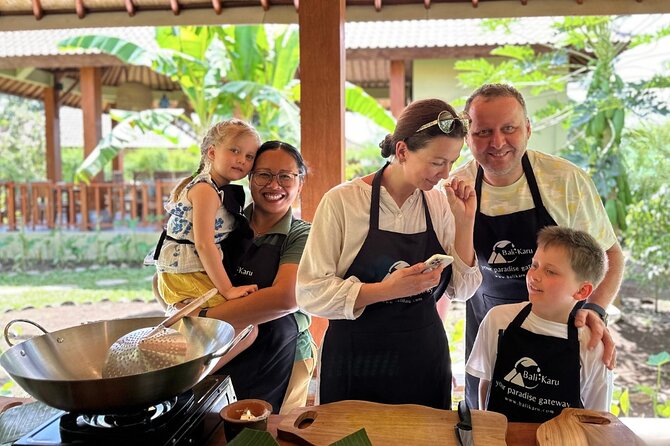
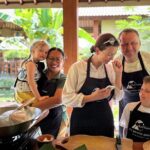
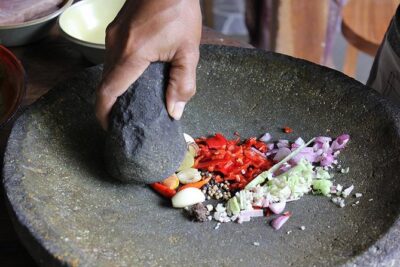
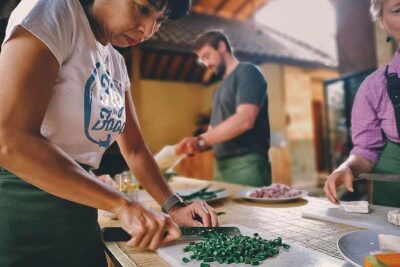
Now for the fun part: the cooking happens in Paon Bali, described as an open-air Bali kitchen. You’ll cook an authentic Balinese meal with a chef guiding you through the process. And you’ll do it alongside others in the small group, which keeps the work moving and the atmosphere lively.
Two standout techniques you’ll likely remember:
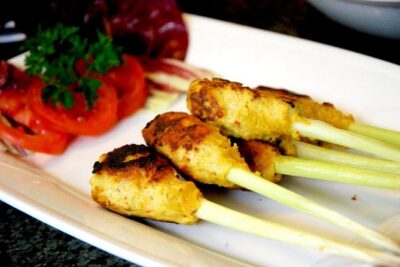
- Sate Lilit at the live bamboo grill station
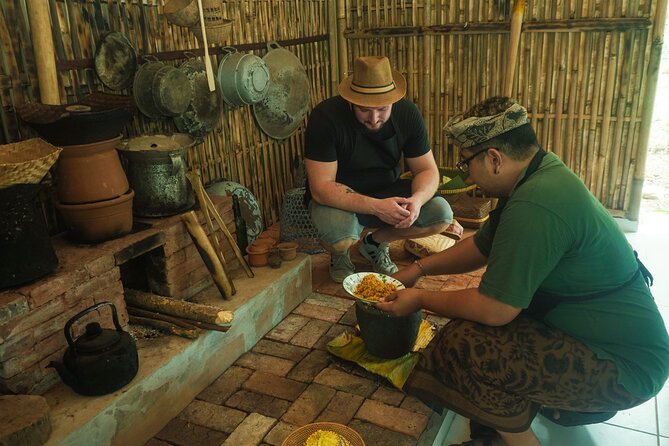
- Lak Lak dessert made using a traditional clay pot
Sate Lilit is one of those dishes that’s hard to replicate unless you understand the method. The “live bamboo grill” setting also keeps things real—smoke, heat, and timing are part of the cooking experience. You learn by doing, not by watching someone else handle the hard parts.
For dessert, Lak Lak is a great choice because it highlights Balinese methods and tools. Clay pots can change how food cooks and sets, and you’ll learn the traditional way rather than a simplified version.
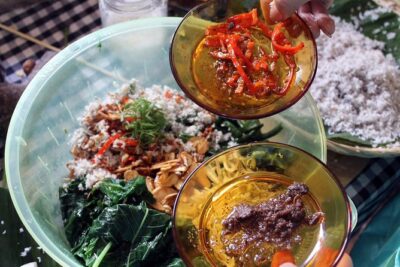
Lunch is included: Nasi Campur Tumping plus dessert cooked by you. That’s a solid deal because you’re not just paying for instruction—you’re eating what you worked on.
One practical note: since this is an active cooking segment, wear something comfortable and easy to move in. You’ll be standing, mixing, and cooking, so your outfit matters more than you think.
Rice planting help, Balikaru farm animals, and stingless Trigona beehives
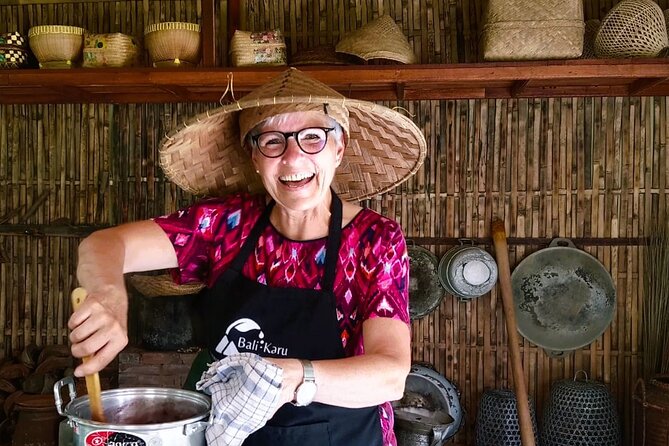
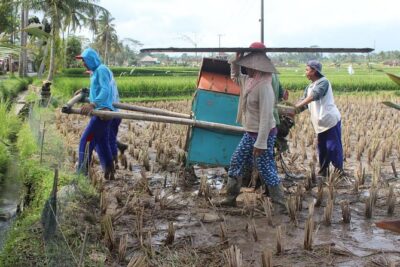
After lunch, you get to help the farmer with planting rice. This isn’t a pretend photo moment. The day is designed to let you put your hands into the work, so expect a “try it for yourself” experience.
Then you head to the Balikaru farm with animals and stingless Trigona beehives. Stingless bees are fascinating because the idea sounds like a marketing hook until you see how they fit into the local ecosystem and beekeeping practices. You’ll also have time around farm animals, and the day description suggests you may even have a chance to feed a cow.
There’s also a soft trekking segment of about 30 minutes downhill. That’s not extreme, but it’s enough that your legs will notice it. If you have knee issues or you just don’t like slopes, you might want to pace yourself and take your time on the downhill portion.
What I like about this part of the day is that it rounds out the earlier “food and herbs” theme. It connects ingredients to where they come from. Rice planting makes the meals feel less like a restaurant plate and more like the end result of months of village work.
Asta Kosala house visit and Belulang hot spring reset
Later, you stroll through the village with mountain views and chat with locals. You’ll also visit an authentic Balinese compound and a traditional house to learn about Asta Kosala architecture, influenced by Balinese Feng Shui. This is a nice change from the kitchen because it shifts you into a more spiritual and architectural understanding of everyday life.
The final stop is the Belulang hot spring, which is listed as optional to bathe. Even if you skip the water part, the hot spring area is a calm way to end a hands-on day. Think of it as a decompression buffer: cooking work, planting rice, and trekking all take energy, and the springs are a natural place to slow down.
Some participants have mentioned a spiritual purification ceremony in connection with the spring experience. The only safe way to plan is to keep your schedule flexible and let your guide explain what’s offered on the day you go.
If you do bathe, bring a plan for your towel and dry clothes. The tour data doesn’t specify what you’ll need, so it’s smart to come prepared.
Price and value: is $89 for an 8-hour small-group cooking and jamu day worth it?
At $89 per person, this sits in the mid-range for Bali day tours, but it earns its keep in three ways.
First, the inclusions are broad. You’re getting an air-conditioned vehicle, hotel pickup and drop-off, a herb garden tour (40+ plant varieties), jamu production and tasting, a chef-led cooking class, and lunch plus dessert. You’re also getting cultural stops, rice planting help, farm time with stingless bees, and a hot spring visit.
Second, the small group size (max 12) improves the learning and the hands-on aspect. A big-group tour can turn cooking into passive watching. Here, you’re more likely to actually do the work—especially at stations like the bamboo grill and in the jamu pavilion.
Third, you’re not just eating; you’re learning. Jamu and Balinese cooking are both skills you can potentially reuse at home, and the tour includes a personal cooking class certificate by email after the tour. It’s a small thing, but it’s proof that you participated, not just sampled.
What you should mentally budget for:
- tips
- drinks
- personal expenses
If you’re trying to choose between a cooking class alone and a full cultural day, this one is usually the better fit because it gives you context around the food.
Who should book Pure Bali Village Experience (and who should skip it)
This tour is a strong match if you want:
- a Bali cooking class with real participation at the grill and in the clay-pot dessert step
- a jamu-focused experience (not just a generic herbal stop)
- a full day that includes village life, a short trek, and farm animals
- hotel pickup without negotiating transport
You might want to consider skipping or choosing a lighter option if:
- you don’t like walking downhill or you need a very low-effort itinerary
- you want purely scenic sightseeing with minimal hands-on tasks
Language-wise, the guide is English- or German-speaking. If you’re booking with a different language preference, there’s a surcharge for other languages. The day will go smoother if you can follow your guide’s language.
Dietary needs can be accommodated, including vegetarian, if you indicate your requirements when booking. That’s a big plus for food-focused tours.
Should you book this Bali cooking and jamu village day?
I think you should book if your idea of a good Bali day is: learn something specific, cook with your hands, and end with a calmer moment at the hot spring. The combination of jamu making, chef-led Balinese cooking, and the village-and-farm context is what makes this one feel more complete than typical food tours.
Skip it if you want a lazy, sit-behind-the-scenes afternoon. This is hands-on and active, and it expects you to participate.
If you’re coming to Bali for more than just temples and selfies, this is one of the better ways to spend a day—especially in the Batukaru mountain region where the day’s pace matches village life.
FAQ
How long is the Pure Bali Village Experience?
It runs for about 8 hours.
What time does pickup start?
The tour start time is 7:30am.
Is hotel pickup and drop-off included?
Yes, pickup is offered and the day includes hotel pickup and drop-off.
How big is the group?
The experience has a maximum of 12 travelers, keeping it small-group.
What languages are available for the guide?
The guide is English- or German-speaking. Other languages are available with a surcharge.
Is vegetarian food available?
Yes. The tour can accommodate dietary needs such as vegetarian if you note it during booking.
What’s included in the cooking and jamu experience?
You’ll get a guided herb & spice garden tour, make and taste two types of jamu, and take part in a chef-led cooking class at Paon Bali, including lunch and dessert.
Do I have to bathe in the hot spring?
No. Visiting the Belulang hot spring is included, and the bath is optional.
What’s not included in the price?
Tips, drinks, and personal expenses are not included.
More Bali Reviews & Picks

Still deciding? More Bali days reviewed, from volcano sunrises to island crossings




Farm & Village Cooking Classes, compared.
 ★ 5.0Ubud Cooking Class Bali with Balinese ChefFrom $351,609 reviews
 ★ 5.0PRIVATE Authentic Balinese Cooking Class in Ubud at Putu’s HomeFrom $75644 reviews
 ★ 5.0Balinese Ubud cooking school (9 Dish Cooking and Market Tour)From $58540 reviews
 ★ 5.0Balinese Farm Cooking Class by Pemulan BaliFrom $39410 reviews
 ★ 5.0Balinese Cooking Class in SeminyakFrom $66281 reviews
 ★ 5.0Balinese Authentic Cooking Class in UbudFrom $39239 reviews
 ★ 5.0PRIVATE Balinese Cooking Class in Ubud with Dewa with TransfersFrom $69213 reviews
 ★ 5.0Balinese Cooking class with traditional morning market visitFrom $35161 reviews
Browse the lists this tour appears in