
Reviewed · EAST BALI: LEMPUYANG, AMED & SIDEMEN
Royal Karangasem Heritage Tour
East Bali has a royal secret. This day trip in the Karangasem region mixes royal history with photo-ready water palaces, plus convenient hotel pickup from the south Bali hot spots. You’ll spend about 8 hours seeing the key sites tied to a kingdom that once held serious power in Bali.
I like the pace because it’s built around real places—Puri Agung Karangasem, Ujung Water Palace, and Tirta Gangga—rather than a long string of random stops. I also appreciate the English-speaking licensed guide and the Sebetan village stop for snake fruit (salak) orchards; it adds a grounded, local feel. One consideration: the drive east can be long, and some parts of the day may feel more rushed than you’d like depending on the guide and road conditions.
In This Review
- Key Highlights You Should Know
- East Bali Royal Palaces: What This Tour Is Really About
- Pickup From South Bali: Timing, Travel Time, and Comfort
- Puri Agung Karangasem Palace: European Details Inside a Royal Setting
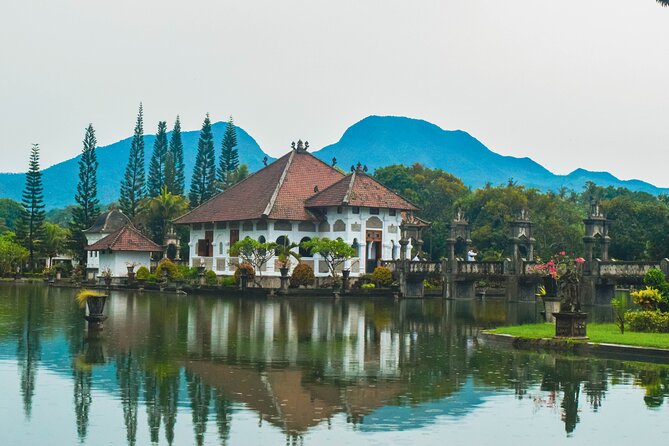
- Ujung Water Palace at Sukasada Park: Fishpond Calm and Mt. Agung Views
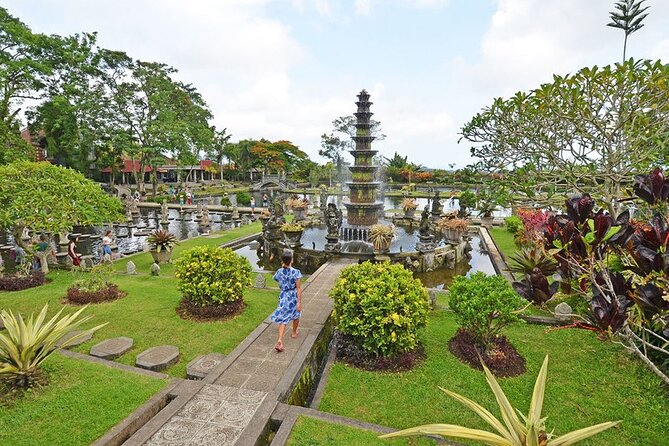
- Tirta Gangga Water Garden: Statues, Fountains, and the Best Photo Payoff
- Sebetan Village and Salak Orchards: The Local Side of Karangasem
- Lunch on Your Own: Plan for an In-Between Break
- Guides and Driver: The Real Difference Maker
- Price and Value: Does $69.24 Make Sense for This Day?
- Who This Tour Fits Best (and Who Might Want a Different Plan)
- Practical Tips to Make the Day Feel Easier
- Should You Book Royal Karangasem Heritage Tour?
- FAQ
- FAQ
- How long is the Royal Karangasem Heritage Tour?
- Where is pickup offered?
- How big is the group?
- What are the main stops on the tour?
- Is the tour guided?
- Are entrance fees included?
- Do I have to pay for lunch?
- What time does the tour start?
- What if weather is bad?
Key Highlights You Should Know
- Up to 15 travelers: small-group size helps the day feel more flexible.
- Tirta Gangga and Ujung Water Palace: two different water palaces that are both standout photo stops.
- Karangasem Palace (Puri Agung Karangasem): the royal base with a mix of Chinese, Balinese, and European influences.
- Sebetan salak orchards: a chance to connect the story to everyday local farming.
- 2-way transfers included: pickup and drop-off from major south Bali areas keeps logistics simple.
East Bali Royal Palaces: What This Tour Is Really About
This tour earns its name in a practical way. You’re not just ticking off temples. You’re stepping into the political and cultural world of Karangasem—especially how kings used architecture, water, and gardens to host guests and signal status.
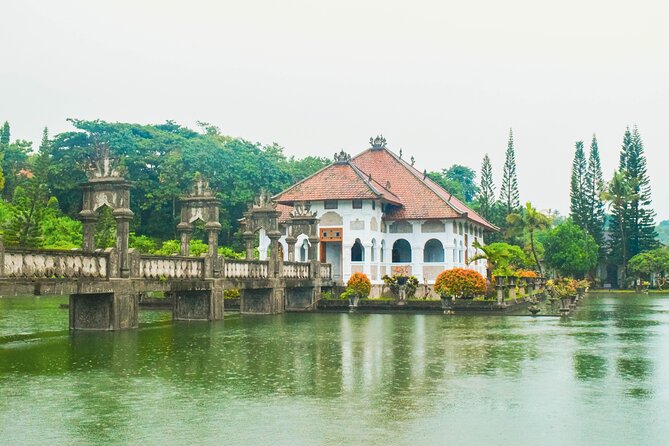
The best part is that the day is shaped around two water palaces that feel made for slow wandering and photos. Tirta Gangga gives you the fountains, statues, and bathing-pool vibe. Ujung Water Palace gives you a more reflective, park-like setting with a fishpond center—plus old-empire heritage buildings and a European-style flavor. Those contrast points make the day more interesting than a single-site outing.
And then there’s the human scale of it. You go from royal sites to Sebetan’s salak orchards, so you can see that east Bali wasn’t only palaces—it was also farming, daily life, and local food culture.
More of East Bali, from Lempuyang to Amed and Sidemen
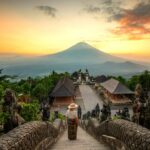
Pickup From South Bali: Timing, Travel Time, and Comfort
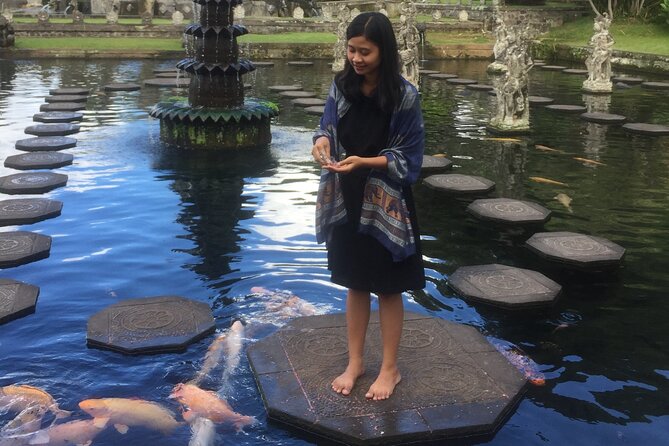
Most days start with a pickup around 9:00 am (tour start time listed) from central hotel areas in Kuta/Legian/Tuban and down through Sanur, Denpasar, Jimbaran, Tanjung Benoa, and Nusa Dua. The whole point of this structure is 2-way transfers, so you’re not spending your morning trying to solve transport.
Now for the reality check. Multiple reviews flag that the drive is long. Even when the driver is solid and the vehicle is air-conditioned, you still spend a chunk of time on the road. If you hate being in a car for hours, plan your day mentally: bring something to keep you comfortable and expect the scenery to be part of the experience, not a quick side note.
Good news: because it’s a small group (max 15), the day typically feels controlled. You’re less likely to be stuck waiting on a large crowd. You may also have more room to ask questions as you go—assuming your guide is up for it (more on that later).
Puri Agung Karangasem Palace: European Details Inside a Royal Setting
Your first major stop is Puri Agung Karangasem—a 19th-century palace complex built by Anak Agung Gede K. It’s the kind of place where you can’t just glance and move on. You need a bit of explanation to see what you’re looking at.
What makes this stop meaningful is the architectural mix tied to Karangasem’s relationships beyond Bali, including Dutch-era connections. The palace is described as a blend of Chinese, Balinese, and European influences. That mix matters because it tells you the kingdom wasn’t sealed off. It interacted, traded ideas, and borrowed styles—then made them its own.
Photo tip (simple, but useful): the palace grounds are best when you slow down and look for how colors, carvings, and building shapes frame the views around the complex. If you move through like it’s a checklist, you’ll miss the details that make it worth more than a quick walk.
One note based on the feedback patterns: some people felt Puri Agung was less impressive than the water palaces. That doesn’t mean it’s bad. It just means it may not hit as hard visually unless your guide gives you enough story. If you care about context, ask your guide a couple pointed questions early—so you get the most out of the palace stop rather than watching it pass by.
Ujung Water Palace at Sukasada Park: Fishpond Calm and Mt. Agung Views
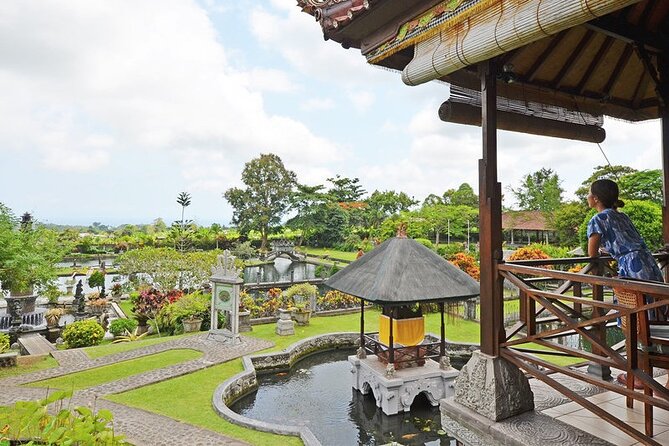
Next up is Ujung Water Palace (Taman Sukasada Ujung) in Sukasada Park. This is where the tour shifts into something quieter and more scenic. The palace sits amid a fishpond with tropical fish, and you get a European-style design influence that you can actually see in the way the buildings and layout feel.
This stop is also about purpose. The tour story frames Ujung Water Palace as a place where the king could relax and host dignitaries and guests. You get memorabilia mentioned too, which adds a layer beyond “pretty buildings”—even if you don’t read every plaque, the point is that this was a stage for status and conversation.
The views matter here. One of the highlights mentioned is the picturesque structure against the backdrop of Mt. Agung. That makes Ujung feel like a “pause here” moment rather than a “walk past quickly” stop.
If you want photos, go slow. Stand, reframe, then walk a few steps and do it again. Water palaces can be very photogenic because light hits differently across the pool and pathways. With the amount of time you typically get at each stop, you’ll want to use it like a photographer, not like a commuter.
Tirta Gangga Water Garden: Statues, Fountains, and the Best Photo Payoff
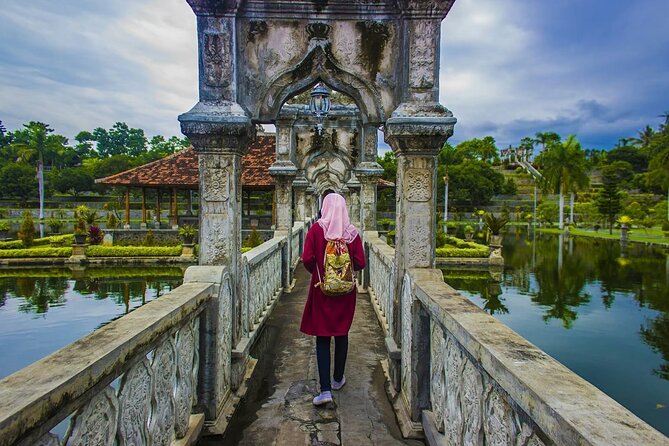
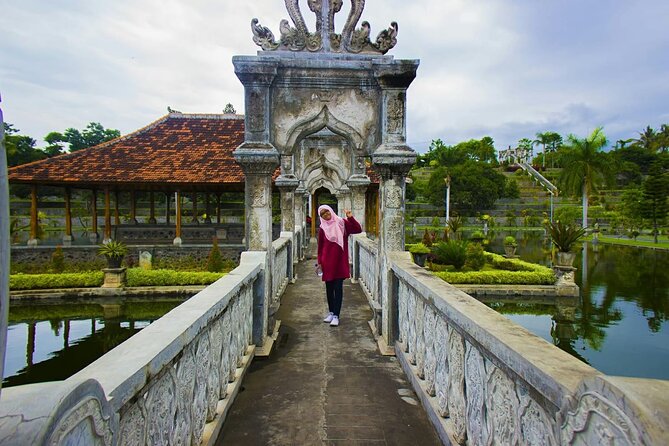
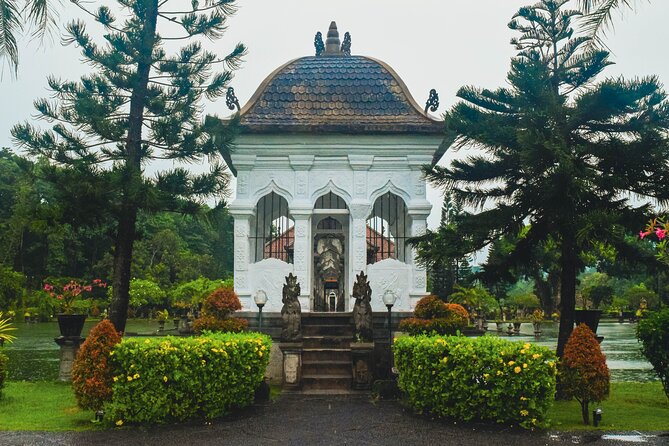
Tirta Gangga is the star for many people, and it’s easy to see why. This water garden was constructed by a Karangasem king in 1948, and the layout is built around fountains, statues, bathing pools, and pavilions.
The setting also has drama. Reviews and the tour description emphasize incredible scenery and a structure that’s visually strong even when you’re standing at a distance. Up close, the water features give you more depth—ripples, reflections, and angles through arches and steps.
This is the stop where I’d prioritize your time and energy. If you feel tired, freshen up your camera settings and slow down anyway. Tirta Gangga is the kind of place that becomes more interesting the longer you look. You’ll get that “wow” effect that people often miss when they treat it like a 10-minute stop.
More of Bali heritage and history

Sebetan Village and Salak Orchards: The Local Side of Karangasem
Between the water palaces and lunch, you visit Sebetan village, known for its cultivation of salak—snake fruit with scaly, reddish-brown skin. This part of the day is valuable because it connects the royal architecture to what the region actually produced and depended on.
Even if you’re not buying anything, seeing orchards helps you understand why this tour works as a heritage experience instead of just a photo safari. It gives you a more complete picture of Karangasem as a kingdom that existed alongside ordinary farming life.
Also, this is a good place to pay attention to your guide’s explanations. The palace and water palaces explain power. Sebetan can explain practicality: agriculture, local food, and land use. That balance makes the day more satisfying.
Lunch on Your Own: Plan for an In-Between Break
Lunch is a separate stop at a local eatery with Indonesian fare served at your own expense. The tour’s structure gives you time for a meal before the final water garden.
A heads-up from the pattern of feedback: lunch choices can be hit or miss. Some people loved the views from the restaurant and said the meal was very good. Others called the food ordinary or overpriced.
So, here’s the smart approach: treat lunch as a chance to refuel, not as the highlight. If you’re hungry, you’ll likely be fine. If you’re picky, check the menu options and go with what’s clearly popular and fresh.
Guides and Driver: The Real Difference Maker
This tour lives or dies on the guide’s ability to explain what you’re seeing. The good news is that the tour includes an English-speaking licensed guide, and many reviews highlight guides who were friendly, chatty, and genuinely willing to answer questions.
Several guide names show up in the feedback: Mr. Wayan, Radi, Windra, Putra, and Vyas. People repeatedly mention that these guides helped make the day flow without boredom—and that some were especially strong at explaining culture and traditions, not just reciting facts.
But there’s also a caution from the reviews: English ability and how much history you get can vary. If your guide seems less confident, rely on the site explanations you’re given and ask for the “one big idea” about each stop. A simple question like What is the relationship between this water garden and royal power? can get you more than a rushed walkthrough.
Price and Value: Does $69.24 Make Sense for This Day?
At $69.24 per person, you’re paying for a full-day structure: pickup and drop-off from central south Bali areas, English-speaking licensed guiding, and admission tickets for the main palace and water-garden stops.
Here’s why the price can feel fair: you avoid managing transport across east Bali on your own. You also get a guided context piece. Without a guide, Karangasem palaces and water gardens can look pretty—but you’d be missing why they matter.
That said, you’re also paying for time in the car. If you’re price-sensitive and you can easily arrange a private driver, you might compare costs. Still, the small-group setup (up to 15) is what you’re really buying: shared cost, shared schedule, and a guide who can connect the dots.
My practical take: if your priority is Karangasem specifically—rather than Bali temples in general—this price is a reasonable deal for a single organized day.
Who This Tour Fits Best (and Who Might Want a Different Plan)
This is a good match if you:
- Want east Bali royal history without juggling tickets, rides, and timing.
- Care about architecture and gardens with stories behind them.
- Love photos, especially at Tirta Gangga and Ujung.
- Enjoy a small group where you can ask questions and take your time.
It may not be your best choice if you:
- Hate long drives and want minimal time on the road.
- Expect every single stop to be equally impressive visually.
- Get annoyed if the day includes shopping-style stops. Some reviews mention the day felt rushed through certain parts or had pressure toward purchases. That’s guide-dependent, but it’s worth being aware.
Practical Tips to Make the Day Feel Easier
A few small habits will help you enjoy the whole 8-hour rhythm:
- Bring comfortable shoes for palace and garden paths, which can include steps and slick surfaces near water.
- Plan for a photo schedule, not a “walk and hope” schedule. Your best shots at the water palaces take a little time.
- Ask questions early—especially at Puri Agung—so you don’t feel like you missed the story.
- Use lunch strategically. If the meal is average, at least you’ll be fueled for Tirta Gangga, which tends to deliver the strongest payoff.
Should You Book Royal Karangasem Heritage Tour?
I’d book it if you want a structured day that mixes royal palaces, two water-garden highlights, and a real village agriculture stop—all with pickup and drop-off that keeps your day simple.
I’d think twice if you’re the type who wants zero long driving and zero uncertainty about guide storytelling. In that case, compare how important Tirta Gangga and Ujung are to your trip goals versus the time cost of reaching east Bali.
FAQ
FAQ
How long is the Royal Karangasem Heritage Tour?
The tour is listed as about 8 hours.
Where is pickup offered?
Pickup is offered from major hotel areas in places like Kuta, Legian, Tuban, Sanur, Denpasar, Jimbaran, Tanjung Benoa, and Nusa Dua (central south Bali hot spots). Other areas may have additional charges.
How big is the group?
The tour has a maximum of 15 travelers.
What are the main stops on the tour?
Key stops include Puri Agung Karangasem (Karangasem Palace), Ujung Water Palace (Taman Sukasada Ujung), Tirta Gangga Water Garden, and a visit to Sebetan village for salak orchards.
Is the tour guided?
Yes. It includes an English-speaking licensed guide.
Are entrance fees included?
Admission tickets are included for the stops listed in the experience details (including the palace and water palace sites). Confirmation is provided at booking time.
Do I have to pay for lunch?
Yes. Food and drinks are not included, and there’s a lunch stop at a local restaurant at your own expense.
What time does the tour start?
The start time is listed as 9:00 am.
What if weather is bad?
The tour requires good weather. If it’s canceled due to poor weather, you’ll be offered a different date or a full refund.
More Bali Tour Picks


More Bali Reviews & Picks

More of East Bali
Still deciding? More Bali days reviewed, from volcano sunrises to island crossings







East Bali: Lempuyang, Amed & Sidemen, compared.
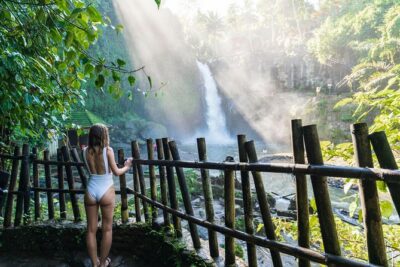 ★ 5.0Best of Bali Waterfalls: Tibumana, Tukad Cepung and TegenunganFrom $533,047 reviews
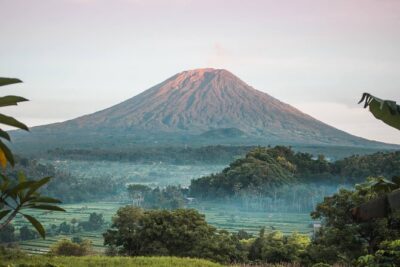 ★ 5.0East Bali Tour: Gate of Heaven, Water Palace, Sleeping GajahFrom $1001,726 reviews
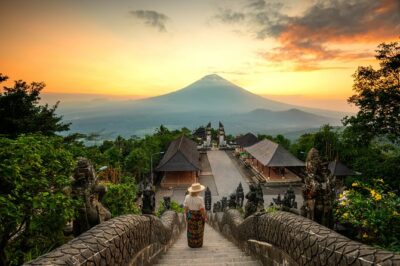 ★ 5.0Bali Instagram: Gate of Heaven Temple TourFrom $85737 reviews
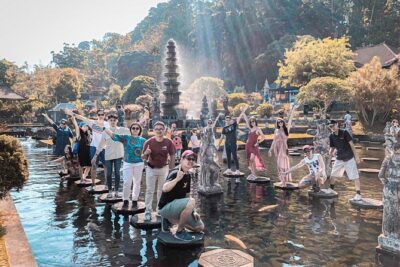 ★ 5.0Bali Instagram Tour – Lempuyang Bali Gate of HeavenFrom $69149 reviews
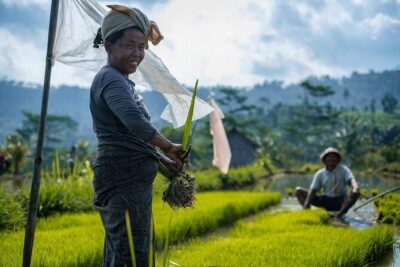 ★ 5.0Sidemen Trekking: A Walk from a Different PerspectiveFrom $1394 reviews
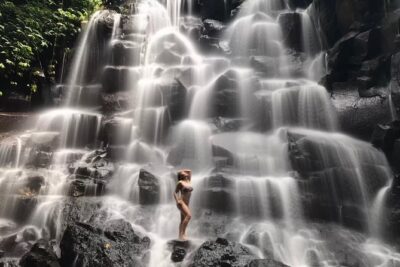 ★ 5.0Bali Waterfalls in One Day: Tukad Cepung, 2 Hidden Waterfall, Kanto LampoFrom $4481 reviews
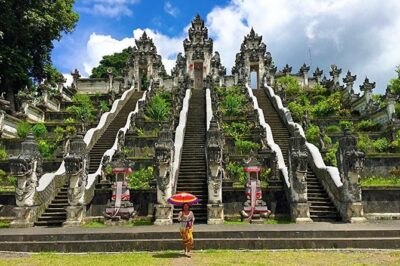 ★ 5.0East Bali Tour: Lempuyang Temple – Gate of Heaven, Tirta Gangga, Virgin BeachFrom $4367 reviews
 ★ 5.0Private Full-Day Lempuyang Gate of Heaven TourFrom $4967 reviews
Browse the lists this tour appears in