
Reviewed · NUSA PENIDA ISLAND HOPPING
Snorkeling Manta Ray in Nusa Lembongan
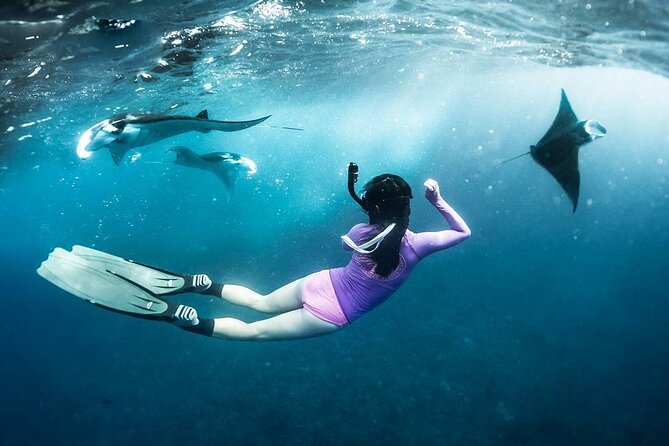
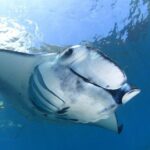
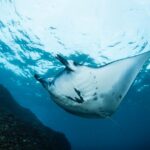
Manta rays are the headline here. This quick Nusa Lembongan snorkeling trip is built for a real in-water encounter, with reef fish and stops that can shift based on wind and current. I especially like that snorkeling equipment is included and that you typically get an in-water guide to help you make the most of your swim. One possible drawback: the experience can feel crowded, and animal-handling behavior has been questioned, so it helps to choose your moment and set expectations with the crew.
In terms of value, this is a fairly affordable way to target manta rays, but you’ll need to handle your own way to the meeting point because hotel pickup isn’t included. You’ll also want to be ready for the tour to move between Manta Bay, Crystal Bay, Gamat Bay, and Wall Point depending on conditions. If strong currents or waves roll in, your itinerary and even the date may change.
In This Review
- Key highlights to know before you go
- Manta ray snorkeling in Nusa Lembongan: what you’re signing up for
- Getting to Warung Tiko’s: the meeting point that matters
- Group size and pacing: why the small cap can help
- Snorkeling gear included: what to do before you step in
- The weather decides the stops: Manta Bay, Crystal Bay, Gamat Bay, Wall Point
- In-water guidance and skipper skill: how manta sightings get better
- The big wow, and the real watch-out: wildlife ethics and crowding
- Price and value: is $23.66 worth it?
- Who should book this manta ray snorkeling, and who should skip
- Quick practical notes you’ll thank yourself for
- FAQ
- What time does the snorkeling start?
- How long is the manta ray snorkeling experience?
- Where do we meet for the tour?
- Do I need hotel pickup?
- Is snorkeling equipment included?
- How many people are on the tour?
- What areas might we snorkel in?
- Do I need special swimming skills?
- What happens if the weather is poor?
- Should you book manta ray snorkeling near Nusa Lembongan?
Key highlights to know before you go
- Manta Bay and other hot spots are weather-driven so the route can shift to safer spots
- Equipment is included, which saves you from packing or renting gear
- Small group size (max 15) helps the guide keep an eye on everyone in the water
- In-water guidance is part of the setup, and experienced skippers aim for manta sightings
- Wildlife ethics vary, so you’ll want to watch crew behavior and how boats position themselves
Manta ray snorkeling in Nusa Lembongan: what you’re signing up for
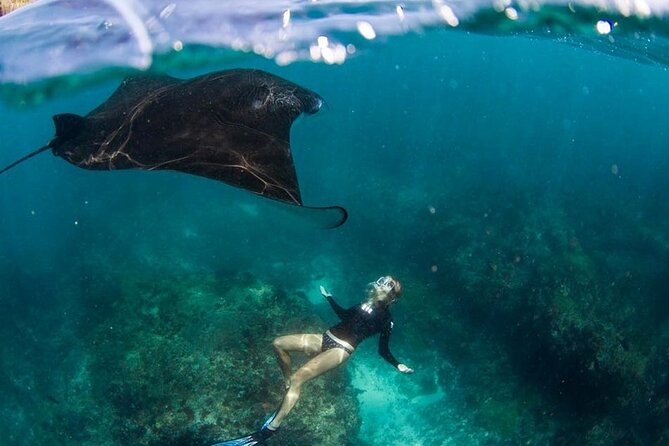
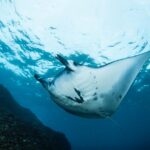
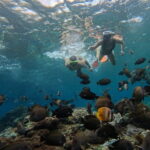
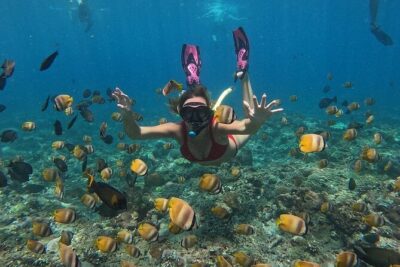
This is a 2-hour snorkeling experience focused on seeing manta rays while also enjoying reef fish along the way. The idea is simple: you get on the water early, gear up, and head to a set of known snorkeling areas near Nusa Lembongan where manta rays may appear.
You do not need scuba skills or anything fancy. The basic snorkeling setup is the main requirement, and most people can take part. The tour’s promise is not just pretty water. It’s about timing and location, since manta rays tend to show up where conditions and food sources line up. Your job as the swimmer is to stay relaxed, keep your breathing steady, and follow the guide’s cues.
Also, this is not framed as a long island tour. It’s a focused block of time, and that’s part of the value. You spend your morning aiming for a memorable manta encounter instead of spending hours hopping around.
More island days across Nusa Penida and the Nusa islands
Getting to Warung Tiko’s: the meeting point that matters
You meet at Warung Tiko’s on the named access road in Jungutbatu, with the plus code 8F42+Q62. The activity starts at 8:00 am, and it ends back at the meeting point.
Because there’s no hotel pickup, the biggest practical risk is arriving late or getting turned around. Nusa Lembongan can be confusing the first time, especially if you’re using a driver who isn’t familiar with the exact pin on a map. I’d treat this like a “show up early and be visible” situation.
My practical tip: get there a bit before 8:00, not right at 8:00. Stand near the most obvious boat/crew area and be ready to show your booking confirmation if asked. If you’re coordinating with a friend or driver, confirm the meeting point name and plus code in advance.
Group size and pacing: why the small cap can help
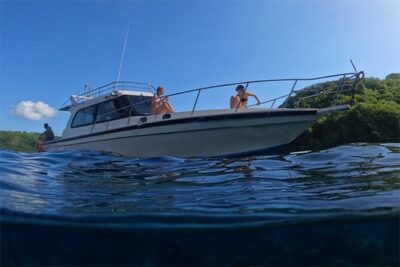
The tour caps at 15 travelers. That matters because manta-ray snorkeling is all about spacing. If the group is too big, everyone’s trying to get set at the same time, and you end up with jumbled positioning when rays appear.
With a smaller group, I expect the crew can do a cleaner job managing entry and helping people stay safe in the water. It also tends to make it easier for an in-water guide to keep eyes on you, especially if you’re not an ultra-confident swimmer.
That said, even with 15 people, you can still end up in a spot where you share the ocean with other boats. That’s not always avoidable, and it’s worth thinking about if wildlife comfort is a top priority for you.
Snorkeling gear included: what to do before you step in
You get snorkeling equipment included. That usually covers the mask and snorkel and helps you travel lighter. It also reduces the chance of showing up with gear that doesn’t fit well, which can be a deal-breaker in calmer snorkeling situations.
What I’d still plan to bring or prepare:
- A waterproof layer for your phone or camera (if you use one)
- Sun protection (water time can be surprisingly bright even with a breeze)
- Quick-dry clothing for after the swim
- A comfortable way to handle wet gear on return
Since the tour is only about two hours total, you won’t have much downtime to scramble for missing items. If you’re wearing contact lenses, think about whether you’re comfortable with saltwater. And if you’re sensitive to sun, consider a hat or rashguard.
The weather decides the stops: Manta Bay, Crystal Bay, Gamat Bay, Wall Point
The itinerary is flexible. Depending on waves or strong currents, the crew picks 3–4 hot spots from a short list. The named areas can include:
- Manta Bay
- Crystal Bay Beach
- Gamat Bay
- Wall Point
Here’s how to think about that from a rider’s perspective. If currents are stronger, they’ll likely choose spots that give you a safer, easier swim. If the sea is choppy, you might still snorkel, but the crew will try to reduce the hassle of fighting waves while you’re trying to keep your head up and watch the water.
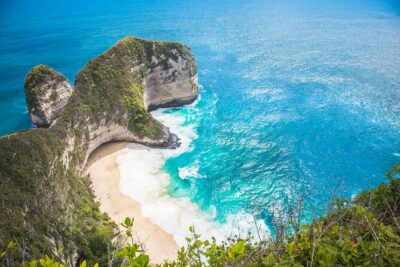
Manta Bay is the obvious “headline” name for a manta-focused trip, so it’s the one you’ll hope for. Crystal Bay Beach and Gamat Bay are also on the list, likely used as alternatives when conditions shift. Wall Point is another option the operator may use when they’re searching for a better combination of visibility and manageable water movement.
In practice, this means your experience is part nature show, part weather management. You’ll get a better day if you go in with the mindset that the route is not fixed, and that the crew is trying to keep the swim enjoyable rather than risky.
More snorkelling with mantas and the reefs off the coast
In-water guidance and skipper skill: how manta sightings get better
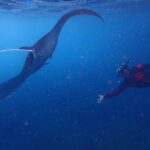
One of the consistent strengths of this style of tour is that the guides and skippers aren’t just dropping you in. The setup includes in-water guidance, and multiple operators mentioned by name are known for working hard to help people see manta rays and other marine life.
Operators like Newman F1, and crews referred to as Captain Coconut and Yogi Bear, show up in feedback as teams that:
- keep an eye on when rays approach
- adjust the plan when more animals appear
- help swimmers stay oriented so you’re not spending the whole time searching blindly
Why that matters: manta rays can show up fast, and if you’re not calm or if you lose your bearings, you might miss the exact moment you want. A guide helps you read the water and line up for a smoother, more rewarding swim.
If you want the best chance at a great encounter, stay close when the guide signals. Don’t wander off “because you want the ray at a different angle.” The whole point is timing and position.
The big wow, and the real watch-out: wildlife ethics and crowding
Manta rays are incredible. Reef fish can be fun, too. But this experience comes with a serious side conversation about animal welfare and how the boats and humans behave around wildlife.
Some feedback highlights two issues:
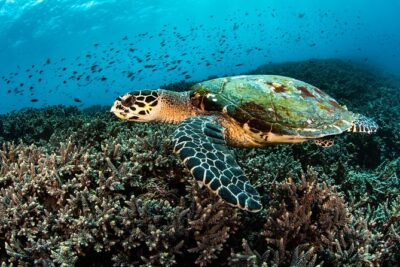
1) Wildlife handling behavior that crossed a line, such as touching a turtle.
2) Crowding and boat proximity, where it can feel like animals are treated more like attractions than living wildlife.
To keep yourself on the safer, more ethical side of the experience, you can do a few things:
- Watch for whether the guide encourages touching. If they do, that’s a red flag.
- Stay out of the animals’ paths and avoid sudden moves.
- If boats are extremely close, focus on observing from a respectful distance rather than trying to get a “closer photo” at any cost.
Could you still have an amazing manta encounter here? Yes. But if your personal line is animal welfare first, treat this as a “proceed thoughtfully” activity, not a hands-off guarantee. You’ll get the best day when the crew’s behavior matches your values.
Price and value: is $23.66 worth it?
At $23.66 per person, this isn’t a high-end luxury excursion. It’s a value-focused snorkeling outing built around a specific goal: manta ray sightings.
Here’s the value math that matters:
- Included: snorkeling equipment
- Not included: hotel pickup
- Time: about 2 hours
So you’re mostly paying for the water access, guide support, and the chance to hit the right conditions. The no-pickup part can change the real cost for you. If getting to the meeting point is easy for you, the price feels solid. If you need taxis or multiple rides, it can add up.
If you’re already staying near Jungutbatu or you’re comfortable arranging transport, the price feels more fair. If you’re far away and pickup is not available, I’d treat the total trip cost as a combined budget: tour fee plus getting yourself to the dock.
Who should book this manta ray snorkeling, and who should skip
This tour is a strong fit if:
- You want an early-morning, focused snorkeling session rather than a full-day plan
- You’re comfortable snorkeling and following a guide in the water
- You’re chasing manta rays and reef life as the main goal
- You like the idea of a small group (max 15)
You might want to skip or think hard first if:
- You’re very sensitive to wildlife interaction issues
- You dislike crowded boat situations and close human proximity to animals
- You’re not comfortable traveling to the meeting point on your own
Also, if you’re traveling with kids or someone new to snorkeling, the included equipment and in-water guidance can help. Just set expectations: it’s a short experience, and conditions can force changes.
Quick practical notes you’ll thank yourself for
- Bring your own plan for getting to the meeting point since pickup isn’t included.
- The start time is 8:00 am, so you want sleep and a simple breakfast routine.
- The route can change when waves or strong currents show up.
- The operator can cancel if conditions are unsafe or if minimum traveler requirements aren’t met, offering a different date or a full refund when weather causes cancellation.
FAQ
What time does the snorkeling start?
The tour starts at 8:00 am.
How long is the manta ray snorkeling experience?
It’s about 2 hours (approx.).
Where do we meet for the tour?
You meet at Warung Tiko’s on the unnamed road near the plus code 8F42+Q62 in Jungutbatu, Nusa Penida/Bali 80771.
Do I need hotel pickup?
No. Pick up from the hotel is not included, and you return back to the meeting point.
Is snorkeling equipment included?
Yes. Snorkeling equipment is included.
How many people are on the tour?
This activity has a maximum of 15 travelers.
What areas might we snorkel in?
Depending on waves or strong currents, you may visit 3–4 hot spots such as Manta Bay, Crystal Bay Beach, Gamat Bay, and Wall Point.
Do I need special swimming skills?
No. The overview says you don’t need special skills to join, though you still need to be able to snorkel.
What happens if the weather is poor?
The experience requires good weather. If it’s canceled due to poor weather, you’ll be offered a different date or a full refund.
Should you book manta ray snorkeling near Nusa Lembongan?
If manta rays are on your bucket list and you can get to the meeting point without stress, this is a good-value way to aim for them. I’d book if you’re comfortable snorkeling, happy to follow crew guidance, and okay with the fact that conditions can change where you swim.
I’d think twice if animal welfare and crowding are deal-breakers for you. The manta-riff fish payoff can be real, but you’ll want to keep a close eye on how the team interacts with wildlife and how boats position around animals.
More Bali Reviews & Picks
More Snorkelling & Manta Trips
More Nusa Penida & Island Hopping
Still deciding? More Bali days reviewed, from volcano sunrises to island crossings



Nusa Penida Island Hopping, compared.
 ★ 5.0️Nusa Penida by Private Boat – Snorkeling 4 spots, Swim with Mantas + Land TourFrom $1006,424 reviews
 ★ 5.0Nusa Penida day trip: boat, 4 snorkeling, Manta rays & Land tourFrom $782,033 reviews
 ★ 5.0Bali Nusa Penida West Private All-Inclusive TourFrom $801,277 reviews
 ★ 5.0Open Water Course in Nusa Lembongan – Get Certified on remote island (next Bali)From $461864 reviews
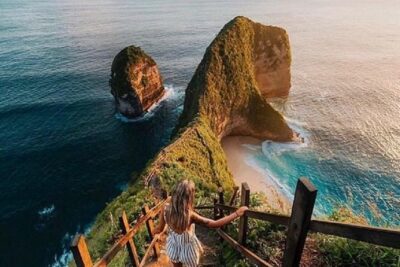 ★ 4.5Nusa Penida One Day Trip with All-inclusiveFrom $51743 reviews
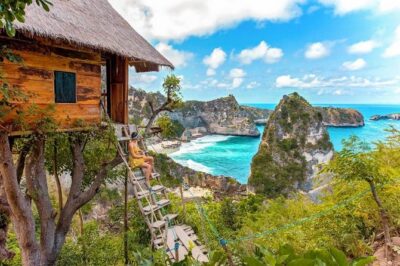 ★ 5.0️ Nusa Penida Instagram Tour: The Most Famous Spots (Private All-Inclusive)From $119538 reviews
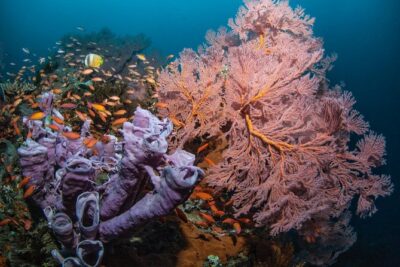 ★ 5.02 Days Discover Scuba Diving in Nusa Lembongan – Scuba InitiationFrom $151506 reviews
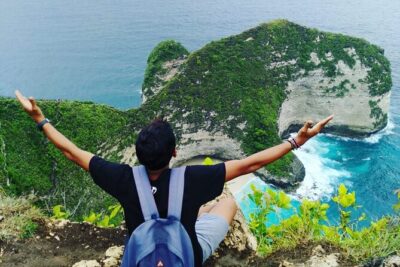 ★ 5.0Nusa Penida Island Beach Tours Private All InclusiveFrom $64447 reviews
Browse the lists this tour appears in