
Reviewed · UBUD, MONKEY FOREST & CAMPUHAN
Ubud: Barong Dance and Keris Cultural Dance Show Tickets
Masks fight good and evil tonight. This Ubud-area show puts you up close to the Barong and Rangda legend, with striking costumes, intense storytelling, and traditional gamelan music.
I love how the performance turns a simple theme into drama you can feel: good vs evil played out through two main characters and their followers. You’ll also get a show that’s clearly built for broad audiences, including families and all age groups.
One possible drawback: timing and check-in can be confusing if you rely only on the app message. Plan extra buffer time, have your e-voucher ready, and confirm your exact start time before you settle in.
In This Review
- Key things I’d plan around
- Batubulan Village, Barong Myth, and the Big Story You’ll Actually Need
- Tickets, Pickup, and Timing: the Part That Can Trip You Up
- What You’ll See on Stage: Barong vs Rangda, Music, Masks, and a Puppet-Style Moment
- Costumes and Musicians: Where the Show Earns Its Keep
- How Family-Friendly Is It, Really?
- Comfort and Practical Tips: Shoes, Seats, and What to Bring
- Language and Storytelling: You Might Follow the Plot, but You Won’t Catch Every Line
- Who Should Book This Barong Dance and Keris Cultural Show?
- Should You Book It?
- FAQ
- Where does the Barong Dance take place?
- How much is the ticket?
- How long is the show?
- What time does the Barong show start?
- Is pickup included?
- What do I need to bring, and what is not allowed?
- Is this activity refundable?
Key things I’d plan around
- Batubulan Village setting: the Barong Dance is performed daily at this well-known area
- Gamelan soundtrack: traditional instruments drive the emotion of the story
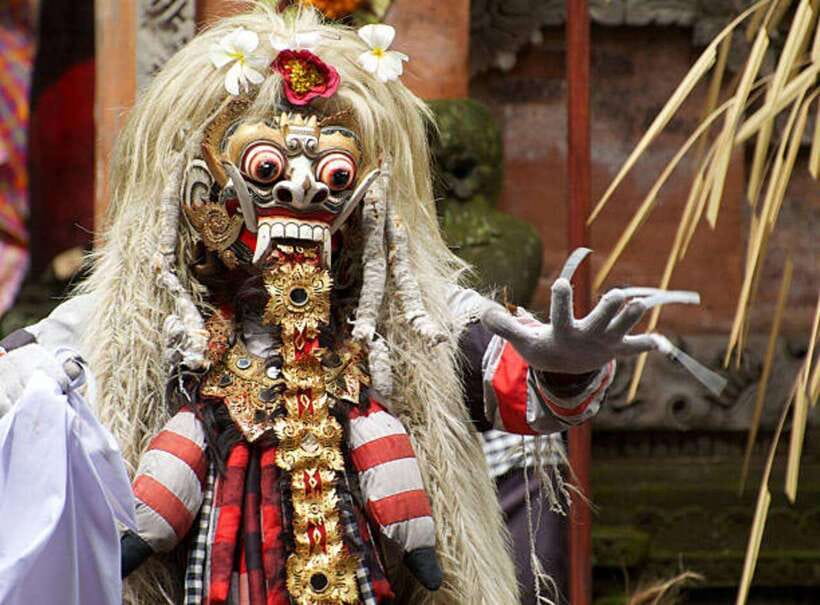
- Good-vs-evil characters: Barong represents protection and Rangda represents chaos
- You may see extra segments: a puppet-style moment can add length depending on your taste
- Seating can be hit-or-miss: some setups feel less comfortable than you’d want for a long sit
Batubulan Village, Barong Myth, and the Big Story You’ll Actually Need
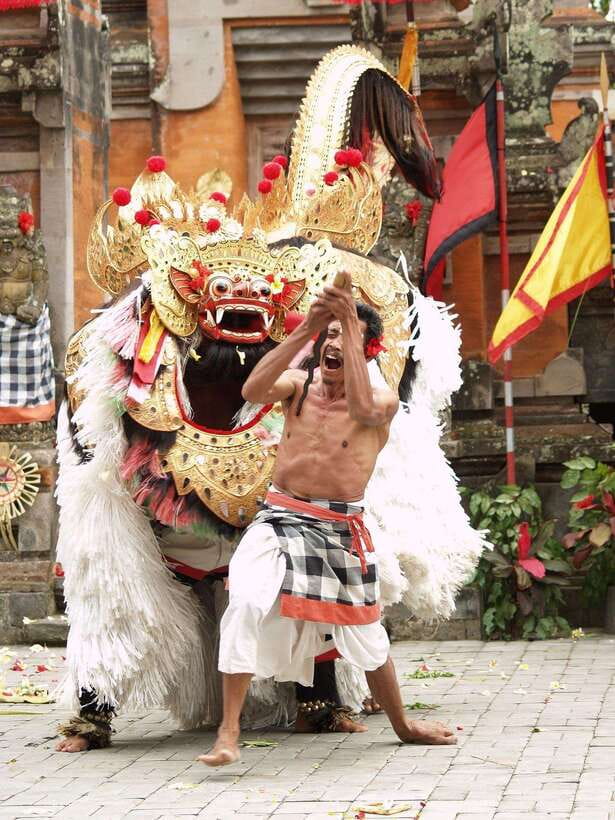
This experience is centered on Bali’s Barong tradition, performed at Batubulan Village. The core story is the eternal struggle between good and evil: Barong is the lion-like guardian figure, and Rangda is the witch queen tied to destruction and disorder. The show usually follows that conflict closely, so once you know who the characters are, the rest becomes easier to track.
If you’re going with kids or anyone who hates complicated plots, you’re in luck. Even when the fine details are hard to catch, the overall beats are clear. There are intense clashes, moments of fear and chaos, then rallies and resolution. That pattern matters because it lets you enjoy the artistry without needing to understand every word spoken from the stage.
More around Ubud, from the Monkey Forest to the Campuhan ridge



Tickets, Pickup, and Timing: the Part That Can Trip You Up
This ticket is very budget-friendly, listed at about $6 per person. For that price, you should expect a real cultural performance—not a private, perfectly scheduled, fully explained production. The value comes from the performance itself, especially the dancers and musicians.
The timing info you’ll see can vary based on your booking. One note says the Barong show starts at 9:30, and if you choose transfer pickup, the team picks you up at 8:30am. On other bookings, the show start time may be later in the day, including 7:30pm shown in past entries. So the practical move is: don’t assume one fixed start time—use the confirmation you receive and treat it as the source of truth for your specific date.
Pickup is optional. If you don’t select transfer, you’ll be told to exchange your e-voucher and pick up your ticket on-site. If you do select transfer, the private round transfer covers Ubud, Denpasar, and Sanur. For Kuta, Seminyak, and Nusa Dua, an extra 100,000 IDR cash is required.
Here’s my honest advice: build in a little extra time on arrival. Even when the performance runs as it should, ticket confirmations and check-in instructions can be inconsistent from device to device and from day to day. Have your voucher ready, know where you’re meant to collect tickets if needed, and don’t walk in at the last second.
What You’ll See on Stage: Barong vs Rangda, Music, Masks, and a Puppet-Style Moment
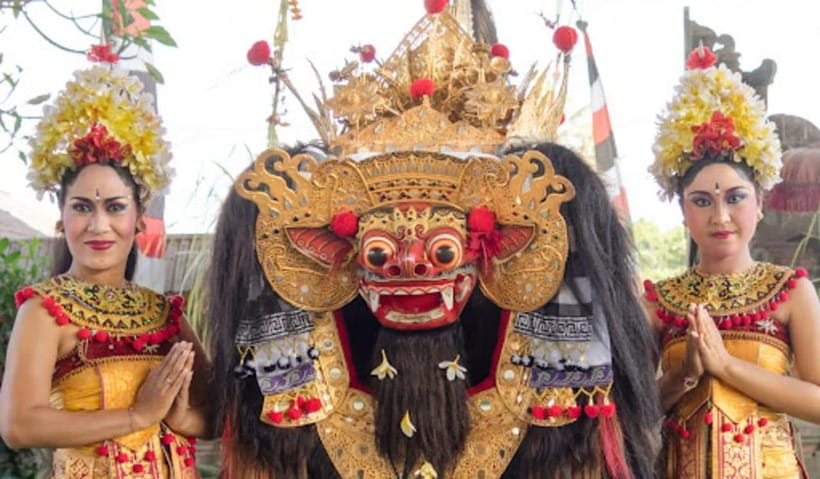
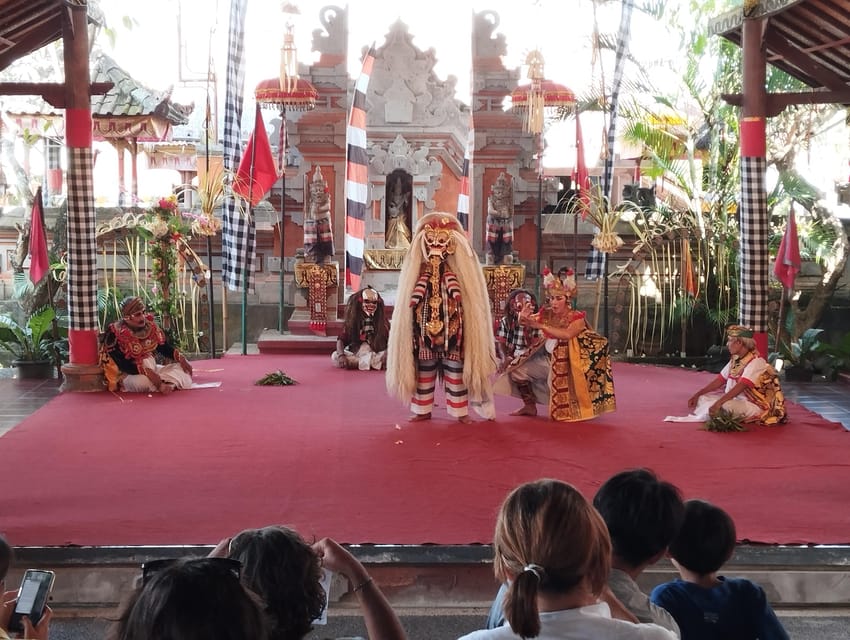
The heart of the show is the Barong & Rangda Dance. Dancers wear elaborate masks and costumes that communicate the story fast—Barong’s look leans into protection and power, while Rangda’s presence feels darker and more threatening. The choreography is built around group movement and dramatic gestures, so even if you miss some narration, your eyes keep getting pulled toward the next moment of conflict or victory.
Traditional gamelan music runs throughout and does more than provide background. The rhythms help cue intensity—when the story heats up, the music gets more forceful, and when the mood shifts, the tempo changes with it. In practice, that means the soundtrack helps you follow the drama without needing translations for every scene.
One thing that may show up during the program is an extra puppet-style segment. It can feel a bit long for some adults, but it also tends to land well with kids. If you’re traveling with children, this is often a good reset between the heavier parts of the mythology.
As for story clarity, the show is dramatic first, explanatory second. One person can love the spectacle and still say the storyline is hard to follow. If you want an easier time, do a 2-minute prep before you go: remember Barong = good/protection and Rangda = evil/chaos. Once you think of it as a recurring fight that never fully ends, you’ll understand why the ending matters even if the details blur.
Costumes and Musicians: Where the Show Earns Its Keep
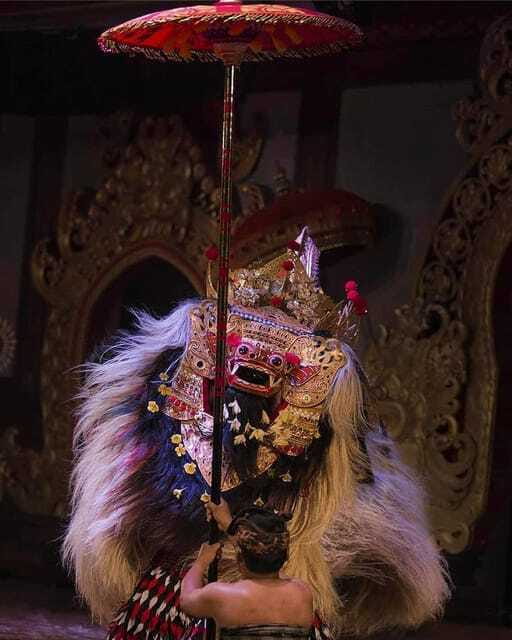
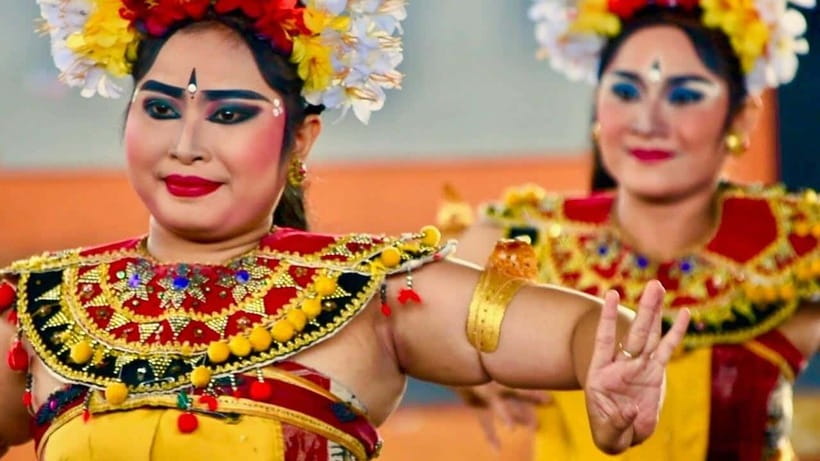
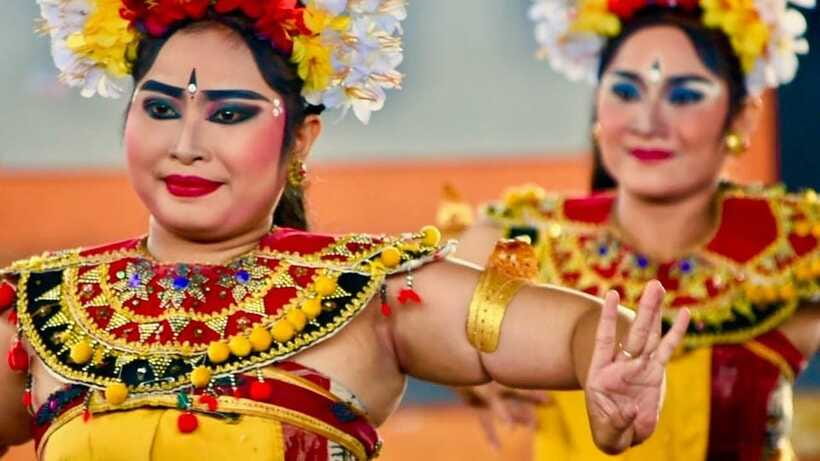
This is where the experience shines. The performers’ costumes and masks aren’t just decorative. They’re part of the storytelling system. You can see it in how the dancers embody Barong’s defenders and Rangda’s dark faction—movement plus costume equals meaning.
I’d also expect standout gamelan musicians. The music is tightly coordinated with the dancers, with players and performers working as one unit rather than acting like two separate groups. That coordination is a big reason this kind of dance doesn’t feel like a filmed reenactment. It feels like a live tradition doing what it has done for generations.
The pageantry doesn’t cancel the craft. Even when parts of the dance can feel simpler or more repetitive than you imagined, the combination of rhythm, costume, and group choreography still makes it worth your time—especially at this price point.
How Family-Friendly Is It, Really?
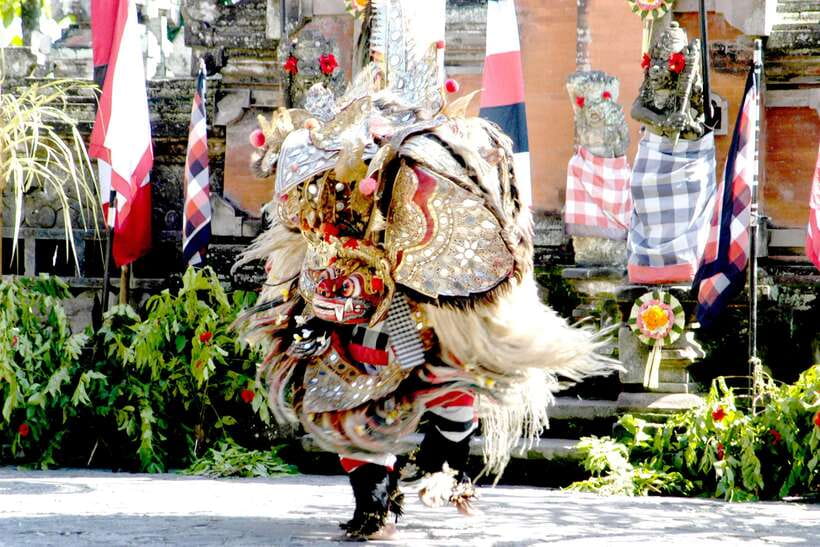
This show is described as captivating for families and all ages, and that tracks with what you’ll feel in the room. Kids often respond to the masks, the musical momentum, and the punchy scenes of conflict.
Still, don’t assume it’s made only for little kids. Some performances include moments that can feel crude or too direct for very sensitive children. That’s not a reason to avoid it for everyone—it’s a reason to judge your own family’s tolerance and expectations. If your kids are young, consider bringing patience more than expecting a gentle, purely wholesome show.
More Kecak, Barong and Balinese dance evenings


Comfort and Practical Tips: Shoes, Seats, and What to Bring
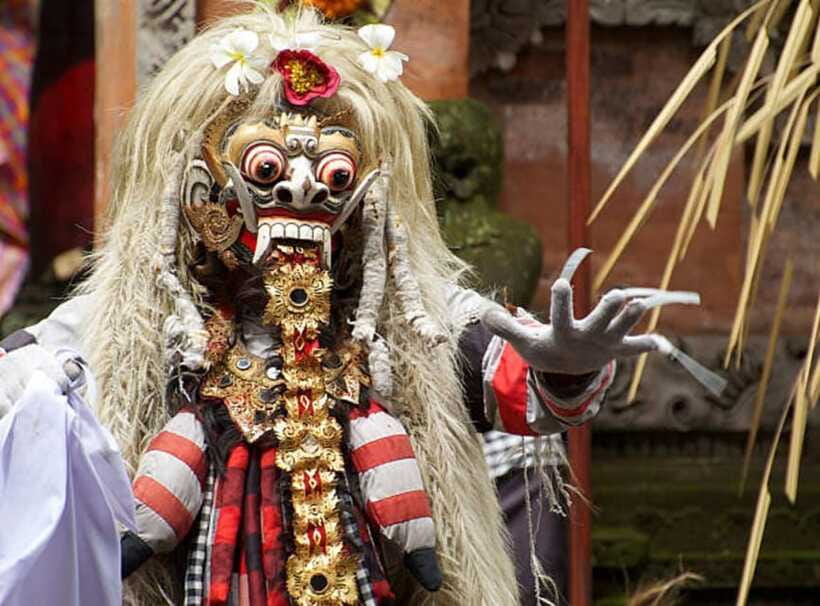
Bring comfortable shoes and clothes. You may stand around briefly, and you’ll definitely want footwear you can move in without thinking about it. A camera helps because the masks and costumes are the kind of details you’ll want to capture without leaning forward awkwardly.
What about seating? Some people find the chairs uncomfortable. That doesn’t mean the whole setup is terrible, but it does mean you should prepare. If you know you’re sensitive to hard seats, consider how long you’ll have to sit and manage your comfort before the show starts.
Also note the rules: no alcohol and drugs, and don’t litter or make fire. Bali performances are serious about keeping the site clean and respectful, so play it straight.
Language and Storytelling: You Might Follow the Plot, but You Won’t Catch Every Line
The host or greeter is listed as speaking English and Indonesian. That’s helpful for basic info—where to check in, what time to be there, and how your ticket works.
But the show itself is a dance-and-myth performance. If you’re hoping for a clear, step-by-step explanation in English, your experience may vary. One key thing to understand is that some of the English guidance tied to tickets can be too limited to fully solve the story. So if you want a smoother night, go in knowing the outline: Barong and Rangda are locked in an eternal struggle, and the dance dramatizes their conflict through action and rhythm.
Who Should Book This Barong Dance and Keris Cultural Show?
This is a great choice if you want:
- a classic Bali mythology performance in or near Ubud
- strong traditional gamelan music and impressive costumes
- a show that works for mixed groups, including kids
It may be less ideal if you:
- hate any crude moments and want a strictly family-only tone
- need super clear explanations of every story beat
- expect a perfectly comfortable seat for a long stretch
And if you’re the type who loves seeing cultural performance as living tradition, this will feel like a strong value buy. At around $6, you’re paying mainly for the performance itself, not for luxury framing.
Should You Book It?
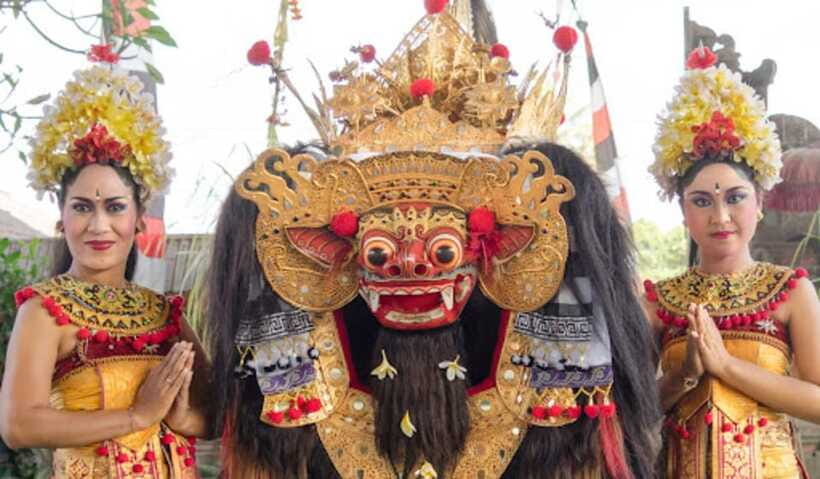
Yes, I think you should book this if you’re there for the dance and music. The best part is the craft: costumes, masks, coordinated gamelan, and the dramatic Barong vs Rangda conflict. The price makes it an easy yes for most people who want a memorable cultural night in Bali without blowing your budget.
Just handle the one risk smartly: timing and check-in. Use your confirmation for your specific start time, arrive with a cushion, and keep your e-voucher accessible. If you do that, you’ll spend your energy watching the story unfold instead of hunting for tickets.
FAQ
Where does the Barong Dance take place?
The traditional Barong Dance is located at Batubulan Village in Bali.
How much is the ticket?
The price is listed as about $6 per person.
How long is the show?
The duration is listed as 1 to 5 hours.
What time does the Barong show start?
The provided info says the Barong show starts at 9:30. Starting times depend on availability, and some bookings show later starts such as 7:30pm.
Is pickup included?
Pickup is optional. If you select transfer, the private round transfer covers Ubud, Denpasar, and Sanur Areas. For Kuta, Seminyak, and Nusa Dua, you need to add 100,000 IDR cash.
What do I need to bring, and what is not allowed?
Bring comfortable shoes, a camera, and comfortable clothes. Alcohol and drugs are not allowed, and you also should not litter or make fire.
Is this activity refundable?
Yes. Free cancellation is offered up to 24 hours in advance for a full refund.
More Bali Reviews & Picks

More Kecak, Barong & Dance Nights
More Around Ubud & the Monkey Forest

Still deciding? More Bali days reviewed, from volcano sunrises to island crossings












Ubud, Monkey Forest & Campuhan, compared.
 ★ 5.0All-Inclusive Ubud Private TourFrom $10014,344 reviews
 ★ 5.0Best of Ubud Full-Day Tour with Jungle SwingFrom $568,571 reviews
 ★ 5.0Ubud: Monkey Forest, Jungle Swing, Rice Terrace, and Water TempleFrom $317,160 reviews
 ★ 5.0Best of Ubud 1-Day Private TourFrom $544,451 reviews
 ★ 4.4Ubud Palace Legong Dance Show TicketFrom $63,979 reviews
 ★ 5.0Body Massage Experience in Ubud Traditional SpaFrom $213,506 reviews
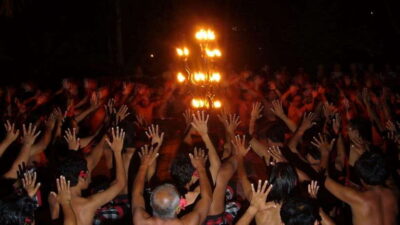 ★ 4.4Ubud Kecak and Fire Dance Show TicketsFrom $62,631 reviews
 ★ 5.0Ubud Cooking Class Bali with Balinese ChefFrom $351,609 reviews
Browse the lists this tour appears in