
Reviewed · ISLAND HIGHLIGHTS & FULL-DAY TOURS
UNESCO Sites Cultural Walking Tour in Bali
Water, temples, and rice fields in one day. This Ubud day walk links the sacred Tirta Empul Temple purification ritual with a practical look at the Subak irrigation tradition, so you understand how daily farming and spirituality connect.
I love the small-group size (max 20) and how the guides are praised for being kind and professional, with names like Wayan, Nyoman, and Dewa showing up in recent feedback. I also like that food and drinks are handled for you: there’s a light breakfast, a Balinese lunch, plus mineral water and coconut water, so the day stays relaxed instead of turning into a scavenger hunt.
One thing to consider: this is a walking tour with temple steps and uneven paths through rice areas. It’s listed as moderate physical fitness, and it’s not recommended for back problems, heart complaints, other serious medical conditions, or pregnancy.
In This Review
- Key highlights worth your time
- Why Tirta Empul and Subak make this UNESCO day walk special
- Getting picked up in Ubud: timing and group size in plain terms
- Stop 1 at Tirta Empul Temple: what the purification ritual is really like
- Stop 2 at Friends in Bali: the meal stop that also supports the community
- Stop 3 at Gunung Kawi Sebatu: cave temple plus rice paddy walking
- Price and value: is $58 a fair deal?
- Who this Bali walking tour suits best
- What to expect on the ground: pace, respect, and comfort
- Should you book this UNESCO Sites Cultural Walking Tour in Bali?
- FAQ
- What is the duration of the UNESCO Sites Cultural Walking Tour in Bali?
- Where does the tour start and end?
- Is hotel pickup and drop-off included?
- What meals and drinks are included?
- Are admission tickets included?
- Do I get anything to wear for the temple and purification bath?
- Is this tour suitable for everyone physically?
Key highlights worth your time
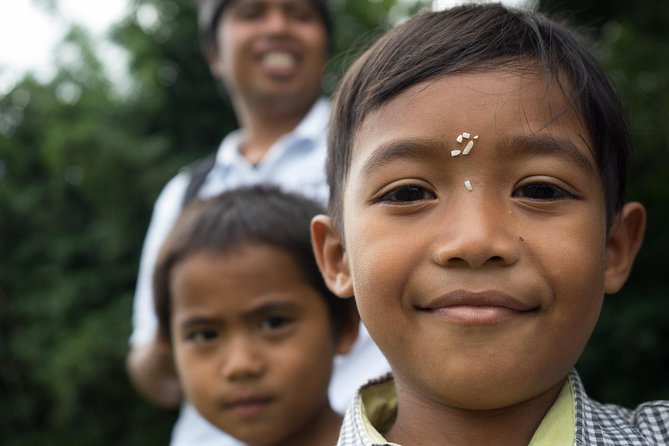
- Tirta Empul purification ritual with a guide escorting you through what to do and why it matters
- Temple cloths for visiting and bathing so you’re not scrambling at the last minute
- Rice-paddy walking + Subak lesson to understand the traditional irrigation system beyond a photo stop
- Gunung Kawi Sebatu cave temple visit with time to explore the site at an unhurried pace
- Included meals and drinks (light breakfast, Balinese lunch, mineral water, coconut water)
- Charity in a local school built into the tour experience
Why Tirta Empul and Subak make this UNESCO day walk special
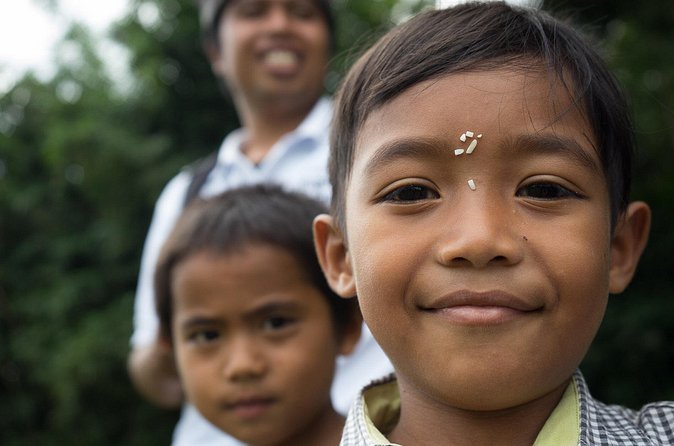
This tour hits two ideas that Bali does better than almost anywhere: water and community.
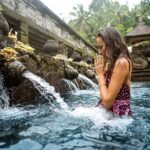
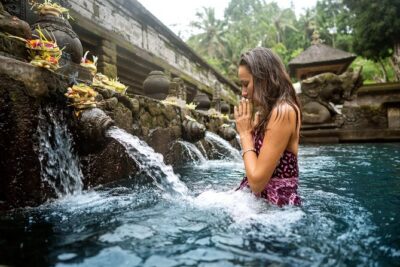
At Tirta Empul, the focus is a sacred purification ritual at the holy spring. You’re not just looking at a temple from the outside—you’re guided through the experience with temple cloths provided for the bath. That matters, because purification here is part of a bigger worldview about cleansing, renewal, and respect.
Then the day shifts from the temple pool to the fields. Subak is the traditional irrigation system—organized, communal, and tied to temple water management. Walking the rice paddies and learning how Subak works gives you a more grounded understanding than a quick photo. You start to see the logic behind the terraces, canals, and the way locals plan around water flow.
The best part is that the day doesn’t treat spirituality and farming as separate worlds. Instead, you get a single thread: water is sacred, and water is managed.
More full-day tours that string together the best of the island


Getting picked up in Ubud: timing and group size in plain terms
The tour starts at 8:30am in Ubud, and it returns you back to the meeting point. If you’re staying in Ubud, the included hotel pickup and drop-off is a real convenience—less stress, less traffic wrangling, more time actually doing things.
It runs about 6 hours total, with three main blocks:
- Stop 1: Tirta Empul (about 2 hours)
- Stop 2: Friends in Bali (about 1 hour)
- Stop 3: Gunung Kawi Sebatu (about 2 hours)
The group maximum is 20 travelers. That’s a sweet spot for a cultural walking tour: large enough that you’ll have energy around you, small enough that the guide can manage a steady pace and answer questions.
You’ll also get a mobile ticket, and the meeting location is described as near public transportation. That’s handy if you want flexibility, but the included pickup is still the simplest route.
Stop 1 at Tirta Empul Temple: what the purification ritual is really like
Your guide starts with temple background, then escorts you to take part in the purification ritual at Tirta Empul Temple. This isn’t framed as a casual “stand here and watch” stop. You’re set up to participate.
Here’s what you should plan for:
- You’ll experience a sacred purification ritual at the holy spring
- Balinese cloths are provided for temple visiting and the purification bath
- Admission is included for this stop
Because the tour provides cloths, you can travel lighter. But you should still expect getting wet during the purification bath. If you want to be comfortable afterward, wear footwear you’re okay with getting damp or muddy, and consider clothing you can live in for a few hours.
Also, remember that a ritual like this is about respect and rules you follow. Your guide is there to explain the do’s and don’ts, and it’s worth listening closely at the start. When you follow instructions instead of improvising, the experience usually feels smoother and more meaningful.
The most valuable payoff of this stop is context. Tirta Empul is easy to admire as a building and a spring. It’s easier to understand as a living practice once you’re guided through how it works and what participation means.
Stop 2 at Friends in Bali: the meal stop that also supports the community
Between temples, you get a break that’s more than just eating. The Friends in Bali stop includes light breakfast and lunch, and this is scheduled for about 1 hour.
You’ll also have:
- Mineral water and coconut water included
- Admission ticket is free for this stop
- A charity contribution in a local school included in the overall tour
I like this stop because it prevents the day from feeling like nonstop walking. With a light breakfast and lunch built in, you can focus on the sites instead of hunting for food at the wrong time.
The school charity angle is also important, even if it’s simple on paper. It turns your day out into something with a local impact, not just personal sightseeing.
One more practical note: if you’ve been awake early, this meal block can feel like the reset button you need. Eat what you can, drink your coconut water, and you’ll be ready for the rice paddy and cave temple part of the day.
Stop 3 at Gunung Kawi Sebatu: cave temple plus rice paddy walking
The last stop is Gunung Kawi Sebatu Temple, and it’s structured around walking and learning.
You’ll:
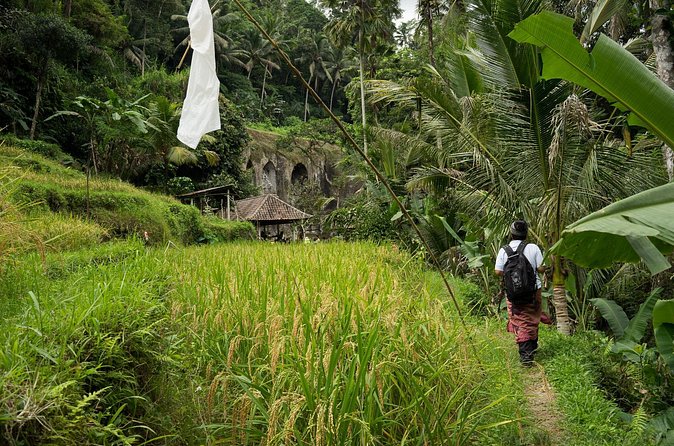
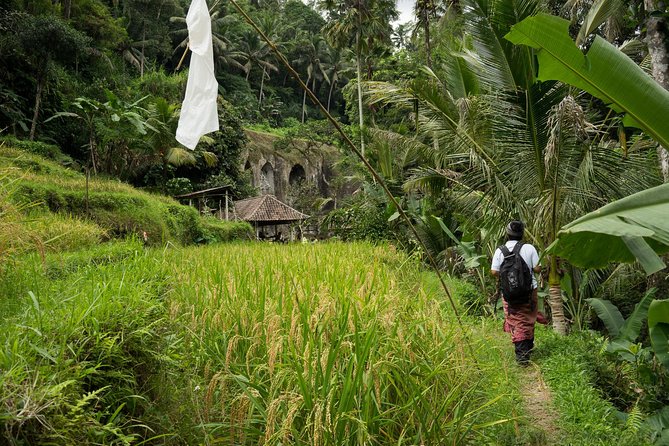
- Walk through rice paddies
- Learn about the traditional irrigation system called Subak
- Explore the cave temple site
This section is about 2 hours, with admission included. The route through the paddies is where the tour starts to feel most “local.” You get away from the temple-only viewpoint and see how the farming landscape functions as part of culture.
Subak is the key here. When you hear the term before the walk, it can sound technical. Walking the fields turns it into something you can picture: canals, water distribution, and the way the system supports rice growing season after season. Instead of treating irrigation as a background detail, you understand it as a social system.
Then there’s the cave temple. Gunung Kawi Sebatu is described as having charm and a sense of magical history. Even if you’re not a folklore person, a cave temple changes the feel of the visit. It’s cooler, quieter, and more enclosed—so your attention tightens on what’s in front of you.
Practical consideration: caves and temple areas can include uneven ground and steps. This is one reason the tour lists moderate physical fitness and advises against it for back and heart issues. If you’re okay with slow walking and careful footing, the cave experience is usually the highlight.
More Bali strolls and walking tours


Price and value: is $58 a fair deal?
At $58 per person for about 6 hours, this tour is priced in the mid-range for Bali day tours. The real question is what you’re getting for that price, and the included items do add up.
Here’s the value math that matters:
- Hotel pickup and drop-off in Ubud (big convenience factor)
- Admissions included for Tirta Empul and Gunung Kawi Sebatu
- Balinese cloths provided for temple visit and the purification bath
- Breakfast and lunch included, plus mineral and coconut water
- Guiding fee included
- Charity in a local school included
What’s not included is also clear: alcoholic drinks (available to purchase) and souvenir photos (available by advance reservation).
So where does your money go? A good chunk goes to access and participation: temple entries, guide work, and the cloths needed for the ritual. Another chunk goes to making the day easy to execute—pickup, meals, and drinks. When all of that is handled, the tour feels like a structured cultural day rather than a bundle of separate tasks you have to manage yourself.
If you were planning to visit Tirta Empul and Gunung Kawi Sebatu on your own, you’d still be paying for transport, entry fees, and a guide to make sense of what you’re seeing. The $58 price feels more reasonable when you think in terms of what you would otherwise coordinate.
Who this Bali walking tour suits best
This works best if you:
- Want a cultural walking day that connects spirituality, irrigation, and daily life
- Prefer a smaller group (max 20) over the big bus model
- Like guided context, not just wandering and taking pictures
- Are comfortable doing a moderate amount of walking and temple steps
It’s not the best fit if you:
- Have back problems, heart complaints, or other serious medical conditions
- Are pregnant
- Need fully flat, minimal-step routes
If you’re someone who likes to ask questions—about how water is managed, why rituals happen, or how locals organize their day—this tour style is a good match. The guide-led flow matters, especially at Tirta Empul.
What to expect on the ground: pace, respect, and comfort
Because this is a walking tour, the day feels best when you mentally switch from sightseeing mode to participation mode.
Expect a steady pace with guided explanations, short transitions, and a focus on respectful behavior at temples. Your guides are a big part of the experience, and recent feedback points to guides like Wayan, Nyoman, and Dewa being kind, friendly, and professional. That type of guiding style can make a cultural day feel more like a conversation than a lecture.
For comfort, plan around the ritual and the paddies:
- Shoes for uneven ground (you’ll be on temple areas and rice routes)
- Clothing you’re okay wearing around wet spots (purification bath means water)
- A water-friendly mindset for the day—mineral water and coconut water are included, which helps
If you want extra photos or souvenirs, the tour notes that souvenir photos are available by advance reservation. And if you’re thinking about alcohol, it’s not included—just available to purchase.
Should you book this UNESCO Sites Cultural Walking Tour in Bali?
Book it if you want a single day that teaches you how Bali’s water culture shows up in both temples and rice fields. The combo of Tirta Empul participation, the Subak irrigation lesson on the paddies, and the Gunung Kawi Sebatu cave temple gives you variety without turning the day into random stops.
Skip it if you’re worried about walking steps or you have medical limits the tour flags (back issues, heart problems, serious conditions, pregnancy). Also consider it carefully if you need a very low-activity pace.
For most people in good shape who want something more grounded than the typical checklist tour, this one looks like a strong value: pickup, admissions, cloths, meals, drinks, guiding, and a community contribution for $58.
FAQ
What is the duration of the UNESCO Sites Cultural Walking Tour in Bali?
It’s about 6 hours.
Where does the tour start and end?
It starts in Ubud (Gianyar Regency) and ends back at the meeting point in Ubud.
Is hotel pickup and drop-off included?
Yes. Hotel pickup and drop-off are included.
What meals and drinks are included?
The tour includes a light breakfast and Balinese lunch, plus mineral water and coconut water.
Are admission tickets included?
Yes. Admission is included for Tirta Empul Temple and Gunung Kawi Sebatu Temple. The Friends in Bali stop is listed as free.
Do I get anything to wear for the temple and purification bath?
Yes. Balinese cloths are included for the temple visit and the purification bath in the holy spring.
Is this tour suitable for everyone physically?
It’s listed as moderate physical fitness. It’s not recommended for participants with back problems, heart complaints or other serious medical conditions, or for pregnant women.
More Bali Tour Picks


More Bali Reviews & Picks



More Full-Day Island Highlights

Still deciding? More Bali days reviewed, from volcano sunrises to island crossings




Island Highlights & Full-Day Tours, compared.
 ★ 5.0Best of Ubud Full-Day Tour with Jungle SwingFrom $568,571 reviews
 ★ 5.0Bali Full-Day Traditional Village Sightseeing Trip All InclusiveFrom $683,069 reviews
 ★ 5.0Best of Bali Waterfalls: Tibumana, Tukad Cepung and TegenunganFrom $533,047 reviews
 ★ 5.0Full-Day Tour to Water Temples and UNESCO Rice Terraces in BaliFrom $392,539 reviews
 ★ 5.0Private Day Tour: The Highlight of UbudFrom $681,136 reviews
 ★ 5.0Best of Bali 3-Day Packaged TourFrom $179503 reviews
 ★ 5.0Ubud Tour – Ubud Highlight – Private Tour All inclusiveFrom $59399 reviews
 ★ 5.0Private Tour: Uluwatu Temple & Southern Bali HighlightsFrom $45387 reviews
Browse the lists this tour appears in