
Reviewed · SCUBA DIVING & THE TULAMBEN WRECK
3 Days PADI Open Water Course in Pemuteran
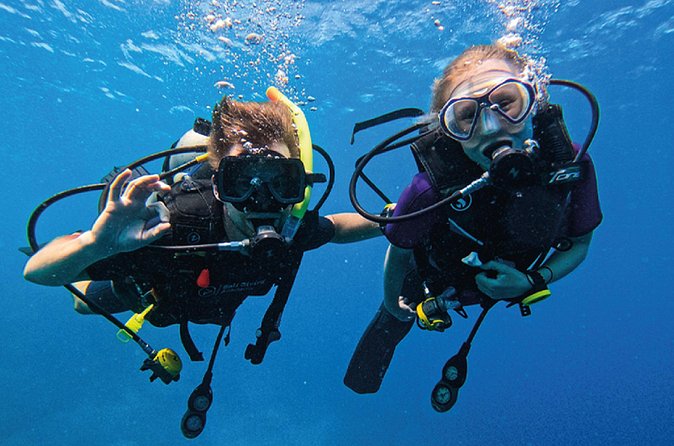
Three days, and suddenly you can breathe underwater. Pemuteran is a quieter Bali base for a PADI Open Water course, with small groups and a strong safety-first approach that matters when you’re learning something new. I like that the program is built around real skills—online theory plus hands-on coaching—so you’re not just watching videos and hoping for the best.
What makes this setup feel extra solid is the emphasis on guided practice with professionals who are certified and insured, and who know the reef habitats in the area. One drawback: it’s a 3-day commitment that runs on a set schedule (starting at 8:00 am) and depends on good weather.
In This Review
- Key Things I’d Focus On
- Pemuteran Meeting Point and the 8:00 am Start
- What PADI Open Water Really Gives You (18 Meters Included)
- Day 1: Confined-Water Skills That Build Confidence Fast
- Days 2 and 3: Open-Water Sessions 1–4 in Real Conditions
- Menjangan Island: The Big Visual Payoff (Plus Turtles and Sharks)
- Instructors, Equipment, and That Calm Professional Feeling
- Value and Price: Does $425 Make Sense?
- Logistics That Actually Affect Your Learning
- Who Should Book This Course in Pemuteran?
- FAQ
- FAQ
- How long is the PADI Open Water course in Pemuteran?
- Is the theory part of the course online?
- What happens on the first day?
- What do you do on days 2 and 3?
- What certification level do I get, and how deep can I go after?
- How many people are in the group?
- What if the weather is bad, or if I need to cancel?
- Should You Book Bali Diving Academy for Open Water in Pemuteran?
Key Things I’d Focus On
- Max 4 students at a time means you’re less likely to get lost in the shuffle.
- Online theory via PADI e-learning lets you knock out the prep before day 1 or during the course.
- Day 1 is confined-water skills, so you build confidence before you go out.
- Open-water sessions 1–4 happen over days 2 and 3, letting you practice for real-world conditions.
- Safety track record and reef familiarity are built into how the instructors run the days.
- Menjangan Island is a common highlight, with reports of turtles and even sharks.
Pemuteran Meeting Point and the 8:00 am Start
Your course meets at Bali Diving Academy Pemuteran, Dusun, Pemuteran, Kec. Gerokgak, Kabupaten Buleleng, Bali 81155, Indonesia. The start time is 8:00 am, and the activity ends back at the same meeting point. That matters because a morning start usually means calmer water later in the day and more consistent training time.
Pemuteran itself is a smart choice for learning. It’s not the loud, frantic side of Bali—you’re in a coastal area where you can focus on fundamentals without constantly feeling like you’re rushing between attractions. If you’re coming from farther away on the island, plan extra time so you’re not sprinting to gear up.
Also, this is a small-group course (up to 4 people), so being on time helps everyone. If your schedule is already tight—tight flights, tight hotel check-outs—this course might feel more stressful than it should. I’d treat the 3 days as a priority block, not a “squeeze it in after lunch” kind of plan.
More of West Bali and the Menjangan wild coast
What PADI Open Water Really Gives You (18 Meters Included)
PADI Open Water is the first certification level, recognized worldwide. The payoff is practical: after you complete the course, you can dive safely to 18 meters (about 60 feet), using the certification as your entry point.
Learning this level is about more than getting used to breathing underwater. You’ll cover the core principles and basic scuba skills that let you manage buoyancy, control your air, and respond properly to common situations. That’s why the course combines theory with repetitive practice—because underwater comfort comes from competence, not courage.
One thing I like here is that the theory is not thrown at you as homework and left there. It’s done online through PADI e-learning and then reviewed with a certified instructor. If anything feels confusing—equipment setup, breathing patterns, or basic concepts—you have a professional to translate it into real technique.
And if you’re thinking about the long-term value: this certification is your passport to future underwater adventures across many countries. You’re paying not only for the training days, but for the foundation that helps you get more out of later trips without relearning basics every time.
Day 1: Confined-Water Skills That Build Confidence Fast
Day 1 is all about confined-water training (a pool session style approach). The goal is simple: you learn and repeat the fundamentals in a controlled environment before you go out into open water.
Even if you’re calm in normal life, underwater training is still a new sensory world—different pressure, different movement, and a whole new rhythm for breathing. Practicing in a confined space means you can focus on skill quality instead of fighting conditions you don’t yet understand. You’re also more likely to ask questions early, because the stakes are lower.
The course structure puts you in a good learning order:
- Learn setup and basic operation
- Practice core skills repeatedly
- Get feedback while you’re still dry enough (emotionally and literally) to learn quickly
This is where your instructor’s coaching style matters. The training is only as good as the time spent on fundamentals, and the reviews point to instructors who take time to help you practice until it clicks.
Days 2 and 3: Open-Water Sessions 1–4 in Real Conditions
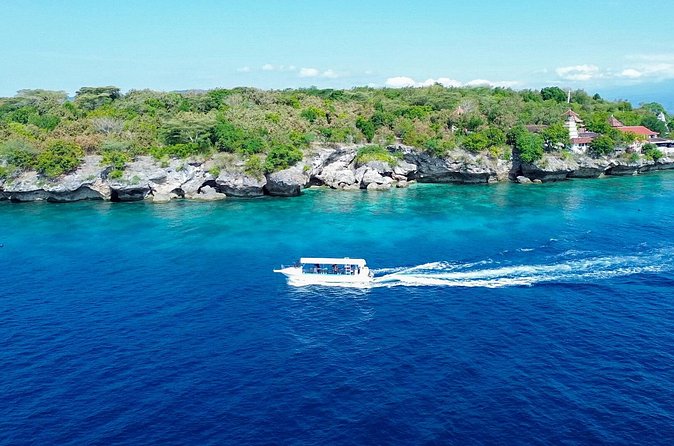
Days 2 and 3 shift from controlled practice to ocean training. In total, you’ll complete open-water sessions 1 to 4. This is where you apply the skills you built on day 1 and adapt to real conditions like natural water movement and changing visibility.
For me, the key value in this part of the course is repetition with guidance. You’re not expected to figure everything out in one dramatic moment. You get multiple sessions so you can correct technique, improve buoyancy control, and build muscle memory before the final steps.
This is also where a safety-focused team earns its keep. The course info emphasizes that you’ll always be guided by a certified professional who’s familiar with reef habitats. That matters because learning to manage yourself underwater is only part of the equation—the other part is understanding the environment and how to move through it safely.
You’ll also see why small group size helps here. With a maximum of 4 people, you’re more likely to get direct attention when you need it, instead of waiting your turn while someone else is being coached.
Menjangan Island: The Big Visual Payoff (Plus Turtles and Sharks)
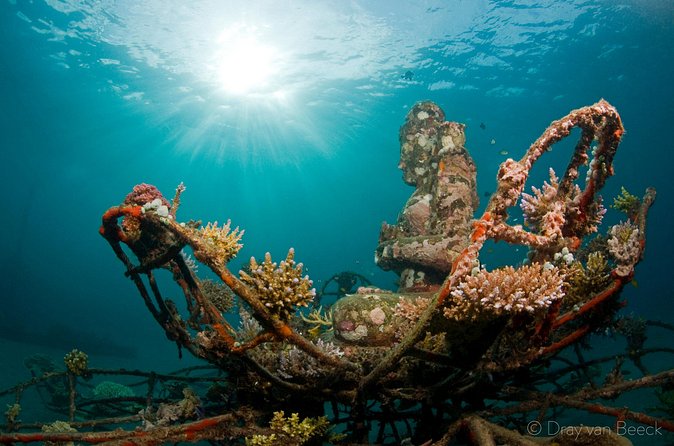
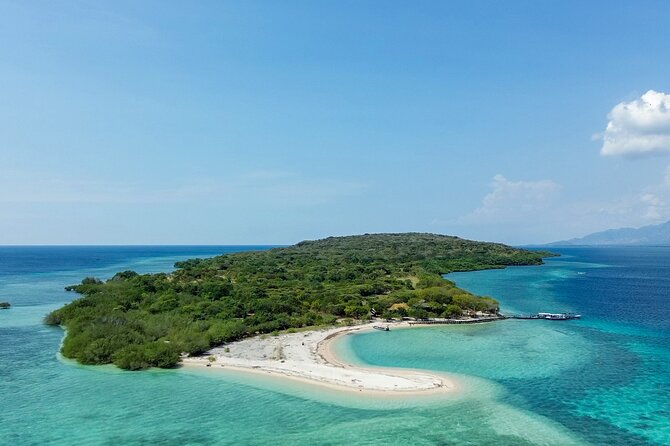
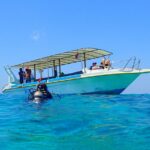
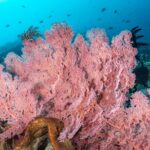
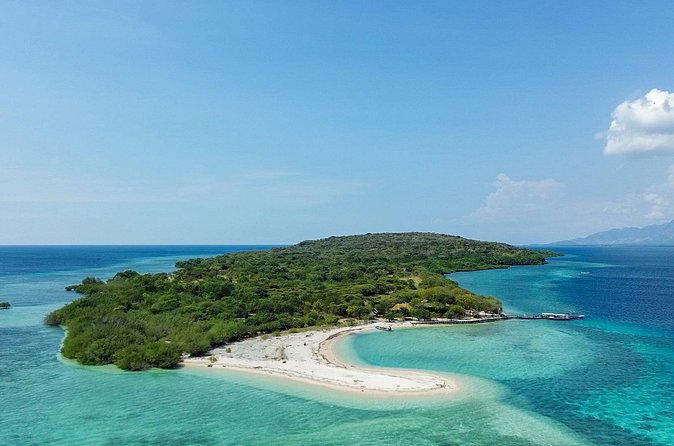
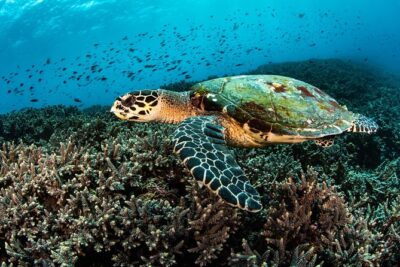
One highlight from the experience is a final-day trip to Menjangan Island. In the accounts I reviewed, Menjangan is described as insanely beautiful, with sightings that included turtles and even sharks. That’s exactly the kind of payoff that makes Open Water feel worth it: you’re not only learning skills, you’re also getting a glimpse of why people fall in love with underwater life.
It’s smart to keep your expectations grounded, though. Wildlife sightings are never guaranteed. But the fact that the program can include Menjangan means your course may finish with a stronger sense of place—reef ecosystems that look and feel different from just doing basics near the local area.
If you’re a first-timer, wildlife sightings can also boost confidence. Seeing turtles peacefully moving through the scene reminds you that you’re there to learn, not to wrestle the ocean. And if you’re lucky enough to spot larger animals, it reinforces good habits like staying calm, maintaining buoyancy, and not chasing anything.
More scuba trips, from the Tulamben wreck to Menjangan

Instructors, Equipment, and That Calm Professional Feeling
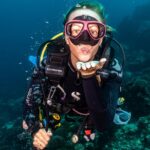
The best courses don’t just teach steps. They teach how to feel underwater: calm, aware, and in control. The accounts tied to this Bali Diving Academy setup repeatedly mention professionalism, focus, and safety—and names come up clearly.
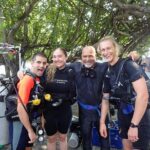
One instructor highlighted is Edi Sumantara, noted for being professional, focused, and safety-minded. Other instructors mentioned include Karin and Putu, described as kind, helpful, and deeply attentive during practice. When you’re learning new equipment and new physical sensations, this kind of patient guidance can make the difference between nervous and confident.
Equipment is another practical point. The reviews say the gear is great, and that’s not a small detail. Good gear helps you learn faster because you’re not fighting problems like poor fit, leaky connections, or gear that doesn’t behave the way it should. For a beginner, that reduces stress and makes every repetition count.
There’s also mention of organized processes, which you’ll feel in the flow of the day. When a team runs a tight system—briefings, checking gear, moving to the water efficiently—you waste less time standing around and more time learning. Small group size supports this, too.
After your sessions, it’s also worth making time to eat at The Sage. One recommendation was that it’s a great meal after training, which is exactly what you want when you’re tired and slightly salt-stung in the best way.
Value and Price: Does $425 Make Sense?
The price is $425 per person for the 3-day Open Water course. On the surface, that number might look either high or fair depending on what you’re comparing it to. Here’s how I’d judge the value using what’s included and what’s emphasized.
First, you’re paying for:
- A structured multi-day course (theory + confined skills + open-water sessions)
- Instructor-led coaching and review of your online theory
- A small group cap (max 4 people)
- Equipment support and guided training designed around reef habitats and safety
Second, you’re getting certification recognized worldwide, with a pathway to go up to 18 meters later. If you plan to do future underwater trips, Open Water is the entry ticket. The real value shows up when your next trip doesn’t feel like a full reboot.
Third, the course uses PADI e-learning for the theory. That can reduce classroom time and keep the schedule more efficient—especially helpful if you’re traveling and juggling other activities.
One thing to watch: this is non-refundable and can’t be changed for any reason (based on the policy). Plus, the course requires good weather. If you’re the type who can’t risk schedule changes, consider building buffer time into your Bali plan.
Logistics That Actually Affect Your Learning
This course is based in Pemuteran, and the meeting point is fixed. The activity begins at 8:00 am and ends back at the same location. That’s simple, but it also helps you plan your days: you can treat mornings as training time and evenings as recovery and meals.
The course also offers mobile ticket use and mentions group discounts. That’s useful if you’re booking with friends or if you’re traveling as a small group and want to keep the process easy.
You’ll want moderate physical fitness, as stated in the requirements. That doesn’t mean you need to be an athlete, but it does mean you should be comfortable with the physical effort of learning a new breathing routine and handling standard gear tasks. If you’re coming in injured, exhausted, or sick, it’s going to be harder to learn and harder for the instructors to teach effectively.
Also, note that the theory can be done before the start or during the 3 days. If you arrive without doing much prep, you might spend more of your course time on e-learning review. If you can, doing some theory ahead of time can make day 1 feel more relaxed.
Who Should Book This Course in Pemuteran?
I think this course is a strong match if you want:
- A structured path to a first scuba certification
- Small group attention (max 4)
- Safety-focused coaching and reef-habitat familiarity
- A quieter Bali location for learning, plus a chance for a Menjangan-style final-day highlight
It’s also a good fit if you already know you’ll want to keep going after your first certification. Paying for a solid foundation now often saves money and stress later.
I’d think twice if:
- You can’t handle an early 8:00 am start
- Your travel schedule is too tight to absorb weather changes
- You’re looking for a casual, purely sightseeing day. This is training, skill work, and practice-based coaching.
If you want the best experience, show up rested, treat the theory seriously, and keep a calm mindset. Underwater learning rewards patience.
FAQ
FAQ
How long is the PADI Open Water course in Pemuteran?
It runs for 3 days.
Is the theory part of the course online?
Yes. The theory is done online using PADI e-learning and reviewed with your certified instructor.
What happens on the first day?
The first day includes confined-water training (pool session) to learn basic scuba skills in a controlled environment.
What do you do on days 2 and 3?
Days 2 and 3 are open-water sessions, with sessions 1 to 4 where you practice your new skills in the ocean.
What certification level do I get, and how deep can I go after?
You complete the PADI Open Water course, and it allows you to dive safely up to 18 meters.
How many people are in the group?
The course has a maximum of 4 people.
What if the weather is bad, or if I need to cancel?
This experience requires good weather. If it’s canceled due to poor weather, you’ll be offered a different date or a full refund. If you cancel for any reason, the experience is non-refundable and cannot be changed.
Should You Book Bali Diving Academy for Open Water in Pemuteran?
I’d book this course if you want a clear, skills-first path to Open Water with small group attention and a safety-focused team in a calmer part of Bali. The instructors named in the accounts—Edi Sumantara, Karin, and Putu—are repeatedly tied to professionalism and taking time with practice, and that’s exactly what beginners need.
If you’re flexible with weather and committed to a 3-day block, the value at $425 makes more sense because you’re not just buying a certificate. You’re buying coaching, repetition, and a foundation that can carry you into deeper underwater days later—potentially even with a Menjangan Island finale.
More Scuba & Wreck Dives
More of West Bali & Menjangan
Still deciding? More Bali days reviewed, from volcano sunrises to island crossings

Scuba Diving & the Tulamben Wreck, compared.
 ★ 5.0Open Water Course in Nusa Lembongan – Get Certified on remote island (next Bali)From $461864 reviews
 ★ 5.02 Days Discover Scuba Diving in Nusa Lembongan – Scuba InitiationFrom $151506 reviews
 ★ 5.0Open Water Course in Tulamben – Get Certified in BaliFrom $376495 reviews
 ★ 5.0Bali Diving for Beginners: Tulamben Liberty WreckFrom $89367 reviews
 ★ 5.0Discover Scuba Diving in Tulamben – Diving Initiation in Bali best diving sitesFrom $89353 reviews
 ★ 5.0Advanced Open Water Course – Advanced Certification in Lembongan (next to Bali)From $431222 reviews
 ★ 5.05 Fun Dives in Nusa Lembongan (for certified divers) – Swim with a Mola MolaFrom $256205 reviews
 ★ 5.0Scuba Diving in Nusa Penida – Manta PointFrom $175198 reviews
Browse the lists this tour appears in