
Reviewed · UBUD, MONKEY FOREST & CAMPUHAN
Authentic Balinese Cooking Class in Ubud
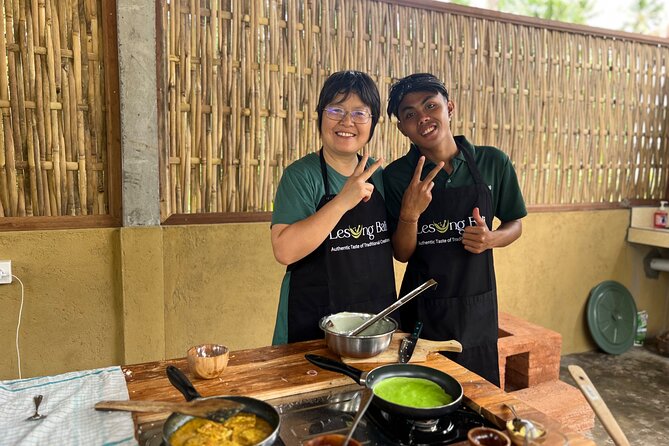
Spice grinding is the easy part. This Balinese cooking class in Ubud turns a half-day into something practical and cultural, with a countryside farm where you harvest spices, then learn hands-on techniques like pounding pastes with a lesung. I like that it’s structured (menu choice, clear steps, real ingredients), and I love the included extras like lunch and a recipe PDF to take home. The only real drawback: the $49 price is for Ubud-area pickup, and other areas can add extra transport fees.
You get to pick from departure times, so you can fit this around the rest of your Ubud days instead of losing a whole day. On the day, you’ll start with door-to-door-style pickup and drop-off in the Ubud area, ride in an air-conditioned vehicle, and move through several stops without scrambling for directions. If you want a quieter lesson, the class setting on the west side of Ubud—surrounded by green countryside—keeps the mood calmer than the center of town.
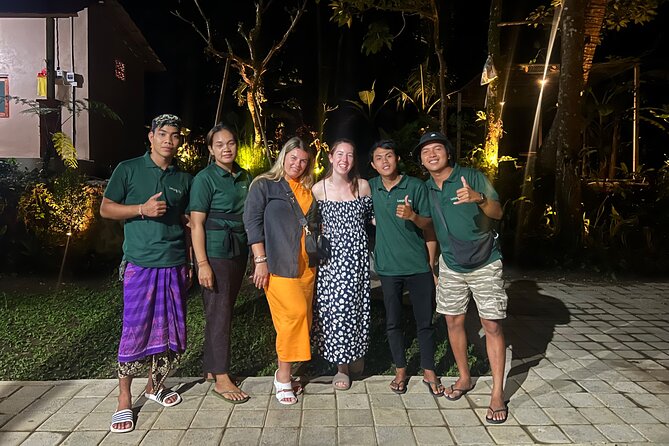
There’s also a human side here: in past sessions, I’ve seen people light up about the teacher Putri and the driver Ron (names that have popped up in the guide team). And depending on timing, your visit to a typical Balinese home can include what looks like a family ritual in progress, like a one-month birthday ceremony.
In This Review
- Key things to know before you go
- From Ubud pickup to a farm-style cooking day
- The morning market stop: spices you can recognize later
- A typical Balinese home visit, and why it changes the cooking lesson
- The farm harvest: where your ingredients start
- Your Balinese cooking lesson: menus, lesung pounding, and banana leaf prep
- Lunch and coffee/tea: eating what you made
- Groups, timing, and getting value out of the $49 price
- Who should book this Balinese cooking class?
- Should you book Bali Natural Tours for an Authentic Balinese cooking class in Ubud?
- FAQ
- How much does the Balinese cooking class cost, and how long is it?
- Do you offer pickup and drop-off in Ubud?
- Is lunch included?
- Are vegetarian menu options available?
- What is the group size?
- What happens if weather is bad or I need to cancel?
Key things to know before you go
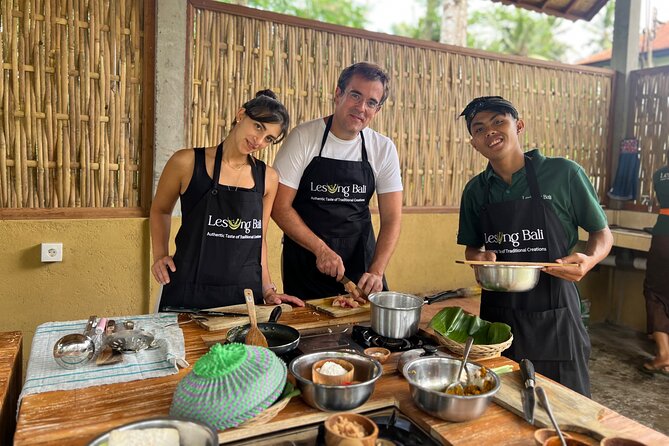
- Small group max 15: You’ll actually cook, not just watch from the back.
- Market morning option: If you book the morning class, you’ll visit a traditional market and buy spices locally.
- Farm harvest first: You’ll pick the ingredients you’ll cook with, not just receive them pre-packaged.
- Lesung spice technique: You’ll learn the classic mortar-and-pestle method for building Balinese flavor.
- Menu choice includes vegetarian: You can select a vegetarian option instead of defaulting to meat dishes.
- Recipe PDF to bring home: You’ll leave with a guide so you can repeat the dishes later.
From Ubud pickup to a farm-style cooking day
Most cooking classes in Bali either feel like a “show” or like you’re dropped into a kitchen with no context. This one works because the flow is mapped out. You’re picked up in your Ubud area, then driven to the western side of Ubud where the day shifts from town energy to countryside quiet. Even the ride helps you reset: you’re in an air-conditioned vehicle and not trying to piece together transport between stops.
Your day starts with a couple cultural waypoints before the cooking begins. In the morning version, you’ll also add a traditional market stop where you can buy spices from local stalls. That matters more than you might think. Balinese cuisine isn’t just “spicy”—it’s built from layers of aromatics and spice pastes, and the market stop gives you a reference point for what those ingredients look like in real life.
Then you head to the farm to choose your menu ingredients and harvest spices. By the time you’re back at the cooking area, you’ve already touched the source of the flavor. You’ll see how the day’s work connects: walk, pick, pound, cook, eat.
More around Ubud, from the Monkey Forest to the Campuhan ridge



The morning market stop: spices you can recognize later
If you book the morning class, you’ll get a traditional market tour plus time to buy spices locally. For me, this is where you start understanding Balinese cooking beyond recipes. When you see spices sold as bundles and powders, you stop treating them like generic “curry ingredients” and start noticing the purpose of each one.
A market visit also gives you a snapshot of everyday life. Even if your Bahasa is limited, it’s easy to ask questions about what’s used in local dishes. You’re not learning theory in a classroom. You’re learning what real shoppers look for.
Practical note: plan to enjoy the browsing. This isn’t a fast-in-fast-out add-on. Your time gets folded into the class rhythm, and that’s usually what makes the whole day feel complete.
A typical Balinese home visit, and why it changes the cooking lesson
After the market step (morning tours), you’ll visit a local house to learn about Balinese culture and daily life, including how the home is placed and used. This isn’t just a photo stop. It helps explain the worldview around food: cooking isn’t separate from community, rituals, and the rhythm of the day.
One day may include a family ceremony. For example, I’ve heard of groups being shown what was happening during a one-month birthday ritual (based on the Balinese calendar). If that happens during your visit, the biggest value is that you learn to watch respectfully and quietly. You’re seeing how food connects to celebration and tradition.
Even if there’s no ceremony that day, you’ll still come away with a clearer sense of why kitchens and ceremonial space matter in Balinese homes. Then, when you later wrap food in banana leaves or build spice pastes, you’re doing it with more meaning than just taste.
The farm harvest: where your ingredients start
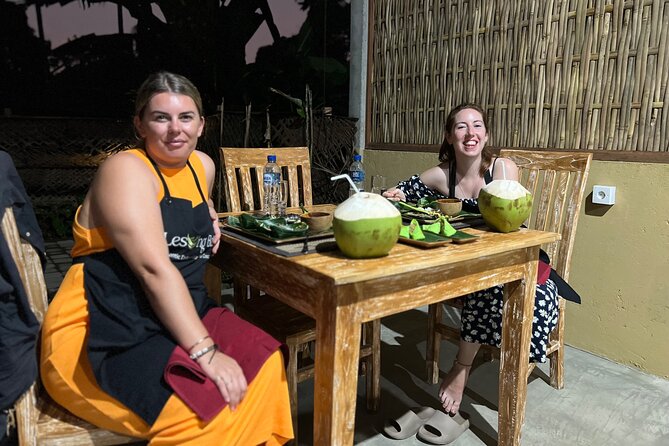
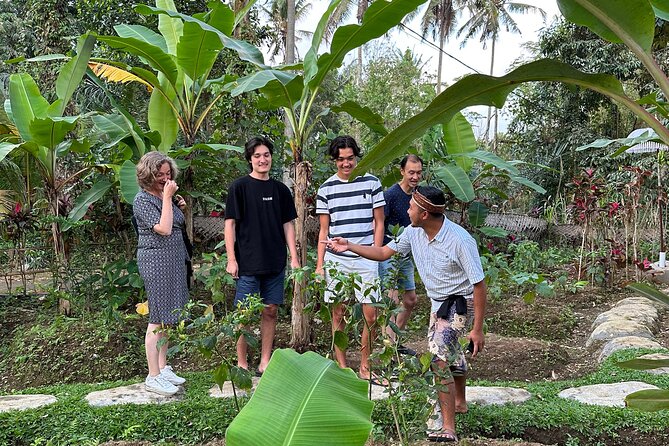
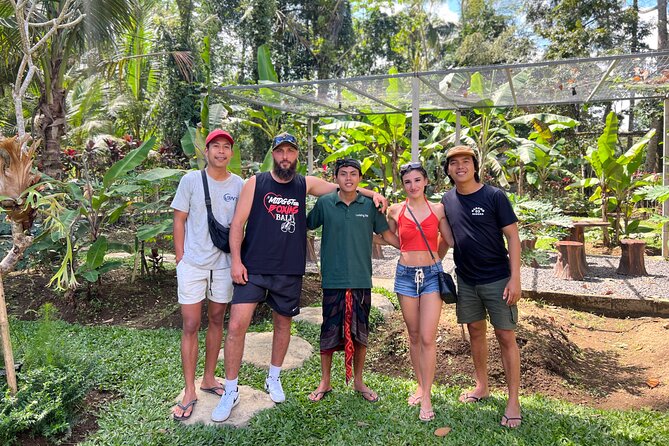
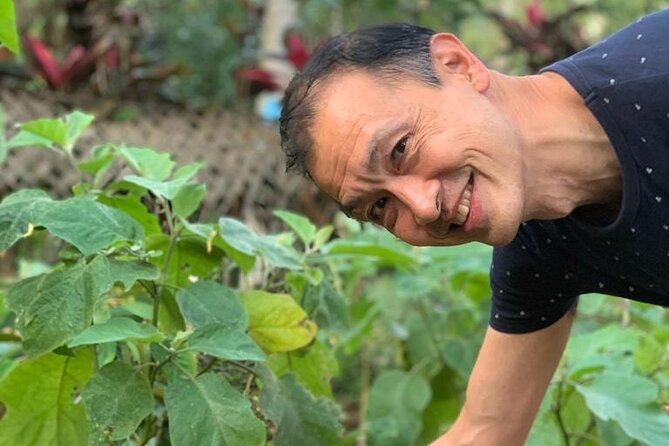
The farm portion is one of the best parts because it makes the lesson concrete. You’ll explore the farm first, then harvest spices that you’ll use during your class menu. This is more than a scenic break. You’re learning which ingredients show up in Balinese cooking and how they’re gathered.
You’ll also get a sense of why freshness matters. Balinese spice pastes depend on texture and aroma. When you’re using ingredients you picked yourself, the scent hits differently, and it changes how seriously you take each step—especially when you’re pounding.
What to expect during this stage is simple: movement, looking around, and active participation. If you plan ahead, you’ll feel more comfortable. Wear clothes you don’t mind getting a little dusty (the farm setting is outdoors), and keep your focus on the process rather than trying to get perfect photos nonstop.
Your Balinese cooking lesson: menus, lesung pounding, and banana leaf prep
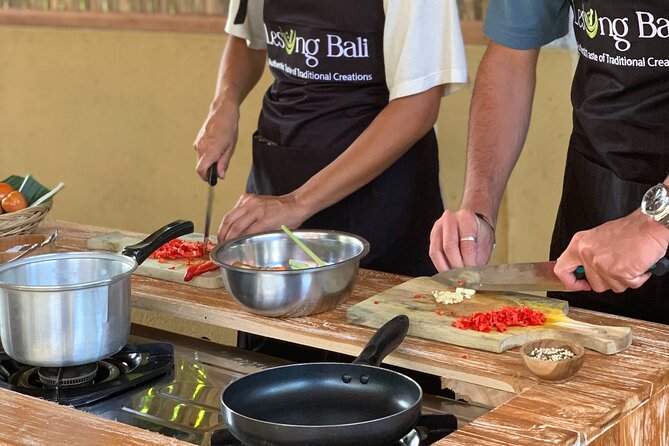
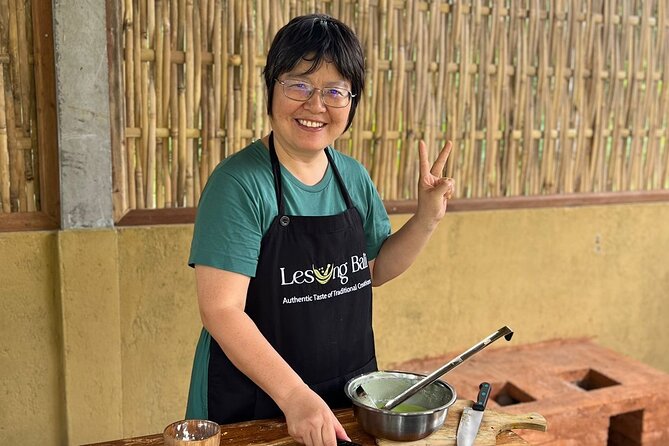
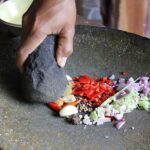
Once you settle into cooking mode, the class becomes very hands-on. You’ll decide on the menu, then follow the chef’s lead step by step with fresh ingredients. You’ll learn Balinese techniques, including chopping and pounding spices using a lesung (mortar and pestle). That pounding step is a core flavor-builder. It’s how the spices release oils and blend into pastes that taste deep instead of jagged.
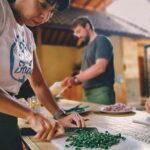
During the lesson, your chef explains what’s going into your dishes and how to cook them based on the menu you choose. You’ll also have the option of different menus, including vegetarian, and you can select which one fits your preferences during the class.
A detail I really like: you’re not just copying a list. The chef talks through techniques and intent—what to aim for, what each ingredient contributes, and how Balinese flavors are built. Even if you don’t remember every detail, you’ll leave with a mental model for how the dishes come together.
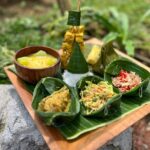
You’ll also be working with Balinese food traditions like preparing items in banana leaves. That’s one of those “you have to see it in action” things. It’s practical too: banana leaves help keep food aromatic and moist while cooking.
More farm and village cooking classes

Lunch and coffee/tea: eating what you made
The class includes lunch, and that’s the part most people remember long after the spices are forgotten. You’ll eat the dishes you prepared, not a generic buffet that has nothing to do with the lesson. That makes the meal satisfying in a different way. You can taste the difference that comes from the paste you made and the choices you followed.
You’ll also get bottled water and coffee and/or tea. It’s a small thing, but it keeps you comfortable when you’re spending several hours working and cooking.
One practical benefit: you receive a recipe (PDF). That helps you translate your memory into something you can actually cook again at home. If you’ve ever returned from Bali with “I totally remember the steps” confidence and then lost the recipe the next week—this is your safety net.
Groups, timing, and getting value out of the $49 price
At $49 per person, this class can be a very good deal, mainly because it bundles the stuff that usually costs extra when you do it separately. You’re not just paying for cooking instructions. You’re paying for:
- pickup and drop-off in the Ubud area
- an air-conditioned vehicle
- lunch, bottled water, and coffee/tea
- cooking utensils and an apron
- a recipe PDF
So you’re covering transportation, meals, and lesson materials in one package. That’s where the value lands.
Two timing tips help you get the most out of it:
- Choose your departure time based on your energy. The full experience is about 5 hours, and the morning version adds market time plus home and farm steps.
- If you’re trying to pack Ubud tightly with other tours, keep buffer time. This day is structured, and the stops are part of the learning.
Also note transport extras outside Ubud: Sanur can add extra per car, and other farther areas add more. If you’re staying outside Ubud, estimate that cost early so the real total matches your budget.
Who should book this Balinese cooking class?
This is a strong fit if you want a cooking class that feels tied to Bali instead of isolated in a studio kitchen. You’ll like it if you enjoy markets, basic cultural context, and learning techniques you can repeat later (especially spice pastes made with a lesung).
It’s also a good choice for people who are picky about vegetarian food. The class offers vegetarian menu options, and you can choose during the class. That flexibility matters because it keeps you from feeling like you’re watching someone else enjoy the meal.
You might think twice if:
- You want only cooking and nothing else. This has several cultural stops before you cook.
- You don’t want a multi-stop day. The experience runs about five hours and includes market/home/farm components.
- Weather is unpredictable for your dates, since the experience requires good weather. If conditions aren’t right, you may be offered an alternative date or refund.
Should you book Bali Natural Tours for an Authentic Balinese cooking class in Ubud?
I’d book it if you care about more than just eating a nice meal. The best part of this class is how it links ingredients to technique to culture: market spices (morning), a home visit that explains how daily life and ritual overlap, then a farm harvest, and finally a lesson built around real Balinese methods like pounding pastes in a lesung and cooking in banana leaves.
If you’re staying in Ubud and want a compact, well-structured way to experience Balinese food culture, this is a smart use of your time. For the few extra transport fees outside Ubud, it can still be worth it—just do the math first.
Go with a hungry mindset and a willingness to learn steps. You’ll leave with food you helped make, a recipe you can use later, and a clearer sense of why Balinese cooking tastes the way it does.
FAQ
How much does the Balinese cooking class cost, and how long is it?
The class costs $49.00 per person and lasts about 5 hours.
Do you offer pickup and drop-off in Ubud?
Yes. The experience includes pick-up and drop-off for the Ubud area, with transport in an air-conditioned vehicle.
Is lunch included?
Yes. Lunch is included, along with bottled water and coffee and/or tea.
Are vegetarian menu options available?
Yes. You can choose from menu options, including vegetarian, during the class.
What is the group size?
The maximum group size is 15 travelers.
What happens if weather is bad or I need to cancel?
The experience requires good weather. If it’s canceled due to poor weather, you’ll be offered a different date or a full refund. You can cancel up to 24 hours in advance for a full refund.
More Bali Reviews & Picks


More Farm & Village Cooking
More Around Ubud & the Monkey Forest
Still deciding? More Bali days reviewed, from volcano sunrises to island crossings










Ubud, Monkey Forest & Campuhan, compared.
 ★ 5.0All-Inclusive Ubud Private TourFrom $10014,344 reviews
 ★ 5.0Best of Ubud Full-Day Tour with Jungle SwingFrom $568,571 reviews
 ★ 5.0Ubud: Monkey Forest, Jungle Swing, Rice Terrace, and Water TempleFrom $317,160 reviews
 ★ 5.0Best of Ubud 1-Day Private TourFrom $544,451 reviews
 ★ 4.4Ubud Palace Legong Dance Show TicketFrom $63,979 reviews
 ★ 5.0Body Massage Experience in Ubud Traditional SpaFrom $213,506 reviews
 ★ 4.4Ubud Kecak and Fire Dance Show TicketsFrom $62,631 reviews
 ★ 5.0Ubud Cooking Class Bali with Balinese ChefFrom $351,609 reviews
Browse the lists this tour appears in