
Reviewed · UBUD, MONKEY FOREST & CAMPUHAN
Evening Cooking Class with Romantic Dinner in Ubud
A cooking class that turns Ubud into your kitchen. This one mixes real farm-to-table ingredients with a first-hand look at Balinese daily life, then ends with a candlelit romantic dinner you can actually savor (and not just watch). I love the way the experience connects where the food comes from to how it gets made, all in a calm west-Ubud countryside setting.
I also like the human touch: the class is led by Ron at Lesung Bali, and his humor and welcoming energy make the whole evening feel relaxed instead of stiff. One thing to consider is logistics: pickup is included only for hotels in the Ubud area, and if you’re farther out you’ll need extra transport (and there’s also weather dependence mentioned by the operator).
In This Review
- Key Highlights at a Glance
- Why This Ubud Evening Cooking Class Feels Different
- Pickup, West Ubud Timing, and the Small-Group Advantage
- The Balinese House and Garden Stop: Learning How Life Is Organized
- Farm Visit and Spice Harvesting Before You Cook
- Cooking Like a Balinese: Lesung, Techniques, and a Chef’s Teaching Style
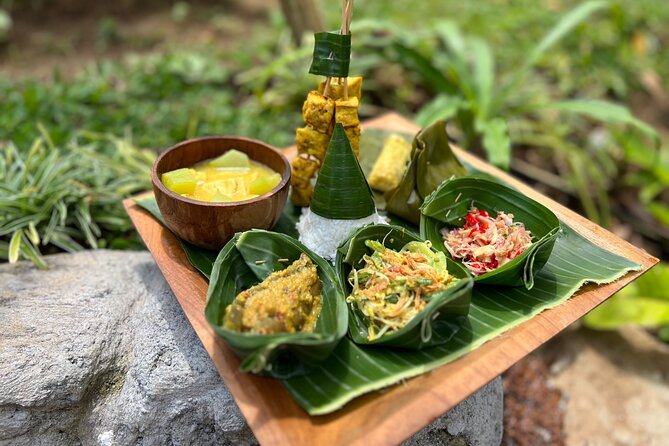
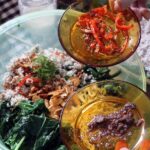
- What You’ll Make and Eat: Banana-Leaf Fish, Meatball Soup, and Palm-Sugar Crepes
- The Candlelit Dinner: Turning Your Work Into a Romantic Meal
- Price and Value: Is $45.82 Worth It?
- Who This Is Best For (and Who Might Skip It)
- Quick Practical Tips Before You Go
- Should You Book This Ubud Evening Cooking Class?
- FAQ
- FAQ
- How long is the evening cooking class?
- Is hotel pickup included?
- What’s included in the price?
- What if I’m staying outside Ubud?
- Is the class limited to a small group?
- Do they offer vegetarian menus?
- What dishes will I likely cook?
- Is the romantic dinner included?
- What happens if the weather is bad?
Key Highlights at a Glance
- West Ubud countryside setting with a quieter, greener feel before the cooking starts
- Balinese house and garden visit to understand how homes and buildings are set up
- Farm visit plus spice harvesting, so you cook with ingredients you helped gather
- Hands-on Balinese techniques using a lesung mortar and pestle for pounding spices
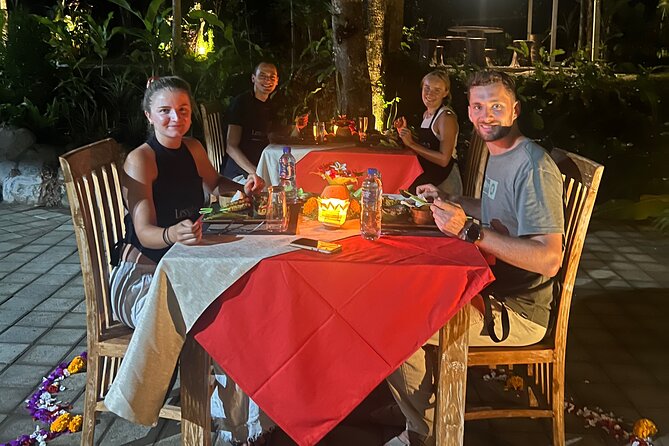
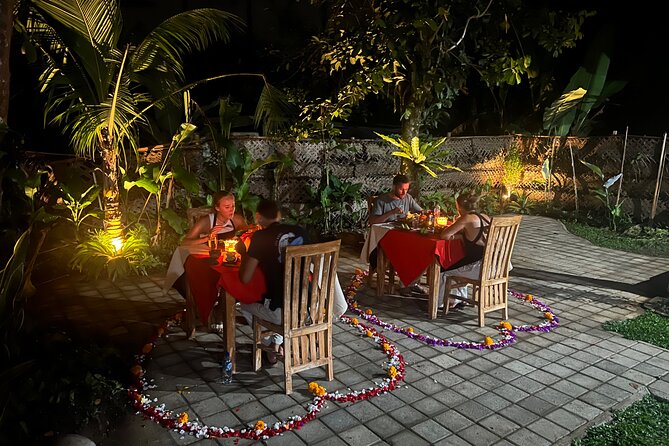
- A romantic candlelit dinner to finish the night on a high note
- Small group (max 15) for more attention from the chef and smoother pacing
Why This Ubud Evening Cooking Class Feels Different
Most cooking classes in Bali teach recipes. This one teaches context. You’re not just chopping and steaming—you’re seeing how Balinese people live and where the flavors start. The evening flows from a local house and garden stop to a working farm where you harvest spices, then into the kitchen where a Balinese chef teaches techniques and menus you can choose in advance.
I like that it’s built around a full arc: learn, gather, cook, eat. That matters when you’re visiting a busy place like Ubud. Instead of squeezing in one activity, you get a story you can taste.
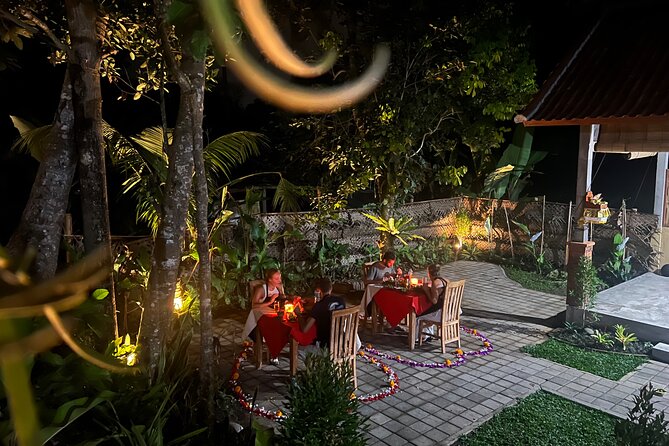
And yes, the dinner part is designed to feel special. It’s candlelit and served after the cooking class, which turns the evening into something more personal than a standard restaurant meal.
More around Ubud, from the Monkey Forest to the Campuhan ridge



Pickup, West Ubud Timing, and the Small-Group Advantage
The class runs about five hours, and it’s paced for an evening schedule. You’ll get picked up and dropped off within the Ubud area, with a private car used for that transfer. If you’re staying central in Ubud, that’s a real time-saver. You also avoid the hassle of organizing transport to a more countryside-leaning part of town.
The location is on the west side of Ubud, where the vibe shifts from shops and roads to more green, countryside air. That small shift changes how the experience feels when you walk in. You’re more likely to settle in, get calm, and focus on the cooking.
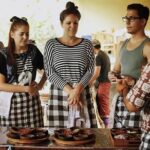
Another practical win: it’s capped at 15 travelers. In a group this size, you’re not watching everything from the sidelines. You can ask questions, pass ingredients, and follow what the chef is doing without the class feeling like a factory line.
The Balinese House and Garden Stop: Learning How Life Is Organized
Before you even hit the farm, you visit a local house and garden. This is where you get the cultural background that actually helps you understand what you’re about to cook. You’ll see how Balinese people think about the building placement and how the home relates to daily life outdoors.
Even if you don’t know anything about Balinese layout coming in, this stop helps you slow down and look around. You’ll likely notice that nothing feels random. Gardens aren’t just decoration here; they’re part of how life functions.
A possible drawback: if you’re the kind of person who only wants hands-on food time, this cultural stop might feel like it takes up part of your evening. But it’s not long, and it pays off once you’re on the farm and learning about ingredients and cooking methods.
Farm Visit and Spice Harvesting Before You Cook
Then you head to the farm. Here you choose or finalize the menu for what you’ll cook, and you start harvesting the spices you’ll use later in the class. This is the part I think most people underestimate: when you’ve gathered aromatics yourself, you pay attention to them differently while cooking.
You’ll explore the farm and learn how the ingredients tie into Balinese flavors. The day-to-night connection is clear: spices and produce aren’t just items in a market display. They’re living crops that need care, and they have seasons.
One more practical note: doing a farm-to-class flow works well in the evening because it keeps the energy going. You go from walking around in fresh air to cooking with fresh ingredients without the “we’re done outside now” feeling.
Cooking Like a Balinese: Lesung, Techniques, and a Chef’s Teaching Style
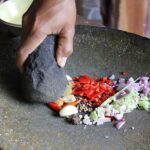
In the cooking session, the chef teaches you authentic Balinese techniques with fresh ingredients you already helped pick. One of the most memorable tools mentioned is the lesung—a mortar and pestle used for pounding spices. That’s not just theater. Pounding changes texture and releases oils and aromas in a way that’s hard to replicate with a quick chop.
You’ll learn how Balinese-style cooking handles prep: chopping, pounding, and then working with the right amounts for the dish you picked. The chef also explains what ingredients are needed and how they fit together for your menu option.
I like this approach because it’s not only about memorizing steps. You’re taught how to think about flavor building and how technique affects the result. That helps even if you don’t cook much at home after your trip.
And Ron’s role seems to matter here. Multiple details point to him being the kind of host who keeps things friendly and funny—so questions feel welcome and the class doesn’t feel formal. It also sounds like there’s a bit of a pre-cooking start, such as tea and welcome snacks, which helps you settle in before you get busy at the stove.
More farm and village cooking classes

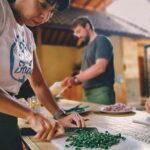
What You’ll Make and Eat: Banana-Leaf Fish, Meatball Soup, and Palm-Sugar Crepes
The menu is the heart of the evening, and it’s designed so you eat like a local—not just like a cooking class student. Your dishes can include traditional favorites such as:
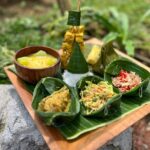
- Steamed fish wrapped in banana leaf
This style keeps the fish moist and lets the aroma of banana leaf work with the spices.
- Chicken meatball soup
A comfort-food choice that’s practical because you learn soup seasoning and structure, not just one-off frying.
- Crepes with palm sugar and grated coconut
This gives you the sweet side of Balinese cuisine, with palm sugar bringing a warm caramel-like flavor and coconut adding texture.
You’ll also cook additional dishes based on the menu option you select. Vegetarian choices are available, which is important if you don’t eat meat or if you’re traveling with someone who prefers meat-free meals.
If you’re wondering whether the dishes are beginner-friendly: the class is taught by a Balinese chef and focuses on techniques and ingredient handling. That makes it doable even if you’re not a confident cook. The pacing and small group size also help you keep up.
The Candlelit Dinner: Turning Your Work Into a Romantic Meal
After the cooking, you sit down for a candlelight dinner. This is where the experience gets emotional in a good way. You’re eating what you made, with context from the farm and the house stop still fresh in your mind.
The dinner is served along with drinks: there’s mineral water, a welcome drink and snacks, and even a bottle of beer included. For many people, that combo makes the evening feel complete rather than like you only got half a meal.
For couples, this is a strong match. The format is shared, there’s a romantic dining setting, and you’re not separating into solo activities. You also get conversation material: what spices you harvested, what tool the chef used, and what dish you found most surprising.
One thing to keep in mind: because it’s held outdoors or in open-air style spaces (weather-dependent is mentioned by the operator), conditions can shift. That’s normal for Bali. If it rains, the operator may offer a different date or a full refund, depending on how the situation is handled.
Price and Value: Is $45.82 Worth It?
At $45.82 per person, the price is competitive for a combo experience in Ubud: hotel-area pickup and drop-off, a private car, hands-on cooking with a chef, a farm visit with spice harvesting, and a candlelit dinner.
Here’s the value math that matters in real life:
- You’re not paying for one activity. You’re paying for a connected evening with multiple stops.
- You get more than a meal. You get instruction and technique (including the lesung-style spice pounding).
- Dinner isn’t an afterthought. It’s part of the design, served candlelit after you cook.
The only costs that can push this higher are out-of-area transport and optional add-ons like a photo (not included). If you’re staying in central Ubud where pickup is included, you’re likely to get the best value without extra fees.
Also, the fact that this is often booked around a month and a half in advance suggests it’s a popular evening plan. If your schedule is tight, it’s smart to lock it in early rather than assuming you’ll find space last minute.
Who This Is Best For (and Who Might Skip It)
This works especially well if you:
- Want a romantic Ubud evening that’s not just a generic dinner
- Prefer hands-on cultural experiences (food plus context)
- Like learning cooking techniques you can reuse at home
- Want a small group setting (max 15)
It’s also a good choice for couples because both people share the same guided journey: house visit, farm harvesting, cooking together, and then dinner afterward.
You might consider another option if you:
- Only want cooking time and would rather skip the house/garden learning component
- Are staying outside the included pickup zone and don’t want to think about transport add-ons
Quick Practical Tips Before You Go
A few things will help you enjoy the whole evening more.
- Wear clothes you don’t mind getting spice smells on. Pounding and handling spices can leave aromas on your hands and clothes.
- Expect hands-on prep. Even if you’re not the fastest chopper, you’ll still participate.
- If you’re vegetarian, make sure you choose the vegetarian menu option ahead of time so everyone can plan the cooking flow.
- If you’re sensitive to strong flavors or spice heat, it’s worth letting your chef know what level you prefer. The class is structured around menus, but taste adjustments are usually part of good teaching.
Should You Book This Ubud Evening Cooking Class?
I think you should book it if you want more than a cooking show. This is a full evening built around Balinese life: house and garden context, farm spice harvesting, chef-led techniques like pounding with a lesung, and then a candlelit dinner you can actually enjoy because you understand what’s on the plate.
Skip it only if you’re chasing a purely fast, minimalist plan. The experience is thoughtfully longer than a quick meal, and it includes cultural stops. But if that sounds like your kind of Ubud evening, this one checks a lot of boxes for value and authenticity.
FAQ
FAQ
How long is the evening cooking class?
It’s about 5 hours.
Is hotel pickup included?
Yes, pickup and drop-off are included for hotels in the Ubud area.
What’s included in the price?
Pickup and drop-off in the Ubud area, private car, cooking class, candlelight dinner, mineral water, welcome drink and snacks, and a bottle of beer.
What if I’m staying outside Ubud?
Pickup and drop-off outside of Ubud are not included. Extra transportation is listed for Nusa Dua and Jimbaran, and Uluwatu has a separate extra transport amount.
Is the class limited to a small group?
Yes. The maximum group size is 15 travelers.
Do they offer vegetarian menus?
Yes. Vegetarian menu options are available.
What dishes will I likely cook?
The menu can include steamed fish wrapped with banana leaf, chicken meatball soup, and crepes with palm sugar and grated coconut, plus other dishes depending on the menu you choose.
Is the romantic dinner included?
Yes, a candlelight dinner is included at the end of the class.
What happens if the weather is bad?
The experience requires good weather. If it’s canceled due to poor weather, you’ll be offered a different date or a full refund.
More Bali Reviews & Picks



More Farm & Village Cooking
More Around Ubud & the Monkey Forest
Still deciding? More Bali days reviewed, from volcano sunrises to island crossings










Ubud, Monkey Forest & Campuhan, compared.
 ★ 5.0All-Inclusive Ubud Private TourFrom $10014,344 reviews
 ★ 5.0Best of Ubud Full-Day Tour with Jungle SwingFrom $568,571 reviews
 ★ 5.0Ubud: Monkey Forest, Jungle Swing, Rice Terrace, and Water TempleFrom $317,160 reviews
 ★ 5.0Best of Ubud 1-Day Private TourFrom $544,451 reviews
 ★ 4.4Ubud Palace Legong Dance Show TicketFrom $63,979 reviews
 ★ 5.0Body Massage Experience in Ubud Traditional SpaFrom $213,506 reviews
 ★ 4.4Ubud Kecak and Fire Dance Show TicketsFrom $62,631 reviews
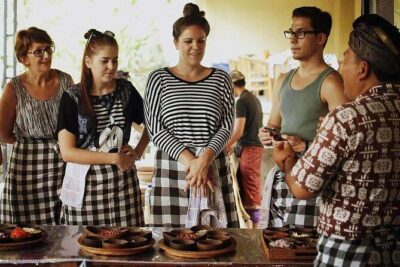 ★ 5.0Ubud Cooking Class Bali with Balinese ChefFrom $351,609 reviews
Browse the lists this tour appears in