
Reviewed · UBUD, MONKEY FOREST & CAMPUHAN
From Ubud: Authentic Cooking Class Visit Traditional Market
A market morning beats a restaurant plan.
This Ubud class mixes traditional ingredient shopping with hands-on Balinese cooking—from making spice pastes and sauces to plating a full meal. I especially like that it’s designed as a real food experience, not just a demo: you pick ingredients, cook them, and eat what you made.
One thing to consider: the whole program is about 3 to 3.5 hours, so you should expect a focused pace, including some walking and time spent shopping before you reach the kitchen.
In This Review
- Key highlights at a glance
- Market to meal: what makes this class feel real
- Celuk Village stop: craft energy before you cook
- Traditional market shopping: the part that changes everything
- Kitchen class: sauces, pastes, and a full meal you can repeat
- Farm tour: seeing the ingredients beyond the stall
- Art Village time: batik, carving, and smith work
- Price and value: what you’re really paying for
- Pickup, timing, and how to plan your day
- Who this cooking class suits best
- Should you book this Ubud market-to-cooking experience?
- FAQ
- How long is the cooking class experience?
- How much does it cost?
- Is pickup available?
- What’s included besides the cooking class?
- Do you get to eat what you cook?
- Can the class accommodate dietary needs?
- Is it a private tour?
- What language support is provided?
- How are you getting the recipes after the class?
Key highlights at a glance
- Traditional market ingredient picking so you cook with what’s actually fresh and in season
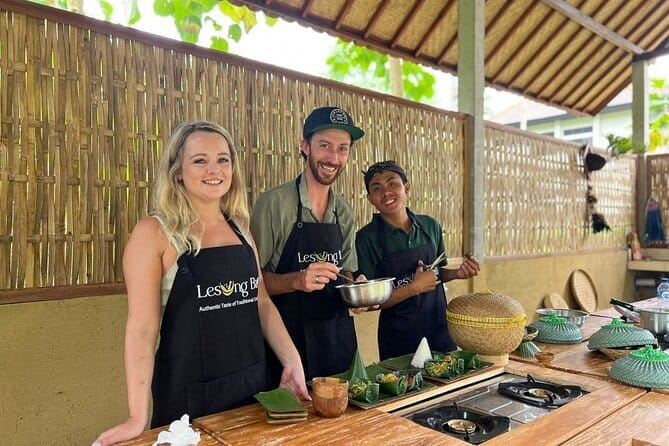
- Chef-led cooking focused on sauces, pastes, sides, and mains, plus a dessert
- Craft village time with traditional handicrafts like batik and wood carving, plus gold and silver smith work
- Farm tour included to connect ingredients to where they grow
- Dietary requests supported for dieters, vegans, and allergies (request during or before booking)
- Pickup from many Bali areas with a comfortable air-conditioned car
Market to meal: what makes this class feel real
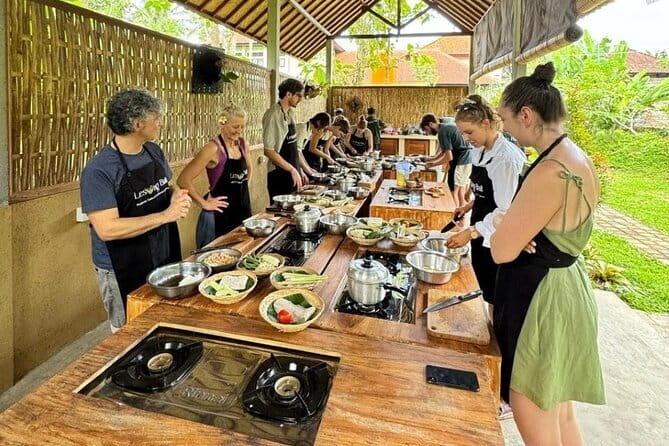
Balinese cooking makes sense when you start with ingredients, not recipes. That’s what I like here: you’re not just memorizing a list—you’re choosing items at a traditional market and then learning how to turn them into sauces, pastes, sides, and main dishes. It’s the difference between tasting a dish and understanding why it tastes that way.
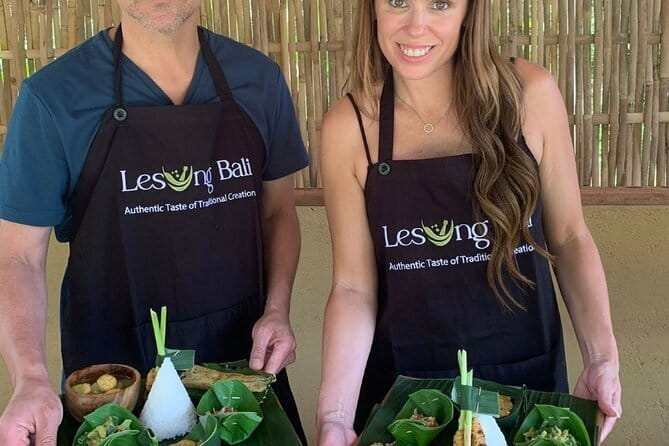
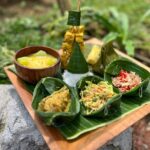
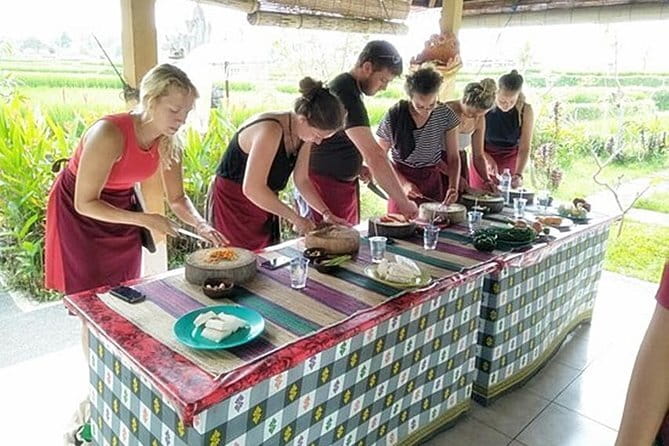
The class also gives you a complete meal structure: you’ll cook 5 dishes and 1 dessert. That matters because you’re not leaving with one nice appetizer and a “good luck with the rest” packet. You get enough food to eat well, and enough variety that you can recreate a few different flavors when you get home.
Another practical win is the meal support stuff that often gets missed in cooking tours. You’ll have a welcome drink and snacks, plus mineral water. And you’ll get a free recipe booklet and PDF recipe, which helps you translate what you learned into real-life cooking rather than guessing from memory.
More around Ubud, from the Monkey Forest to the Campuhan ridge



Celuk Village stop: craft energy before you cook
The itinerary includes a visit to Celuk Village (your first named stop). Even if you’re not shopping for souvenirs, this is a useful warm-up. Celuk is the kind of place where you can watch how tradition turns into something you can hold—handwork, tools, and people focused on craft.
What I’d watch for while you’re there is how the visit frames Bali as “made by people,” not “seen from afar.” Then you go into the cooking part with a better sense of why Balinese food is built on technique—same idea, different craft.
One small consideration: if you hate shopping stops or you’re short on patience for side errands, tell yourself this is brief cultural time, not a long market crawl. Use it to look, ask questions, and keep your focus on the cooking goal.
Traditional market shopping: the part that changes everything
The traditional market is the heart of this experience. You’ll go through and choose ingredients such as meats, fish, poultry, exotic spices, and tropical fruits. Even if you’re not buying anything extra, you’re learning what matters: what looks freshest, what’s fragrant, and what combinations are common in Balinese cooking.
This is where the class pays off for you later. When you learn a sauce or paste in the kitchen, you’ll already understand what the main players were in the first place. That means you won’t end up with a confused plate back home.
If you’re traveling with family, this market segment can also be a win. Kids (and adults) tend to remember the sights and smells more than a lecture, and it turns the cooking into a scavenger hunt. The challenge is simple: it’s an active environment, so wear shoes you’re okay walking in.
Kitchen class: sauces, pastes, and a full meal you can repeat
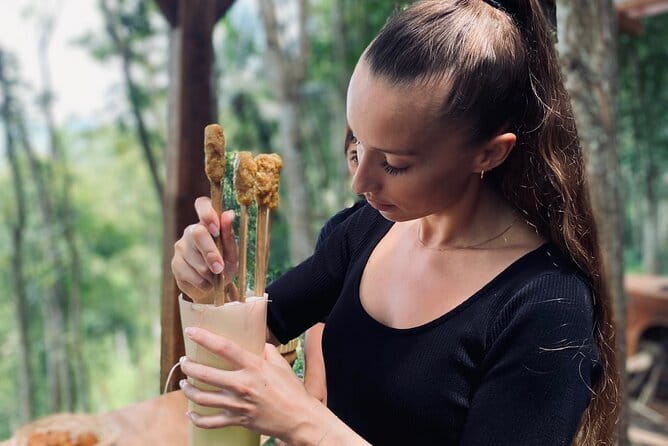
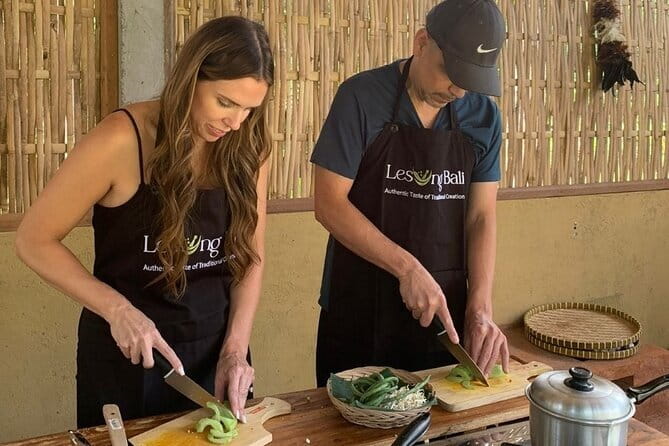
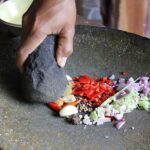
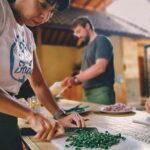
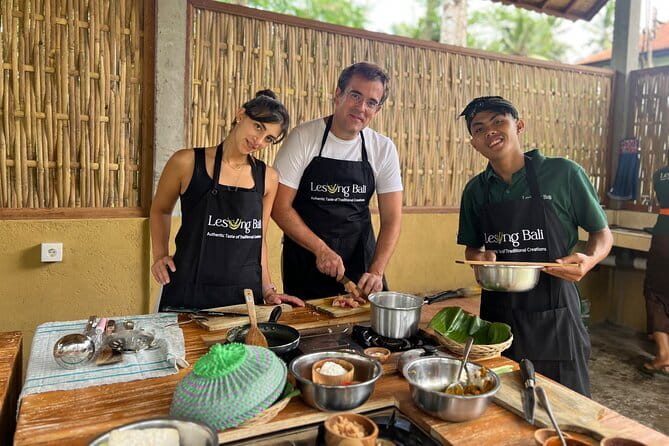
After ingredient shopping, you head into the kitchen for the hands-on part. This is where the instruction matters. The class is built around learning the art of making sauces and pastes, plus cooking side dishes and main courses. That focus is smart, because in Balinese food the base flavors often live in the paste and sauce.
You’ll also get to eat what you cook, which is the only way a cooking class should end. One of the best signs of quality in a tour like this is that people leave satisfied with the food, not just entertained for an hour. Reviews also mention that the chef experience can be very engaging—for example, one class highlighted Chef Ron as informative and funny, with delicious results. That kind of teaching style matters because it helps you remember techniques, not just outcomes.
Ask yourself what you want most from Bali cooking: a dish you can recreate at home, or a fun activity while you’re here. This class leans hard toward the first option, mainly because you’re learning core flavor-making steps and then practicing them.
Farm tour: seeing the ingredients beyond the stall
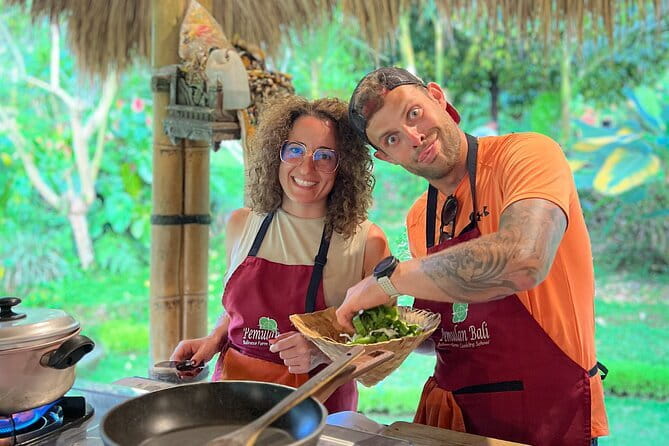
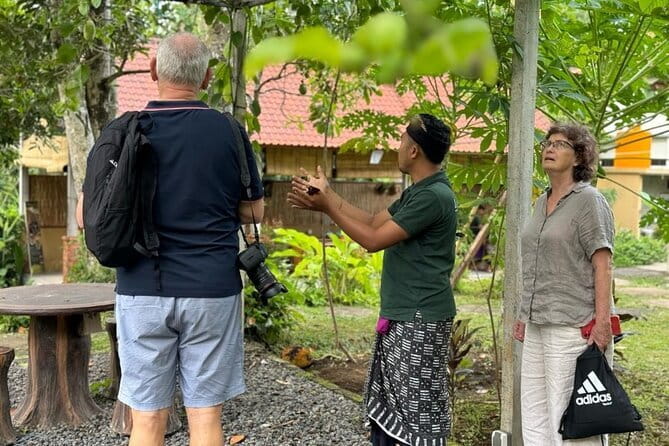
A farm tour is included, which is a nice bridge between shopping and cooking. The idea is simple: ingredients don’t appear out of nowhere. Even without specific farming details provided, the tour connects the dots between what you choose at the market and what grows on the island.
This stop also makes the cooking feel less like a performance and more like part of a food system. If you’re the type who likes to understand where things come from—spices, produce, the basics—you’ll appreciate this extra context.
If you’re short on time, don’t overthink it. Treat the farm tour as a “reset your brain” stop: it makes the cooking lessons more grounded, and it gives you one more layer of story for the dishes you’ll eat later.
More farm and village cooking classes

Art Village time: batik, carving, and smith work
At the end of the experience, you’ll visit an Art Village. This is where you’ll see traditional handicrafts such as batik, wooden carving, and gold and silver smithing. Even if you’re not shopping, this part is worth it because it shows how skilled work keeps its identity on Bali.
It also pairs nicely with cooking. When you watch crafts happen, you notice repetition and technique—small steps done correctly, again and again. That’s how paste-making and sauce-building works too. Same pattern: respect the process.
If you do want to buy something, give yourself a budget you’re comfortable with. The class is already value-heavy because it includes the cooking food and ingredients, so keep souvenir spending in check to make the day feel like a win, not a splurge spiral.
Price and value: what you’re really paying for
At $45 per person, this class can feel like a bargain once you look at what’s included. You get:
- Pickup service from multiple areas in Bali
- Transportation in a comfortable air-conditioned vehicle
- An English-speaking driver
- Market visit
- Cooking class (listed around 3.5 hours in the included details)
- Welcome drink and snacks, plus mineral water
- Farm tour
- All ingredients and the food you cook
- 5 dishes and 1 dessert
- A free recipe booklet and PDF recipe
When a cooking tour only includes the cooking part, you’re often paying for instruction and entertainment. Here, you’re also paying for the ingredient hunt, the full meal you’ll eat, and the supporting cultural stops. That’s why it’s easy to see why many people book this in advance; on average, it’s booked about 20 days ahead. If you’re choosing between multiple activities in Ubud, this is one of the few that gives you a full meal outcome.
Possible tradeoff: because it’s a full program, you’ll feel a bit of “schedule momentum.” If you want a slow, unplanned day, you might prefer something lighter. But if you want a structured day that ends with you eating what you cooked, this is a strong fit.
Pickup, timing, and how to plan your day
The experience lists pickup offered across a wide range of areas: Ubud, Kuta, Seminyak, Canggu, Legian, Jimbaran, Nusa Dua, and Sanur. That convenience matters because traffic in Bali can eat your plans fast. A good, on-time pickup also protects your cooking timeline, and reviews reflect that punctual, friendly drivers are part of the experience.
The total duration is listed as 3 hours (approx.), while included details mention a cooking class around 3.5 hours. Either way, you’re looking at a short, concentrated block. Plan a relaxed meal beforehand, or you’ll arrive hungry and rushed in the best possible way—then feel pleasantly satisfied when you sit down to eat.
Also note that confirmation is received at time of booking, and the tour uses a mobile ticket. And diets can be handled: you can request accommodations for dieters, vegan needs, and allergies either after you book or before the experience. If you have allergies, communicate clearly in your request so the kitchen knows what to adjust.
Who this cooking class suits best
This is a great match if you’re:
- Visiting Ubud and want something hands-on that doesn’t feel like a tourist show
- Cooking-curious and want techniques you can repeat later (especially pastes and sauces)
- Traveling as a couple or family who’d like one shared activity with a clear payoff
- A group that benefits from group discounts
- Someone who needs dietary adjustments, since requests for vegans, dieters, and allergies are supported
It may be less ideal if you’re looking for a long, leisurely day with lots of free time. This is a structured class: market, cooking, craft stops, and food. You’ll enjoy it more if you like getting a plan executed.
Should you book this Ubud market-to-cooking experience?
Yes—if you want a class that ends with a real meal and a set of skills you can take home. For the money, the best part is the combination: ingredient shopping at a traditional market, chef-led cooking of key Balinese flavor bases, and then 5 dishes plus a dessert you eat. Add in the craft stop and farm tour, and you get more than just cooking.
If you’re sensitive to a packed schedule or you prefer minimal walking, plan footwear and set expectations for a tight timeline. For most people, though, this is exactly the kind of day Bali does well: you learn, you taste, and you leave with a reason to cook again.
FAQ
How long is the cooking class experience?
It runs for about 3 hours approximately, with cooking class time listed as around 3.5 hours in the included details.
How much does it cost?
The price is $45.00 per person.
Is pickup available?
Yes. Pickup is offered from Ubud and many other areas including Kuta, Seminyak, Canggu, Legian, Jimbaran, Nusa Dua, and Sanur.
What’s included besides the cooking class?
Besides the cooking class, you’ll have a visit to a traditional market, a farm tour, a welcome drink and snacks, mineral water, and private transport in an air-conditioned car.
Do you get to eat what you cook?
Yes. The class includes enough food for you to eat, and you’ll cook 5 dishes and 1 dessert.
Can the class accommodate dietary needs?
Yes. The experience can cater to dieters, vegans, and allergies. You can request this after booking or before the experience.
Is it a private tour?
It’s listed as a private tour/activity, meaning only your group participates.
What language support is provided?
The included details list an English-speaking driver.
How are you getting the recipes after the class?
You receive a free recipe booklet and a PDF recipe.
More Bali Reviews & Picks



More Farm & Village Cooking
More Around Ubud & the Monkey Forest
Still deciding? More Bali days reviewed, from volcano sunrises to island crossings











Ubud, Monkey Forest & Campuhan, compared.
 ★ 5.0All-Inclusive Ubud Private TourFrom $10014,344 reviews
 ★ 5.0Best of Ubud Full-Day Tour with Jungle SwingFrom $568,571 reviews
 ★ 5.0Ubud: Monkey Forest, Jungle Swing, Rice Terrace, and Water TempleFrom $317,160 reviews
 ★ 5.0Best of Ubud 1-Day Private TourFrom $544,451 reviews
 ★ 4.4Ubud Palace Legong Dance Show TicketFrom $63,979 reviews
 ★ 5.0Body Massage Experience in Ubud Traditional SpaFrom $213,506 reviews
 ★ 4.4Ubud Kecak and Fire Dance Show TicketsFrom $62,631 reviews
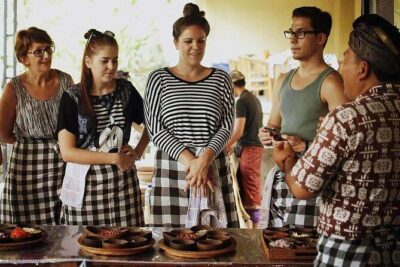 ★ 5.0Ubud Cooking Class Bali with Balinese ChefFrom $351,609 reviews
Browse the lists this tour appears in