
Reviewed · UBUD, MONKEY FOREST & CAMPUHAN
Gianyar Market Visit & Cooking Class in Ubud with Kadek & Putu
Food shopping turns into real cooking when you learn the why.
This Ubud experience starts at the Gianyar market, where Kadek and Putu guide you through regional fruits, vegetables, and herbs used in Balinese cooking. I love the hands-on pace, because you’re not just watching—you’re working the ingredients yourself. I also like the family-home setup, which keeps the day feeling personal instead of staged.
You’ll get a clear, practical lesson on how flavors come together, then you sit down and eat what you made. That matters because the food you cook becomes something you can actually repeat later, not just something you tasted once. One thing to consider: the day is designed for you to cook from scratch, so if you’re hoping for a light stroll-only class, this is more work than it is sightseeing.
In This Review
- Key points before you go
- Gianyar Market: where the flavors start
- Meet Kadek and Putu: a family cooking setup in Ubud
- The ingredient hunt: what you learn before the stove
- Hands-on cooking: from chopping to plate
- What that means for you
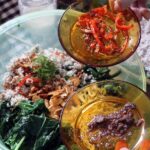
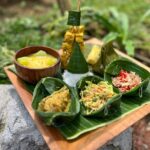
- What you’ll eat: Balinese dishes and dessert options
- Savory dishes you might make
- Dessert you’ll likely make
- Alcohol included
- Price and logistics: the real value of $80 in Ubud
- Who this class is best for (and who should think twice)
- Should you book this Balinese cooking class with Kadek & Putu?
- FAQ
- How long is the Gianyar market visit and cooking class?
- Is hotel pickup included?
- What food do I learn to cook?
- Is vegetarian food available?
- Is the experience private?
- Are drinks included?
Key points before you go
- Gianyar market lesson: learn which fruits, veggies, and herbs show up in Balinese meals
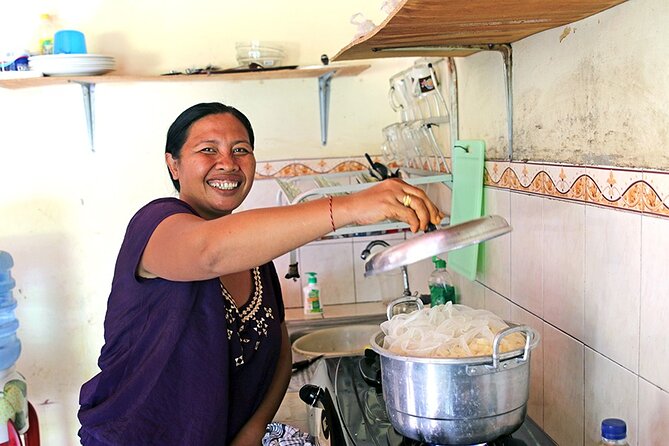
- Kadek & Putu’s family compound: a real home cooking setup, not a demo kitchen
- Hands-on from chopping to cooking: you’ll make the dishes, then eat them
- Seasonal ingredients and menu changes: your exact dishes may shift with what’s available
- Dietary flexibility: vegetarian is available, and choices can include vegan and meat options
- Ubud-only pickup/drop-off: included within Ubud, extra if your hotel is outside it
Gianyar Market: where the flavors start
The smartest part of this tour is also the simplest: you begin with the market, not with a spice bowl. Kadek picks you up from your Ubud hotel, then you head to Gianyar to meet the ingredients in the way locals actually use them.
In the market, you’ll focus on the building blocks of Balinese cooking—regional fruits, vegetables, and herbs. The goal isn’t to name 50 items for fun. It’s to understand what goes where and why the flavors make sense together. That’s especially useful if you like to cook at home, because you’ll remember the ingredient logic, not just the final taste.
This is also where you’ll see Bali’s everyday rhythm. Markets are busy, stalls repeat, and things move fast. Your guide keeps you from getting lost in the noise. I like that the experience is structured enough to feel clear while you’re still in a real, working place.
Tip to make it easier: wear comfortable shoes. You’ll be walking around and spending time looking closely at produce.
More around Ubud, from the Monkey Forest to the Campuhan ridge



Meet Kadek and Putu: a family cooking setup in Ubud
This is a private, personalized experience, so it’s just your group, not a rotating crowd. You’ll cook with Kadek’s sister Putu and members of their family inside their family compound. That matters because you’re stepping into a home routine, not touring a show kitchen.
Kadek plays two roles during the day: market guide and cooking collaborator. Putu is the key cooking presence, and the class approach is very practical. From what you’ll do, it’s clear they teach through doing—hands on from early prep stages onward.
If you’re interested, Kadek can also show you how local fruits and vegetables are grown at his home, a few doors down from his sister’s place. While you’re there, you may get a fresh juice made from seasonal fruits such as mulberry, passion fruit, papaya, mango, or jackfruit. This is a nice bonus because it connects the market shopping to where food comes from, in a way that’s easy to picture later when you’re cooking.
The ingredient hunt: what you learn before the stove
A big reason this class is worth the money (more on price later) is the ingredient breakdown. You’ll explore the market with the mindset of sourcing, then you’ll return and turn those ingredients into dishes.
You can think of it like this:
1) Learn what to buy and how ingredients work together.
2) Learn how to prep those ingredients correctly.
3) Learn how the cooking method shapes flavor and texture.
That sequence is powerful. If you’ve ever tried to recreate a dish at home and ended up with something that tasted close but not right, it’s usually because the process is missing. Here, the process is the lesson.
You’ll also get to taste items as you go. Some market stops are about learning; others are about confirming flavors. Either way, it keeps the day from becoming purely instructional.
Hands-on cooking: from chopping to plate
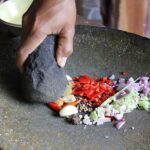
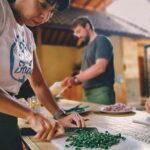
Back at the home kitchen, the class shifts into full practical mode. You’ll cook traditional Balinese dishes from scratch, and you won’t stay stuck in one role. Depending on your group and the number of dishes planned, you’ll likely do everything from chopping to cooking steps that build the meal.
This is one of the most praised parts of the experience: the teaching is hands-on, and you get support as you work. Instead of being left with a vague idea like add spices and hope, you’ll follow guidance step-by-step.
What that means for you
If you’re an experienced cook, you’ll appreciate that they explain ingredients in context. If you’re a beginner, you’ll still be able to follow along because the teaching style focuses on what you’re doing right now.
Also, the class doesn’t end when the stove cools. After cooking, you sit down and enjoy the meal you made. That’s not a small detail—eating your own food makes the techniques stick.
If you have dietary needs: tell them at booking. Vegetarian options are available, and you can ask about vegan/vegetarian vs meat choices. You should also mention allergies or restrictions in advance.
More farm and village cooking classes

What you’ll eat: Balinese dishes and dessert options
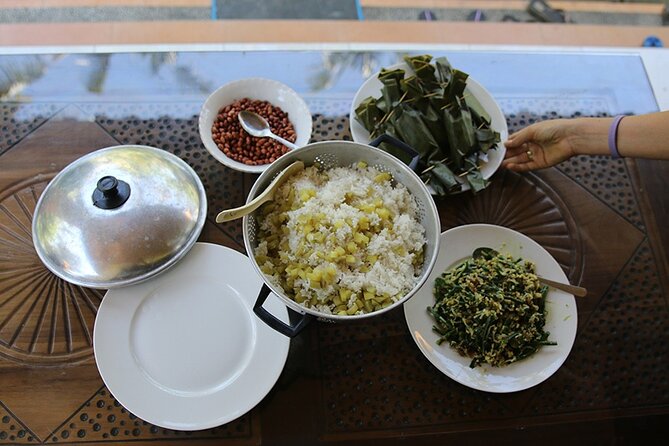
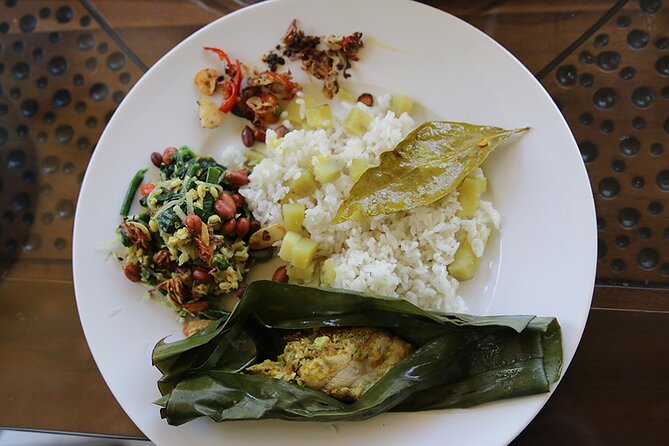
This meal is the point, so it’s good to know what kinds of dishes are on the menu. The exact lineup can change with the season, but expect classic Balinese comfort food and bold flavors.
Savory dishes you might make
Examples include:
- Piquant chicken satay
- Stir-fried vegetables
- Steamed fish
- Rice
- Fresh vegetable soup
You may see a slightly different set depending on what’s available. That’s normal here, and it’s also part of the value. Cooking classes that lock you into a fixed list often feel less grounded once you’re in a real market.
Dessert you’ll likely make
Dessert options can include:
- Black sticky rice pudding with fresh coconut cream
- Fried banana with grated fresh coconut and palm sugar
If you’ve never had black sticky rice pudding in Bali style, this is the kind of dessert that makes the rest of the meal feel complete. Coconut shows up in a big way, and the sweetness tends to be balanced rather than heavy.
Alcohol included
Alcoholic beverages are included. If that’s your thing, great. If not, you still get the full meal value, and you can simply skip drinks.
Price and logistics: the real value of $80 in Ubud
At $80 per person for about 4 hours, this isn’t the cheapest cooking class in Bali. But it also isn’t priced like a generic group event. You’re paying for a private setup (only your group cooks together), the market portion, and the fact that you’ll eat a full home-cooked meal at the end.
A few details that affect real-world value:
- Pickup/drop-off is included only within Ubud. If your hotel is outside Ubud, expect an added charge.
- Menu may vary by season, which is a feature, not a flaw, because it mirrors real ingredient availability.
- Group discounts are offered, so if you’re traveling with friends, you might get better per-person value.
When this becomes worth it:
- You want to cook after the trip, not just take photos.
- You care about ingredient logic and cooking technique.
- You prefer a home-cooking vibe over a crowded classroom.
When it might not be your best fit:
- You want a slow, sightseeing-heavy day with minimal effort.
- You’re staying outside Ubud and don’t want to deal with extra transport costs.
Free cancellation is available up to 24 hours in advance for a full refund, so you can book with less stress and still adjust if plans shift.
Who this class is best for (and who should think twice)
This tour fits best if you fall into one of these buckets:
- You cook at home and want reliable, repeatable technique.
- You like cultural experiences that focus on everyday life, not just monuments.
- You want a private class with real family hosts like Kadek and Putu.
- You have dietary preferences and need them handled with care (vegetarian is available; choices can include vegan and meat options).
It may be less ideal if:
- You’re traveling with someone who dislikes active cooking work. This is a make-and-eat day, not a spectator-only show.
- Your hotel is outside Ubud and you’d prefer not to pay extra for transport.
If you’re on a shorter Bali trip and want one cooking experience that connects market → kitchen → meal, this is a strong choice.
Should you book this Balinese cooking class with Kadek & Putu?
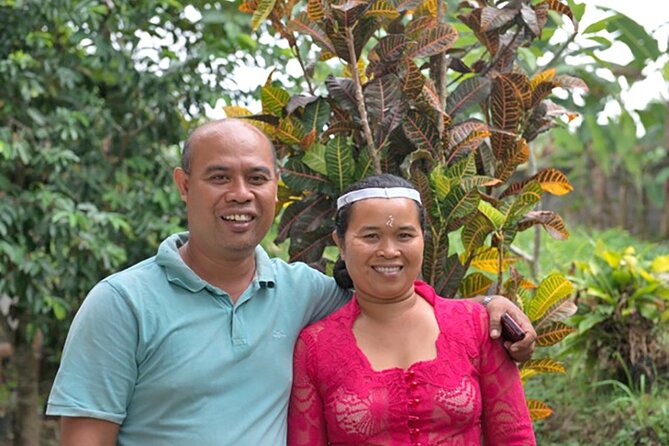
Yes, if you want the kind of cooking class where you leave with more than recipes—you leave with a clearer understanding of ingredients and methods. The market visit in Gianyar is not an add-on. It’s the foundation, and Putu and Kadek’s family setup makes the lesson feel grounded.
Before you book, double-check two things:
1) Your hotel is within Ubud for included pickup/drop-off.
2) Your dietary needs and allergies are clearly stated at booking so the kitchen can plan accordingly.
If those boxes fit your trip, this class is one of the better ways to spend a few hours in Ubud—productive, tasty, and very practical for cooking back home.
FAQ
How long is the Gianyar market visit and cooking class?
The experience runs for about 4 hours.
Is hotel pickup included?
Pickup and drop-off to hotels in Ubud are included. If your hotel is outside Ubud, there is an additional charge, and you’ll need to provide your hotel name and address.
What food do I learn to cook?
You’ll learn traditional Balinese dishes from scratch, such as piquant chicken satay, stir-fried vegetables, steamed fish, rice, and fresh vegetable soup. Dessert can include black sticky rice pudding with fresh coconut cream or fried banana with grated fresh coconut and palm sugar.
Is vegetarian food available?
Yes. Vegetarian options are available if you advise at booking. Dietary restrictions and allergies can also be shared at booking.
Is the experience private?
Yes. It’s a private, personalized experience for your group only.
Are drinks included?
Alcoholic beverages are included as part of the experience.
More Bali Reviews & Picks



More Farm & Village Cooking

More Around Ubud & the Monkey Forest
Still deciding? More Bali days reviewed, from volcano sunrises to island crossings












Ubud, Monkey Forest & Campuhan, compared.
 ★ 5.0All-Inclusive Ubud Private TourFrom $10014,344 reviews
 ★ 5.0Best of Ubud Full-Day Tour with Jungle SwingFrom $568,571 reviews
 ★ 5.0Ubud: Monkey Forest, Jungle Swing, Rice Terrace, and Water TempleFrom $317,160 reviews
 ★ 5.0Best of Ubud 1-Day Private TourFrom $544,451 reviews
 ★ 4.4Ubud Palace Legong Dance Show TicketFrom $63,979 reviews
 ★ 5.0Body Massage Experience in Ubud Traditional SpaFrom $213,506 reviews
 ★ 4.4Ubud Kecak and Fire Dance Show TicketsFrom $62,631 reviews
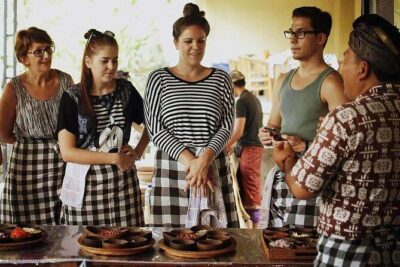 ★ 5.0Ubud Cooking Class Bali with Balinese ChefFrom $351,609 reviews
Browse the lists this tour appears in