
Reviewed · NUSA PENIDA ISLAND HOPPING
Nusa Penida Try Scuba Diving Program – for Non-Certified Divers
Breathing underwater stops being scary here. I like the pool-first training and the small group setup (no more than two participants per instructor). The main catch is the entry tests: you need to swim 200 meters and float 10 minutes in deep water, and you should have no ear/sinus or respiratory issues.
You’ll get a 30–40 minute briefing on breathing, equalisation, equipment, and safety, then you practice the basics in the pool before going out. In the water, instructors keep you closely supervised, with a maximum depth of 12 meters and a typical session of 35–55 minutes (air use decides the exact timing).
At $120 for about four hours, this is one of the more budget-friendly ways to find out if scuba is for you—without the time and expense of full certification. The day starts at 10:30 am from Pure Dive Resort in Nusa Penida, and you’re back at the same meeting point after.
In This Review
- Key things I’d watch before you go
- Where Pure Dive Resort fits into your Nusa Penida day
- Your full schedule: from briefing room to the reef
- 1) Check in and the 30–40 minute safety briefing
- 2) Purpose-built pool practice (with a mandatory swim/float test)
- 3) Equipment check and heading to the boat
- 4) The open-water underwater session: max 12 meters, 35–55 minutes
- Why the instructor ratio is the real selling point
- What you’ll actually see around Nusa Penida
- Gear and insurance: what you’re paying for (and what you’re not)
- Who this is best for (and who should pause)
- Logistics that actually matter: time, depth, and the weather factor
- Should you book Nusa Penida try scuba with Pure Dive Resort?
- FAQ
- How long is the try scuba diving program in Nusa Penida?
- What time does it start?
- Where does the experience meet and end?
- Do I need scuba certification to join?
- Is a mask provided?
- What swim ability tests are required?
- How deep will I go during the open-water part?
- Is a dive computer included?
Key things I’d watch before you go
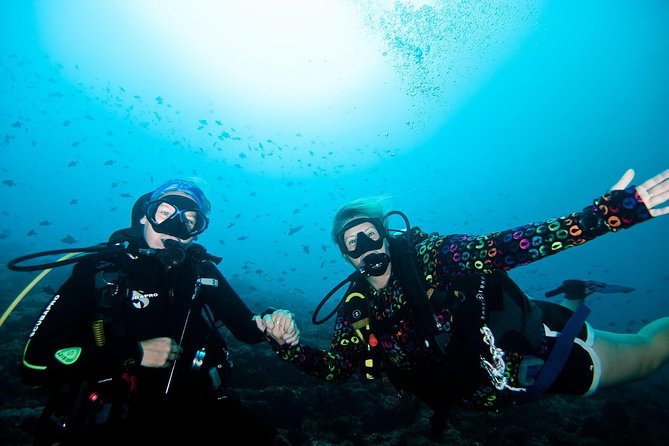
- Pool training first: you practice breathing and simple skills before you head out to the reef.
- Strict supervision: maximum two participants per instructor in open water.
- Clear safety limits: max depth capped at 12 meters.
- Underwater time is flexible: your session usually runs 35–55 minutes depending on air.
- Gear is included (no mask purchase): all standard scuba gear is provided.
- You’ll be tested: a 200-meter swim and a 10-minute float are mandatory.
Where Pure Dive Resort fits into your Nusa Penida day
This half-day try-scuba program is based out of Pure Dive Resort on Nusa Penida, with the meeting point at Jl Ped – Buyuk, Ped, Nusa Penida (back near the beach area). The schedule is tight but not rushed: about four hours total, starting 10:30 am.
What I like about this setup is that you’re not left hanging between steps. You meet your team, get your briefing, do pool practice, then the boat is ready and waiting across the road right near the beach. That flow matters when you’re first-timing scuba. Too often, intro programs feel like a long wait followed by a short, stressful moment. Here, the structure is clear and safety-led.
Also, this isn’t a big group cattle-call. The activity caps at 10 travelers, and in open water you’ll be with at most two participants per instructor. That ratio is a big deal for comfort: you get more attention, and you can move at the pace of learning instead of performing.
More island days across Nusa Penida and the Nusa islands
- ️Nusa Penida by Private Boat – Snorkeling 4 spots, Swim with Mantas + Land Tour
★ 5.0 · 6,424 reviews
Your full schedule: from briefing room to the reef
Here’s the typical rhythm, and why each step matters.
1) Check in and the 30–40 minute safety briefing
Your day begins with a detailed 30–40 minute briefing. You’ll cover the whole experience: how breathing works underwater, equalisation, equipment basics, and safety rules. For first-timers, this is where a lot of the fear gets handled—because you understand what your body is expected to do before you try it.
If you’ve ever wondered whether you can really learn breathing underwater in a short session, the briefing helps answer that. The program isn’t “here’s a tank, good luck.” It’s instruction first, then practice.
2) Purpose-built pool practice (with a mandatory swim/float test)
Next comes the pool. This is a key feature: it’s a purpose-built scuba training pool, not a random water area.
Before you start learning breathing underwater, you must pass two tests:
- Swim test: 200 meters
- Float test: 10 minutes while in water too deep to stand
I like that these tests are specific and non-negotiable. It keeps the experience safer for everyone. It also means the team is filtering for real comfort in the water—so you’re less likely to end up paired with someone who’s not ready for even the first skills.
After you pass, you practice breathing underwater and then tackle simple underwater skills under the certified instructor. The skills mentioned include clearing water from your mask—exactly the kind of thing that turns panic into routine once you do it once in a controlled space.
3) Equipment check and heading to the boat
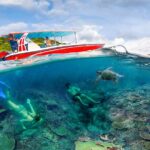
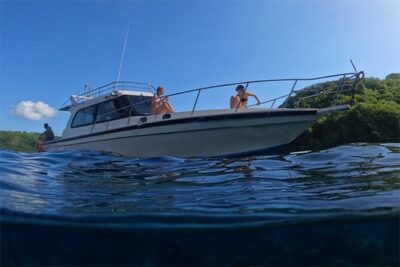
Once you’ve completed the pool practice successfully, you’re set to go out. Boats are waiting across the road right on the beach, followed by a short ride to the underwater location that has the best conditions at the time.
That “best conditions right now” approach is practical. Sea state and visibility can change quickly in Nusa Penida waters. A short transfer also helps keep your energy up after pool practice.
More scuba trips, from the Tulamben wreck to Menjangan
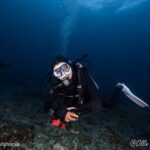
4) The open-water underwater session: max 12 meters, 35–55 minutes
In open water, your instructor keeps you supervised at all times, with a maximum depth of 12 meters. Your session typically lasts 35–55 minutes, depending on air consumption.
Why this timing range matters: for first-timers, going longer doesn’t always equal going better. You’ll likely spend time focusing on breathing, buoyancy, and comfort. A controlled depth and a realistic air-time plan tend to produce calmer, more memorable underwater moments.
Why the instructor ratio is the real selling point
The program’s standout safety detail is the ratio: no more than two participants per instructor in open water. For a “try” experience, that’s exactly what you want.
When you’re learning scuba, the big risks are usually not “technical.” They’re human: confusion, panic, poor buoyancy habits, or gear problems that take time to fix. A small ratio means the instructor can watch your breathing, body position, and equipment closely—so mistakes get corrected early.
It also makes the experience feel more personal. One of the themes in the feedback I saw is that instructors were patient and present step-by-step. Names that came up include:
- Budi: praised for patience and clear teaching, especially for first-timers who were nervous about the ocean.
- Axel: specifically noted for being with people every step of the way before and during the underwater session.
- Denis: recognized for teaching useful new skills even to people who weren’t brand-new.
That “with you the whole time” feeling is what turns a learning day into a confidence builder.
What you’ll actually see around Nusa Penida
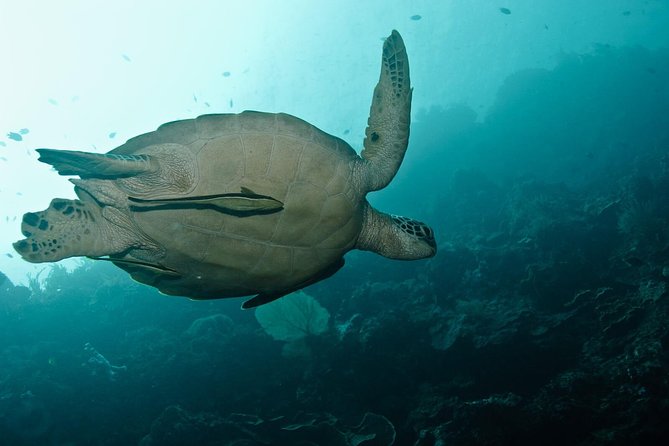
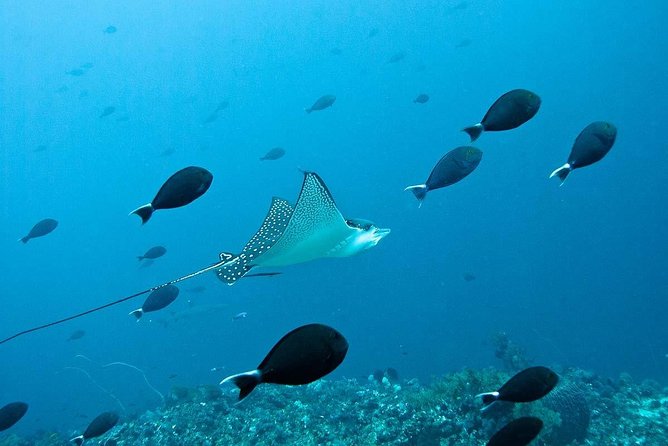
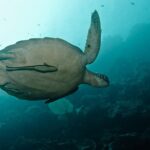
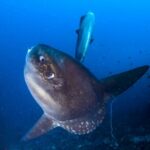
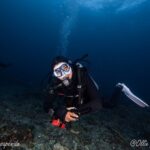
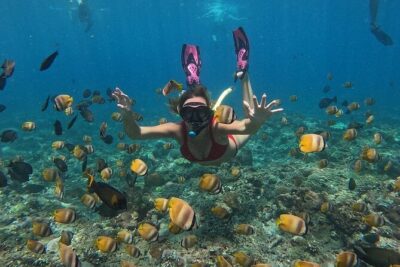
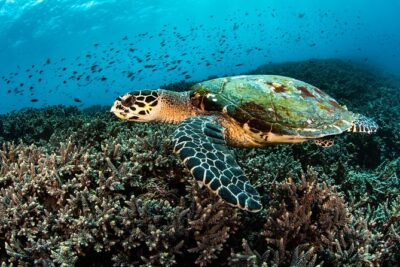
This program is designed for reef viewing while staying within safe beginner parameters. You’ll head to a coral reef area around Nusa Penida and get close with coral and tropical fish.
For many first-timers, the best part isn’t just seeing fish—it’s realizing you can control your breathing and move slowly without rushing. One reviewer described the underwater world as like a live show. I’d put it the same way: the marine life feels active, and even short time underwater can feel like a full scene.
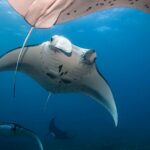
There’s also a chance of standout sightings. In the feedback, there was mention of manta rays showing up during a first-time outing. Manta rays tend to use specific cleaning stations, so they’re not random—but when conditions line up, they can appear. Plan for coral and fish as the reliable “yes,” and treat manta rays as a nice bonus.
Gear and insurance: what you’re paying for (and what you’re not)
Let’s talk value. The price is $120 per person, for about four hours including instruction, pool training, gear support, and diving insurance.
Included:
- A full set of standard scuba gear
- All fees and taxes
- Diving insurance
Not included:
- A computer (you’ll want to rely on the instructor’s guidance and any basic console they use, but you should plan that the computer itself is not part of the package)
One “small” thing that matters for cost: you don’t need to buy a mask. The program states that basic gear is included and you won’t have to invest in a mask. For first-timers, that’s a real saving, because masks are often the most annoying piece of gear to guess at size and fit.
Also, you’re paying for structure. The pool test and skill practice reduce the odds of chaos later. If you’ve looked at full certification courses, you’ve probably noticed they’re long and expensive. This program is purpose-built for trying scuba safely, which is exactly why it can be good value even if you’re only in the water for about an hour.
Who this is best for (and who should pause)
This experience is labeled for non-certified participants, so it fits best when you want to try scuba with direct supervision rather than jumping into full training.
You’ll need:
- Moderate physical fitness
- Reasonably good health
- No issues with respiratory system, sinuses, or ears
- Ability to swim 200 meters and float 10 minutes in deeper water
So who should book?
- First-timers who want a coached, safety-led introduction
- People who feel nervous about the ocean and want a controlled path (pool first, then supervised reef time)
- Anyone who’s curious about scuba but doesn’t want to commit to full certification right away
Who should think twice or check with a medical professional first?
- Anyone who can’t comfortably swim 200 meters
- Anyone who can’t float for 10 minutes without standing
- People with ear/sinus/respiratory problems (these can affect equalisation and comfort underwater)
Logistics that actually matter: time, depth, and the weather factor
Start time is 10:30 am, and the activity ends back where you started at Pure Dive Resort.
Two practical points to keep in mind:
1) The schedule depends on conditions. The experience requires good weather. If it’s canceled due to poor weather, you’ll be offered a different date or a full refund. Also, it’s non-refundable and can’t be changed once booked.
2) Depth is controlled. The program caps your underwater time at a maximum depth of 12 meters. That’s helpful for first-timers because it keeps things within a manageable range while you learn breathing and buoyancy.
Should you book Nusa Penida try scuba with Pure Dive Resort?
I’d book this if you want a beginner scuba outing that takes safety seriously: pool practice first, clear breathing/skills training, and close supervision with a maximum two participants per instructor in open water. The included gear and insurance also make it easy to compare against other options, since you’re not piecing together rentals.
Skip it (or reconsider) if you know you won’t pass the swim/float tests, or if you have ear/sinus/respiratory issues that could make equalisation uncomfortable. And if you’re very sensitive to schedule changes, note that it’s non-refundable and weather-dependent.
If you meet the physical and health requirements, this is a smart “try scuba” step that can turn fear into curiosity fast—especially with instructors like Budi, Axel, and Denis being specifically praised for patience and step-by-step guidance.
FAQ
How long is the try scuba diving program in Nusa Penida?
It runs for about 4 hours.
What time does it start?
The start time is 10:30 am.
Where does the experience meet and end?
It starts at Pure Dive Resort, Nusa Penida (Jl Ped – Buyuk, Ped, Nusa Penida, Kabupaten Klungkung, Bali 80771, Indonesia) and ends back at the same meeting point.
Do I need scuba certification to join?
No. This program is specifically for non-certified divers and includes instruction with a certified instructor.
Is a mask provided?
Yes. The program states that basic gear is included, and you do not need to invest in a mask.
What swim ability tests are required?
You must complete a 200-meter swim test and a 10-minute float test in water too deep to stand.
How deep will I go during the open-water part?
Maximum depth will not exceed 12 meters.
Is a dive computer included?
No. Standard scuba gear is included, but a dive computer is not included.
More Bali Reviews & Picks
- ️Nusa Penida by Private Boat – Snorkeling 4 spots, Swim with Mantas + Land Tour
★ 5.0 · 6,424 reviews
More Scuba & Wreck Dives
More Nusa Penida & Island Hopping
- ️Nusa Penida by Private Boat – Snorkeling 4 spots, Swim with Mantas + Land Tour
★ 5.0 · 6,424 reviews
Still deciding? More Bali days reviewed, from volcano sunrises to island crossings

Nusa Penida Island Hopping, compared.
 ★ 5.0️Nusa Penida by Private Boat – Snorkeling 4 spots, Swim with Mantas + Land TourFrom $1006,424 reviews
 ★ 5.0Nusa Penida day trip: boat, 4 snorkeling, Manta rays & Land tourFrom $782,033 reviews
 ★ 5.0Bali Nusa Penida West Private All-Inclusive TourFrom $801,277 reviews
 ★ 5.0Open Water Course in Nusa Lembongan – Get Certified on remote island (next Bali)From $461864 reviews
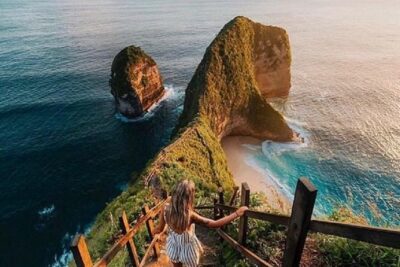 ★ 4.5Nusa Penida One Day Trip with All-inclusiveFrom $51743 reviews
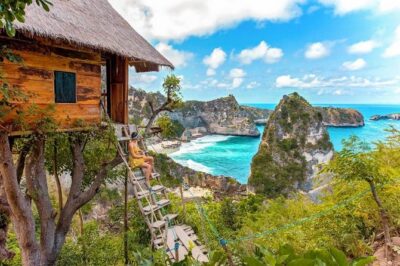 ★ 5.0️ Nusa Penida Instagram Tour: The Most Famous Spots (Private All-Inclusive)From $119538 reviews
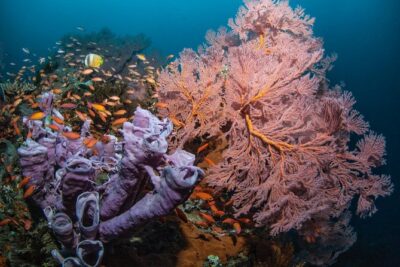 ★ 5.02 Days Discover Scuba Diving in Nusa Lembongan – Scuba InitiationFrom $151506 reviews
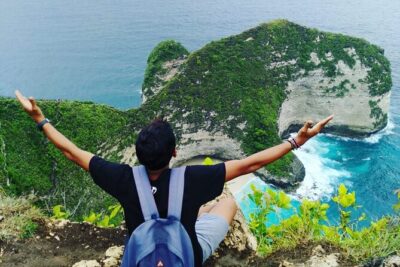 ★ 5.0Nusa Penida Island Beach Tours Private All InclusiveFrom $64447 reviews
Browse the lists this tour appears in