
Reviewed · SCUBA DIVING & THE TULAMBEN WRECK
Sanur Open Water Course learn diving in 3 Days – Get certified & Dive everywhere
A PADI cert in just three days? That is the pitch, and it mostly delivers. You start with online theory and pool skills in Sanur, then you move into protected bays and classic wreck sites as part of your first underwater certification track.
What I like most is how small-group the setup is (up to 6 people), which usually means more coaching time when you need it. I also like that everything is built around getting you safely to full PADI Open Water depth goals, with professional, certified, insured guidance and a company that talks safety like it is a real job.
One thing to consider: the schedule can shift based on day conditions. Day 3 depends on what the water and site conditions allow (Padang Bai or Tulamben, and Nusa Penida is only an option for an additional price), so keep your expectations flexible.
In This Review
- Key highlights to know before you book
- 3-day PADI Open Water: how the course actually unfolds
- Sanur Bay first, then Padang Bai or Tulamben: why the order matters
- The USS Liberty Shipwreck stop: planning for a classic scene
- Instructors, safety, and small groups: where your money should go
- What’s included for $480: value that adds up fast
- Timing and meeting point: how to avoid day-one chaos
- Who this course suits best (and who should pause)
- Should you book this Sanur 3-day Open Water course?
- FAQ
- How many days is the Open Water course?
- Where do the training sessions happen?
- Do I need to do the theory before I arrive?
- What certification do I get, and what depth can I reach?
- What is included in the price of $480 per person?
- What if the course is affected by weather?
Key highlights to know before you book
- Up to 6 students keeps the coaching personal and helps you move at a confident pace
- Confined-water pool day first before you go into open water, so skills have a foundation
- Three-day structure: online theory + pool + multiple open-water sessions
- USS Liberty Shipwreck is part of the core experience you train around
- 18-meter recognized limit after PADI Open Water certification
- Equipment, lunch, and pickup are included in the price, which helps your real total stay predictable
3-day PADI Open Water: how the course actually unfolds
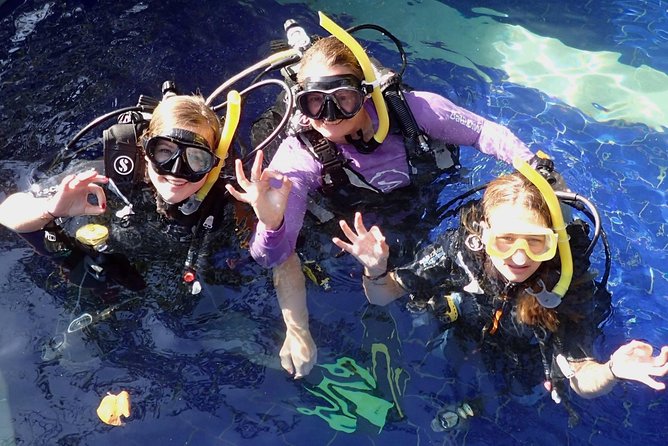
This is the PADI Open Water Course, the entry level certification that’s recognized worldwide. By the end, you should be able to plan safe underwater activities down to 18 meters when you’re diving with the right conditions and within training limits.
The course runs about 3 days, and the format is practical rather than vague. You do theory through PADI e-learning, which you can complete before you arrive or during the course window. An instructor then reviews what you learned, so you are not just clicking through slides and calling it done.
Day 1 is the “build the basics” day. You do the confined-water skills session in Sanur (a pool setup), where you practice control and comfort tasks before adding the extra variable of open water. That matters because your first days in the ocean are usually less about sightseeing and more about systems: breathing, buoyancy, and staying calm.
Days 2 and 3 are open-water sessions. Day 2 focuses on two open-water sessions in Sanur Bay. Day 3 continues with two open-water sessions, but the exact location can be Padang Bai or Tulamben depending on the day’s conditions.
You’ll also find flexibility built into the training options. On Day 3, Nusa Penida is also possible if you want to add it (pricing is in the options), but the default plan is more predictable: a main site in the region (Padang Bai or Tulamben).
More scuba trips, from the Tulamben wreck to Menjangan
Sanur Bay first, then Padang Bai or Tulamben: why the order matters
You start in Sanur, and that is not random. The plan is structured so you learn your body mechanics in a controlled setting, then you test them in a real open-water environment that is typically easier to manage as you get used to currents, waves, and visibility swings.
Sanur Bay on Day 2 is where you apply what you built on Day 1. The goal is to get you comfortable enough that your instructor can assess skills in real conditions, not just in a pool. This is where many first-timers feel the biggest difference: you’re still practicing the same fundamentals, but now you’re doing it in motion and with natural underwater light changes.
Day 3 is a site-choice day: Padang Bai or Tulamben based on what conditions allow. If you want variety, Tulamben is often the more memorable training ground because it ties into shipwreck experiences in the Bali region. Padang Bai can be a solid alternative depending on winds, swells, and what the team can work with that day.
Practically, this site-flexibility is good news for safety and learning. It means your instruction can match the day, rather than forcing a fixed plan that might not fit the water you actually get.
The USS Liberty Shipwreck stop: planning for a classic scene
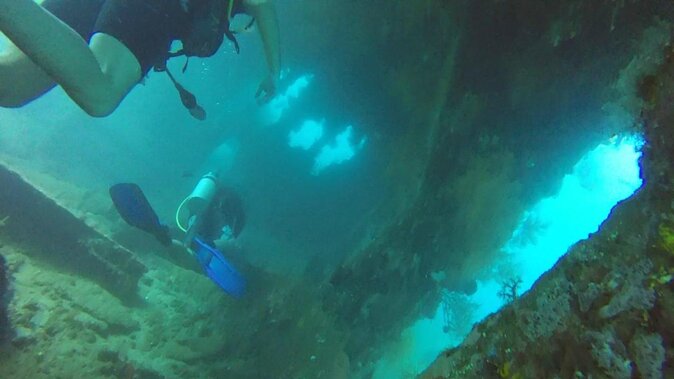
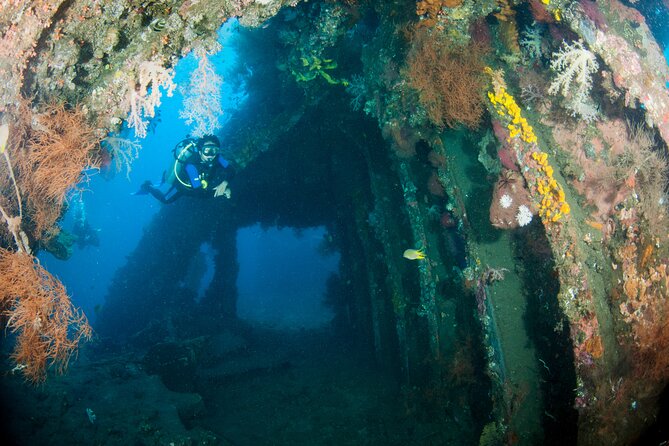
One of the key named stops in this course is the USS Liberty Shipwreck. Even if you do not know the wreck yet, it is the kind of training target that helps people remember the course, because you are not just learning skills in blank water.
What you should expect from a shipwreck-oriented stop is a focus on controlled navigation and buoyancy. Wreck training tends to test whether you can maintain position near structure without making frantic moves. That is also why having a patient, properly insured instructor is a big deal for a first certification.
The best part of including a named wreck site is that it turns “skills practice” into a real sense of place. You do not just learn how scuba equipment works. You learn how it works while looking at something tangible underwater.
Instructors, safety, and small groups: where your money should go
This course’s biggest strength is the focus on safety and steady coaching. The academy lists a 100% safety track record and emphasizes that every dive guide/instructor is professional, certified, and insured, plus familiar with reefs and local habitats. In practical terms, that translates to less guessing and more correct feedback while you are still learning body control.
Small-group size supports that. With a maximum of 6 travelers, you are less likely to get “one instructor for a crowd” treatment. In early certification, feedback speed matters. If you are struggling with mask clearing, buoyancy checks, or air management, more attention can mean you finish the day confident rather than exhausted.
Names you may see in the program include Astama (called out for smooth, safe training), and Benny Wiratno Bunadji (praised as easygoing but professional, with very good English). If your learning style likes a calm instructor who still keeps the standards tight, Benny is specifically worth asking for.
You might also see language support mentioned. One student noted an instructor spoke Italian and that made learning easier. Another mentioned a focus on keeping training records properly and using equipment that is up to code. That kind of operational detail is a silent factor in safety: it reduces confusion when you are already juggling new skills.
And on the office side, Kadex was noted as responsive during booking questions, which matters more than people think. A smooth start keeps you from arriving stressed and unprepared.
What’s included for $480: value that adds up fast
At $480 per person for a roughly 3-day PADI Open Water Course, this price can look “mid-range” until you count what is included. Here’s what you get based on the tour details:
- PADI manual and certification
- Use of scuba equipment
- Lunch
- Hotel pickup and drop-off
- PADI certified instructor
That list is where the value shows. For first-time scuba students, the expensive part is often not the instruction—it is everything around instruction: gear rental, getting to sites, and handling paperwork. This package wraps those items into the cost, so you can budget one number and not a bunch of add-ons.
What is not included: a camera. If you want photo or video, you can rent a camera, but you should plan for that extra cost.
Also note the structure includes theory via PADI e-learning. The schedule says you can do it before the course or during the 3 days, and then your instructor reviews it. In other words, you are not expected to arrive knowing everything already. You are expected to be willing to do some screen-based prep.
One more “value” angle: the price is tied to a certification outcome. You are paying for a recognized credential (Open Water) and the coaching needed to reach it, not just a one-off snorkel experience.
More multi-day island journeys



Timing and meeting point: how to avoid day-one chaos
Start time is listed as 9:00 am, and the activity ends back at the meeting point. Pickup and drop-off are included, but you still meet at the listed location to begin.
The meeting point is at the academy office area in Sanur, at the corner of Jl. Sekuta Gg. Kalpataru, Sanur (Denpasar Selatan), Denpasar. This is useful because you can orient yourself before the pickup process starts.
For day-to-day sanity, I recommend you:
- show up early enough to settle in before theory review and gear checks
- bring what you need for sun and comfort between water sessions (even if lunch is included)
- be ready for a schedule that can adjust on Day 3 depending on conditions
That last point matters because open-water training is weather and water-dependent. You’re not signing up for a “lights and camera” tour; you’re signing up for safe training.
Who this course suits best (and who should pause)
This course is designed for moderate physical fitness. That does not mean athletic or hardcore. It means you should be able to participate in basic underwater tasks and handle the normal strain of learning new gear and movements.
This program is a great fit if you:
- want a world-recognized Open Water certification with a clear 18-meter goal
- prefer small groups and more hands-on coaching
- like structured learning: theory first, then pool skills, then open-water sessions
- want a plan that can include a memorable wreck stop like the USS Liberty Shipwreck
It might be a less ideal fit if you hate schedule changes. Day 3 site selection depends on conditions (Padang Bai or Tulamben), and Nusa Penida is an option rather than a guaranteed default.
Language can also matter for learning. If you need English instruction, the program is set up for instruction, but if you want Italian support specifically, you might consider asking in advance.
Should you book this Sanur 3-day Open Water course?
I’d book it if you’re serious about getting your PADI Open Water without turning the first week in Bali into a messy gear-and-transport hunt. The combo of included equipment, lunch, and pickup, plus small-group instruction and a clear training progression (online theory, pool day, then open-water days) is exactly what first-timers usually want.
It is also a smart choice if you care about safety culture. The emphasis on certified, insured instructors and the company’s cited 100% safety track record is backed by the way instructors are described—patient, professional, and focused on keeping training smooth.
Skip or rethink only if you have zero tolerance for changes in Day 3 location based on conditions, or if you cannot commit to the theory review timing (before or during the course). In scuba training, that prep part is what makes your in-water time work.
FAQ
How many days is the Open Water course?
The course is listed as 3 days.
Where do the training sessions happen?
Day 1 is a pool session in Sanur. Day 2 includes two open-water sessions in Sanur Bay. Day 3 includes two open-water sessions in Padang Bai or Tulamben, depending on the condition that day.
Do I need to do the theory before I arrive?
Theory is done online through PADI e-learning. It can be completed before the start of the course or during the 3 days, and then it is reviewed with your certified instructor.
What certification do I get, and what depth can I reach?
This is the PADI Open Water certification. It’s recognized worldwide and allows you to dive underwater activities safely up to 18 meters.
What is included in the price of $480 per person?
The price includes lunch, use of scuba equipment, hotel pickup and drop-off, the PADI manual and certification, and a PADI certified instructor.
What if the course is affected by weather?
The experience requires good weather. If it’s canceled due to poor weather, you’ll be offered a different date or a full refund.
More Bali Reviews & Picks



More Multi-Day Bali Itineraries
More Scuba & Wreck Dives
Still deciding? More Bali days reviewed, from volcano sunrises to island crossings





Scuba Diving & the Tulamben Wreck, compared.
 ★ 5.0Open Water Course in Nusa Lembongan – Get Certified on remote island (next Bali)From $461864 reviews
 ★ 5.02 Days Discover Scuba Diving in Nusa Lembongan – Scuba InitiationFrom $151506 reviews
 ★ 5.0Open Water Course in Tulamben – Get Certified in BaliFrom $376495 reviews
 ★ 5.0Bali Diving for Beginners: Tulamben Liberty WreckFrom $89367 reviews
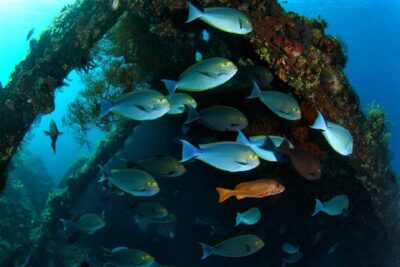 ★ 5.0Discover Scuba Diving in Tulamben – Diving Initiation in Bali best diving sitesFrom $89353 reviews
 ★ 5.0Advanced Open Water Course – Advanced Certification in Lembongan (next to Bali)From $431222 reviews
 ★ 5.05 Fun Dives in Nusa Lembongan (for certified divers) – Swim with a Mola MolaFrom $256205 reviews
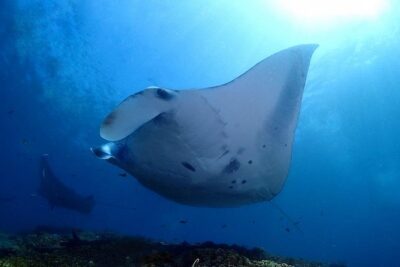 ★ 5.0Scuba Diving in Nusa Penida – Manta PointFrom $175198 reviews
Browse the lists this tour appears in