
Reviewed · FARM & VILLAGE COOKING CLASSES
Traditional Tempeh Making & Cooking Balinese Cuisine
Tempeh is never this hands-on. This small-group Bali cooking class teaches you how tempeh is made and why it matters in local kitchens, with extra focus from Ayu and Ngurah. You’ll also get a clear look at Indonesian spices as you cook from scratch, not just watch.
What I like most is that you learn the full process of traditional tempeh making and then turn it into a meal in an outdoor kitchen setting. The second big win is the seven-dish Balinese lunch served in a garden at a cozy home, so you finish the experience eating what you actually made.
One thing to consider: it runs in the late morning and the experience requires good weather, so rain can affect how it operates. And if you eat strictly vegan, pay attention to the chicken and tuna options, since they can be included unless you choose to skip them.
In This Review
- Key Takeaways Before You Go
- Tempeh, Explained: Why Balinese Cooks Love This Java Staple
- Meeting at Canang Sari Homestay: A Calm Start, Not a Rush
- A Small-Group Cooking Class With Ayu and Ngurah
- From Bean to Block: What You Learn in Tempeh Making
- Indonesian Spices in Action: Cooking With Flavor Logic
- Balinese Lunch on the Clock: Sayur Urab and Tempeh Dishes
- Eating in the Garden: Why the Meal Feels Like Part of Bali
- Price and Value: Is $39 Worth a 3-Hour Class?
- Who Should Book This Class in Seminyak?
- Should You Book This Tempeh Making Class?
- FAQ
- What time does the class start and finish?
- Where is the meeting point?
- How long is the cooking class?
- How many people are in the group?
- Is the class vegan-friendly?
- How many dishes will we eat for lunch?
- Is private or more personalized instruction available?
Key Takeaways Before You Go
- Tempeh making from scratch: you learn the steps, not just tempeh dishes.
- A small group (max 10): you get more time with your hosts while cooking.
- Balinese flavors, built around spices: you’ll see how spice blends shape the food.
- Sayur Urab and other traditional dishes: you’ll cook with tempeh and greens, plus coconut.
- Garden lunch equals the real payoff: you’ll share seven dishes you helped prepare.
- Optional private upgrade: ask for a more personalized class if you want it.
Tempeh, Explained: Why Balinese Cooks Love This Java Staple
Tempeh is one of those foods that sounds simple until you learn what’s going on. In this class, you start with the story of tempeh and how it became an important ingredient in Indonesian cooking, especially in Balinese meals. Your hosts walk you through what makes tempeh special, including its protein and nutrient value, and where it traces back to in Java.
You’ll also learn the idea that tempeh has long been part of everyday eating—known since the 1600s, according to your hosts. That context matters because it changes how you approach the ingredient. You’re not treating tempeh like a trendy substitute. You’re treating it like a serious local staple that fits into tradition.
The class also frames tempeh as versatile. That helps later, when your lunch lineup shifts between different flavors and textures, rather than feeling like one repeated dish. You’ll see how tempeh can take on spices and sauce styles instead of standing alone.
More farm and village cooking classes

Meeting at Canang Sari Homestay: A Calm Start, Not a Rush
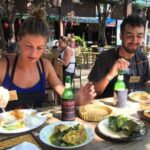
The experience starts at Canang Sari Homestay in Denpasar, in an easy-to-reach area of Denpasar Utara. The whole setup feels like a real home kitchen, not a big tourist operation. That’s part of the value here: it’s a place where you can ask questions while you cook, and where the meal feels connected to the day instead of being bolted on at the end.
The class runs from 9:30 AM to about 12:30 PM, with lunch included. You’ll want to plan for a structured, morning-focused schedule. If you like late breakfasts and slow starts, this might feel early—but the benefit is you get your cooking done before the rest of Bali heats up.
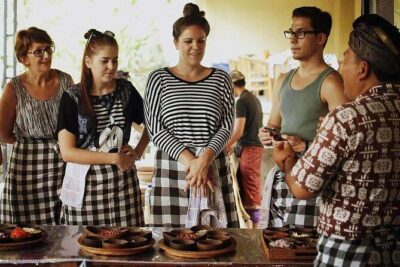
Your hosts, Ayu and Ngurah, guide the group from the beginning through the meal. The small group size (max 10) means you’re less likely to feel like a number. This matters for a hands-on class, because tempeh-making is step-based, and cooking needs timing.
A Small-Group Cooking Class With Ayu and Ngurah
One of the most praised parts of this experience is the hosting. Ayu is described as passionate and highly engaged, and the teaching style is practical as you move from tempeh steps into cooking. Ngurah also comes through as genuinely hospitable, which helps the whole class feel friendly rather than performative.
In a group this size, you can ask why something works, not just how to do it. You also get more attention when you’re handling ingredients and learning techniques. That’s especially important when your main task is tempeh making from scratch, because you can’t wing it and hope for the best.
I like that the class isn’t just about getting a meal out of the way. It’s structured around understanding: you learn the history and role of tempeh, then you move into cooking using Indonesian spices. The end result is a meal you can repeat at home, not just a one-time experience.
And yes, you’ll get guidance you can use later. Reviews mention that your hosts even provide a guide on making tempeh at home, which is exactly what I’d want from a hands-on food class. It turns the experience into something you can carry forward.
From Bean to Block: What You Learn in Tempeh Making
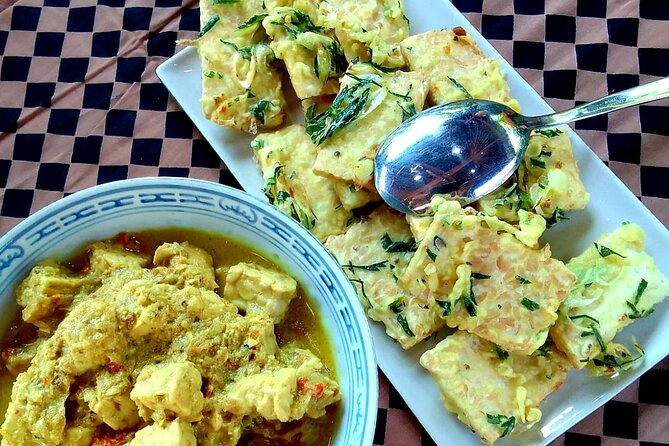
Tempeh making is the headline here. You’ll learn the highlight of the tempeh process during the class, with instruction that walks you through what you’re doing and why. The class emphasizes that tempeh is an Indonesian original, and that explanation isn’t fluff—it gives you a reason to care about the steps.
You’ll start with the basics of tempeh and then move into the making process. The goal is that you leave understanding how tempeh is produced, not just how to cook with it after someone else prepared it.
Your hosts also explain that tempeh has been known for centuries and is considered food for everyone. That’s part of the teaching approach: you learn that tempeh is practical and accessible in the region, and that it fits everyday cooking rather than being only for restaurants or specialty stores.
Because the class includes a guide to help you make tempeh at home, you should see this as both a cooking class and a small food education session. If you like learning the science-ish side of food—how ingredients transform into something with a new flavor and texture—this is a strong fit.
Indonesian Spices in Action: Cooking With Flavor Logic
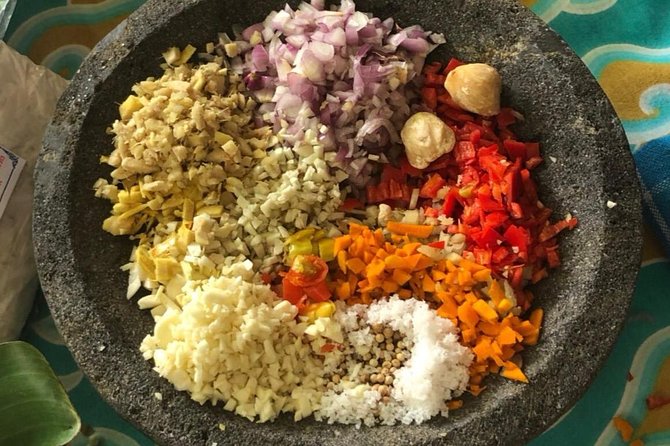
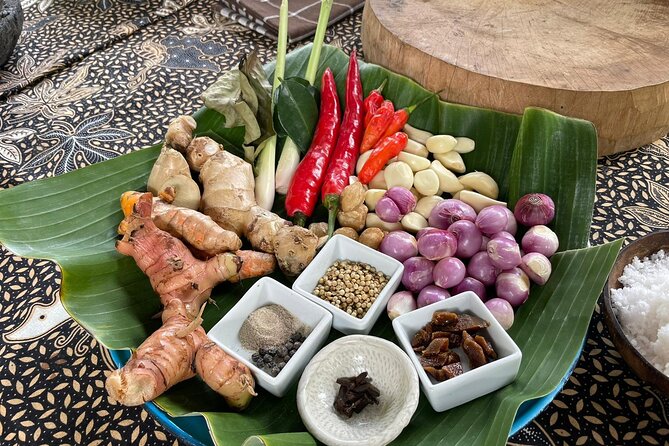
Indonesian cooking is spice work, and you’ll feel that during the class. One of the highlights is discovering the variety of spices used in Indonesian recipes as you cook. Instead of just tasting, you’ll connect the flavor to what’s going in.
This is one of those lessons that pays off later when you shop for ingredients. If you know what you’re aiming for—warm spice depth, aromatic spice blends, coconut balance—you can recreate dishes more easily. In other words, you’re not only learning recipes. You’re learning how the flavors are built.
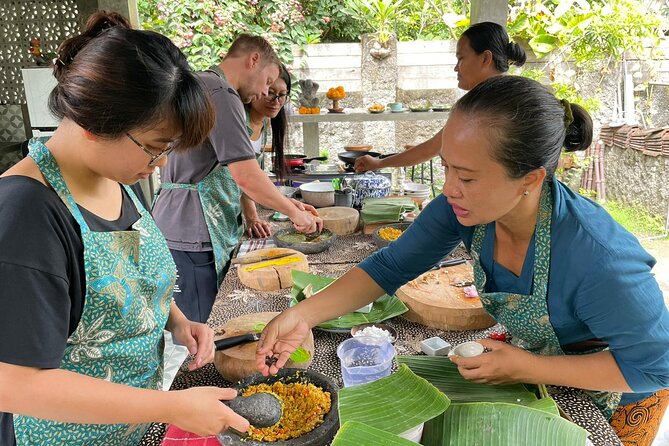
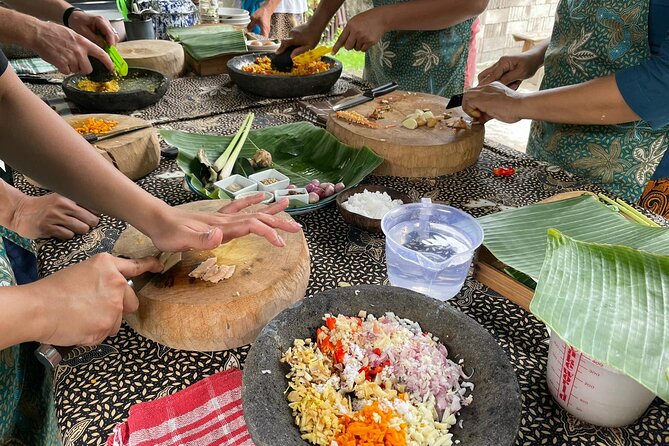
Also, you’ll cook using fresh plant-based ingredients and prepare the dishes from scratch. That keeps the class grounded. You’re not relying on pre-made bases. You’re learning the real steps, which is exactly what you want if your goal is to cook better at home.






Balinese Lunch on the Clock: Sayur Urab and Tempeh Dishes
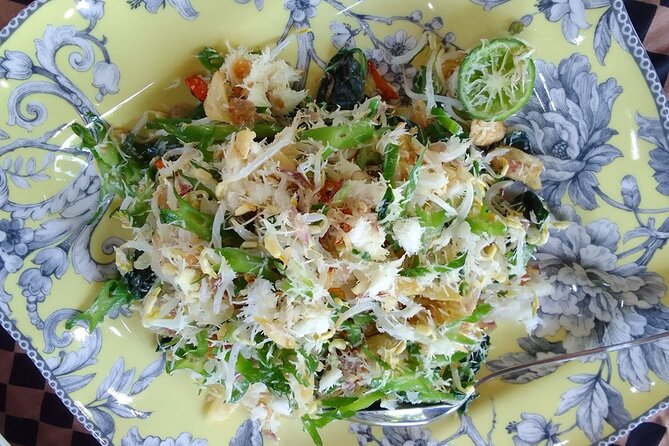
The lunch portion is where everything comes together. After tempeh making, you shift to cooking traditional Balinese dishes at an open-air kitchen studio. The change of setting helps: you go from learning and prep to active cooking and flavor-building.
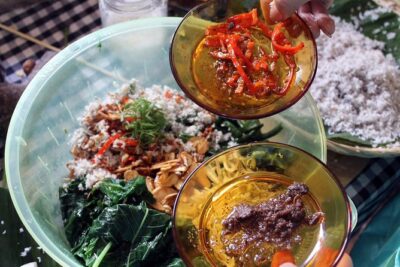
A key dish is Sayur Urab, a vegetable dish made with some greens and beans mixed with grilled grated coconut. The class gives you a chance to work with that coconut component, which is where many Indonesian dishes gain their signature comfort and richness without needing dairy.
You’ll also cook several other local recipes using tempeh. The exact menu isn’t spelled out in full, but you should expect a mix of Balinese Indonesian flavors built around tempeh and plant ingredients.
There’s also an important dietary note. Some dishes can include chicken and tuna, but the class can skip those items if you’re vegan. If you’re vegan, this is manageable, but you should treat it as an instruction point, not an afterthought. Make it clear at the start so your lunch stays aligned with your diet.
The big promise is that you’ll prepare and share a lunch made up of seven dishes. That number matters. It means the meal is more like a food spread than a single entree moment, and you’ll taste a range of flavors rather than one repeated profile.
Eating in the Garden: Why the Meal Feels Like Part of Bali
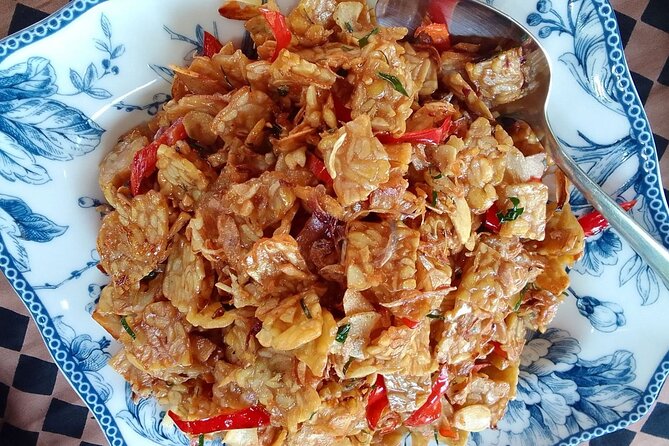
In many cooking classes, lunch is just the end of a transaction. Here, it’s part of the experience. After cooking, you sit down to enjoy what you made in the garden of a cozy local home, with a family-style atmosphere.
That garden setting changes the pacing. You’re not eating quickly between activities. You’re sharing plates, talking with your hosts, and tasting the dishes while the experience is still fresh in your mind.
Tea, coffee, water, and a light snack are included during the class, so you’re covered even before the big meal. It’s a small detail, but it helps keep you energized through a morning of hands-on cooking.
And since you’ll be eating seven dishes, you’ll get a much fuller sense of what Balinese Indonesian cooking feels like in practice. You can taste how different preparations handle spices and coconut, and how tempeh fits into the overall meal structure.
Price and Value: Is $39 Worth a 3-Hour Class?
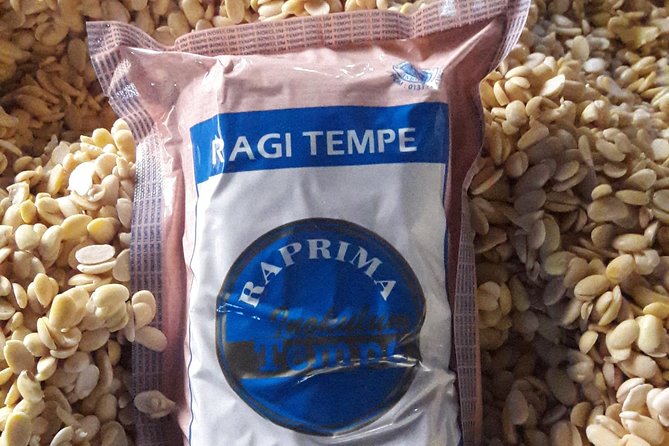
At $39 per person, this class has a strong value story if you care about hands-on cooking. You’re paying for three things that usually cost more if done separately: tempeh making from scratch, instruction around Indonesian spices and Balinese dishes, and a multi-dish lunch you share afterward.
Also, you’re not doing it with a huge crowd. Maximum 10 travelers means you’re likely to get more direct attention while cooking. For a step-based food skill like tempeh making, that attention has real value. It can make the difference between doing it right and just following steps mechanically.
You’re also getting included drinks and a light snack, which reduces extra costs during the morning. And the class is designed to finish with lunch in a home garden, which is the part that often turns a cooking class from okay to memorable.
If you want a cooking experience that ends with you genuinely understanding an ingredient—tempeh—and not just eating a good meal, this price makes more sense. If you’re only looking for a casual tasting without cooking, you might prefer something simpler and less time-focused.
Who Should Book This Class in Seminyak?
This experience is a great fit if you want:
- A hands-on class, including tempeh making from scratch
- A smaller class where you can ask questions while cooking
- A vegan-friendly food experience that still teaches traditional Balinese dishes
- A meal where you eat what you made, including a seven-dish spread
It’s also a good choice if you like learning food skills you can repeat. The mention of a guide for making tempeh at home is a big plus for anyone who wants to bring the experience home.
If you dislike morning starts, or if you’re hoping for a purely relaxed sightseeing pace, this might feel too structured. And because the experience requires good weather, you may want to keep an extra option in mind if you’re traveling during a rainy stretch.
If you’re looking for a more personal setting, a private group upgrade is available on request. That’s ideal for couples, families, or anyone who wants the class to move at their pace.
Should You Book This Tempeh Making Class?
If you want tempeh education plus real Balinese cooking, I’d book it. The combination of tempeh-making steps, Indonesian spice instruction, and a garden lunch with seven dishes is a lot of value for a single morning.
The only reason not to is if morning timing or weather could derail you, or if you need fully plant-based meals and want extra reassurance. If that’s you, just make the dietary preference clear from the start so the chicken and tuna options can be handled correctly.
FAQ
What time does the class start and finish?
The class starts at 9:30 AM and finishes around 12:30 PM, with lunch included.
Where is the meeting point?
You meet at Canang Sari Homestay, Gg. Kaswari No.6, Dangin Puri Kaja, Kec. Denpasar Utara, Kota Denpasar, Bali 80234, Indonesia.
How long is the cooking class?
It lasts about 3 hours.
How many people are in the group?
The class has a maximum of 10 travelers.
Is the class vegan-friendly?
Yes, it’s described as vegan-friendly. Some dishes may include chicken and tuna, but those can be skipped if you are vegan.
How many dishes will we eat for lunch?
You’ll share a Balinese Indonesian lunch consisting of seven dishes.
Is private or more personalized instruction available?
Yes, a private group is available upon request.
If you want, tell me your dietary needs (vegan, vegetarian, or flexible) and what you’re most excited about—tempeh making or Balinese dishes—and I’ll suggest whether this is the best match for your Bali morning.
More Bali Reviews & Picks
More Farm & Village Cooking

Still deciding? More Bali days reviewed, from volcano sunrises to island crossings











Farm & Village Cooking Classes, compared.
 ★ 5.0Ubud Cooking Class Bali with Balinese ChefFrom $351,609 reviews
 ★ 5.0PRIVATE Authentic Balinese Cooking Class in Ubud at Putu’s HomeFrom $75644 reviews
 ★ 5.0Balinese Ubud cooking school (9 Dish Cooking and Market Tour)From $58540 reviews
 ★ 5.0Balinese Farm Cooking Class by Pemulan BaliFrom $39410 reviews
 ★ 5.0Balinese Cooking Class in SeminyakFrom $66281 reviews
 ★ 5.0Balinese Authentic Cooking Class in UbudFrom $39239 reviews
 ★ 5.0PRIVATE Balinese Cooking Class in Ubud with Dewa with TransfersFrom $69213 reviews
 ★ 5.0Balinese Cooking class with traditional morning market visitFrom $35161 reviews
Browse the lists this tour appears in