
Reviewed · FARM & VILLAGE COOKING CLASSES
Balinese Cooking Class at The Santai Umalas Kerobokan
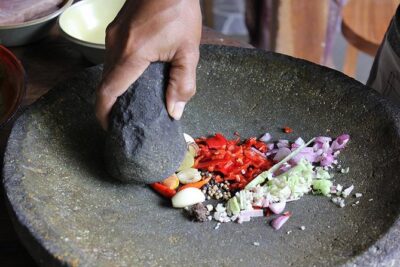
Your lunch starts with a mortar and pestle. I love how small-group attention turns cooking into something you can actually copy later, and I love that you eat a 3-course meal you personally prepared. The only catch: it’s a tight, about-2-hour session, so you’ll move along at a cooking-school pace rather than lingering forever.
At The Santai Umalas Kerobokan, the vibe feels more like a polished villa hangout than a tourist factory: warm welcomes, clear chef explanations, and a setting that looks great in real life. Pickup is handled door-to-door from Seminyak, Kerobokan, and Canggu, which makes it easy to fit into your Bali days without losing half your afternoon to traffic.
You’ll learn Balinese techniques using a lot of spice work, plus guidance you can’t easily learn from a cookbook. Based on what I saw in the way chefs Gusde and Surya taught, the best part is getting practical tips as you cook, not just watching someone else do it.
In This Review
- Key highlights worth booking for
- Stepping into The Santai: what the experience is really like
- Pickup, timing, and the easiest way to plan your day
- The cooking flow: how you’ll actually learn Balinese flavors
- Your 3-course menu: starter, main, dessert, and real skill building
- Eating your results: lunch (or dinner) and the best part
- Venue and service details that make the class feel worth it
- Price and value: why $45 feels fair in Bali
- Who this Balinese cooking class suits best
- Should you book it? My quick decision guide
- FAQ
- FAQ
- What time does the class start?
- Is hotel pickup included?
- How many people are in the class?
- Can you handle vegetarian meals or allergies?
- What will I cook, and what meal do I get?
- Are alcoholic drinks included?
- What happens if the weather is bad or I need to cancel?
Key highlights worth booking for
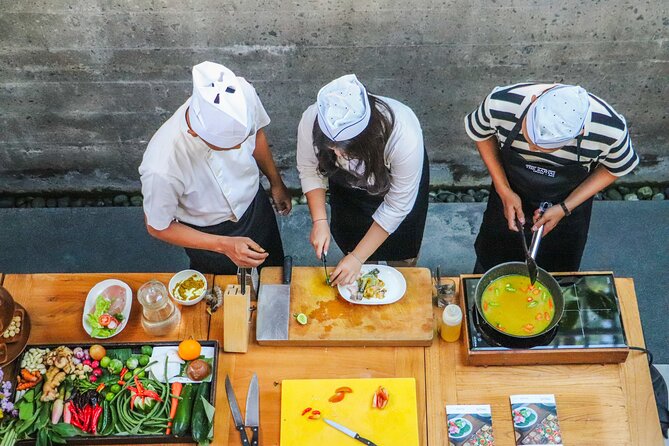
- Chef-led, hands-on 3-course cooking (starter, main, dessert) you prepare and then eat
- Small-group format with a listed maximum of 6 travelers, keeping instruction personal
- Two-way pickup from Seminyak, Kerobokan, and Canggu to reduce stress
- Real Balinese spice technique explained while you’re actively cooking
- Villa setting with a modern feel, including a welcome juice and bottled water during class
- Recipe support: apron usage, handouts, and a digital cooking class certificate
Stepping into The Santai: what the experience is really like
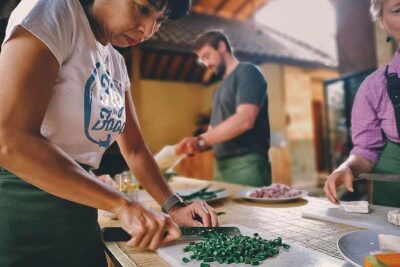
This class works because it doesn’t treat food as a performance. You’re not just standing around; you’re cooking. The Santai’s venue is a big part of the appeal too. Reviews highlight a modern, exciting architecture and a beautiful villa setting, which matters because cooking classes can sometimes feel cramped or plain.
I also appreciate how the welcome process is handled. You’re greeted warmly, introduced properly to the chef and staff, and given small comforts right away (welcome juice on arrival, bottled water during cooking). That helps if you arrive hungry or a little jet-lagged. Bali cooking should feel like relief, not another chore.
The chefs matter here. Names that came up include Chef Gusde and Chef Surya, and they both emphasize ingredients you’re using that day, not vague advice. There’s also mention of staff such as Oka, who supports the flow so your group isn’t stuck waiting.
One more practical note: the class is short. Expect about 2 hours. If you love slow food days, you’ll want to pair this with an unhurried dinner afterward.
More farm and village cooking classes

Pickup, timing, and the easiest way to plan your day
This is set up to be simple logistics. You can choose a morning or afternoon class, and the schedule listing shows a 12:00 pm start time. In other words, you’re not signing up for a “wake up at dawn” experience, which is a win in Bali.
Pickup and drop-off are included from the Seminyak, Kerobokan, and Canggu areas. That’s important because traffic can turn “two hours” into “half your day.” Door-to-door transfer means you can keep your plan realistic: hotel → class → meal → back to your hotel.
The activity also says it’s near public transportation, which can be handy if you ever need Plan B. But honestly, the point of this class is that you shouldn’t need a Plan B.
Expect a mobile ticket, and you’ll get confirmation at booking. The main thing you should watch for is pacing: because it’s a concentrated session, arrive on time so you can jump into prep without feeling rushed.
The cooking flow: how you’ll actually learn Balinese flavors
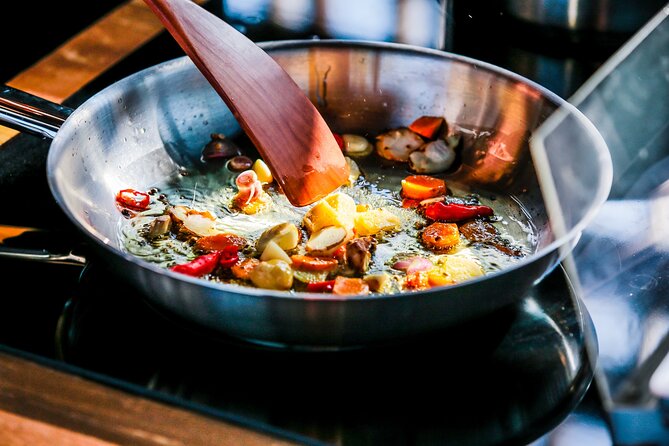
The core experience is a guided, step-by-step cooking session. It’s not just chopping. It’s the chain of decisions that makes Balinese food taste Balinese: spice blending, timing, seasoning, and technique.
Here’s the pattern you should expect:
1) Chef guidance and ingredient walkthrough
You learn what’s going into the dishes and why. Reviews mention chefs talking through fresh ingredients, which is exactly what you want. You’ll also get help while working through the recipes.
2) Hands-on prep and cooking
You move through starter, main, and dessert preparation. This is where you learn the practical part: how to handle spice mixes, how to adjust as things cook, and how to build flavor stage by stage.
3) Sampling what you made
You don’t cook and then disappear. You eat what you prepared, which turns learning into something tangible.
The class emphasizes a wide mix of spices paired with fresh produce and quality ingredients. You’ll also hear the reasoning behind recipes—spice combinations, how ingredients behave during cooking, and how Balinese dishes balance richness and brightness.
The most praised aspect, from the way people describe the experience, is the combination of friendliness and competence. You get personalized tips, and that’s the difference between a fun day and a useful skill.
Your 3-course menu: starter, main, dessert, and real skill building
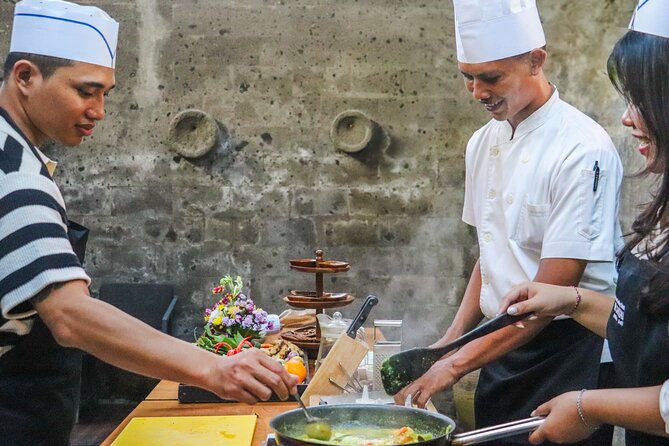
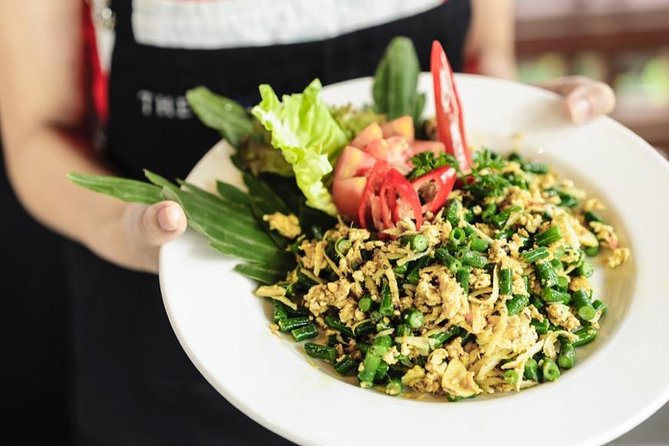
You’ll choose between three authentic menu options, then cook a 3-course meal: starter, main course, and dessert. The data doesn’t list the exact dishes for each menu, so I can’t promise specific names—but the structure is clear, and it’s designed to teach how a Balinese meal is built.
This setup is a smart value for your money. Many cooking classes only teach one item well. Here you learn across a full meal format:
- Starter teaches early flavor development and how Balinese spice works before a dish is fully built.
- Main course is where technique and timing matter most, and where flavor layering really shows.
- Dessert gives you a way to understand Balinese sweetness and texture, not just savory cooking.
One more thing I like: the class is flexible for real life needs. You can request dietary requirements like vegetarian, allergies, and gluten or lacto-free needs through the special requirements box at checkout or by emailing after booking. That means you’re more likely to have an option that feels part of the meal, not an afterthought.
And if you’re worried about group dynamics: it’s described as a small group (with a maximum listed of 6 travelers). Several reviews mention it sometimes becomes almost private when only a couple people book, so you might get even more hands-on assistance.
Eating your results: lunch (or dinner) and the best part
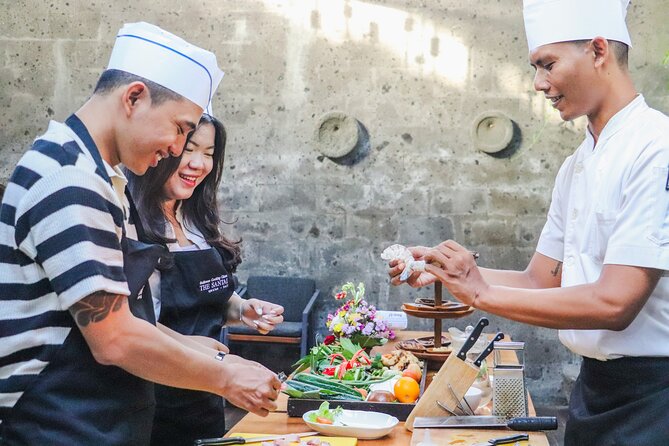
After cooking, you sit down to the meal you prepared. The class includes lunch or dinner depending on the session, and the food comes from the dishes made during class. This matters because it keeps the day honest: you taste exactly what you worked on.
Coffee and/or tea are included, and bottled water is provided during the cooking portion. Alcohol is not included, but it’s available to purchase. One review specifically mentioned that wine was reasonably priced, which you’ll appreciate if you want a more relaxed, celebratory feel.
Setting-wise, multiple reviews describe a beautiful villa environment, and one mentions enjoying the meal by the pool. Even if your session doesn’t happen poolside, you can still expect a calm, private-feeling place compared with the usual kitchen classroom look.
Practical tip: eat slowly. You’re tasting the learning moment, and the flavors make more sense when you give them time.
A few more Bali tours and experiences worth a look



Venue and service details that make the class feel worth it
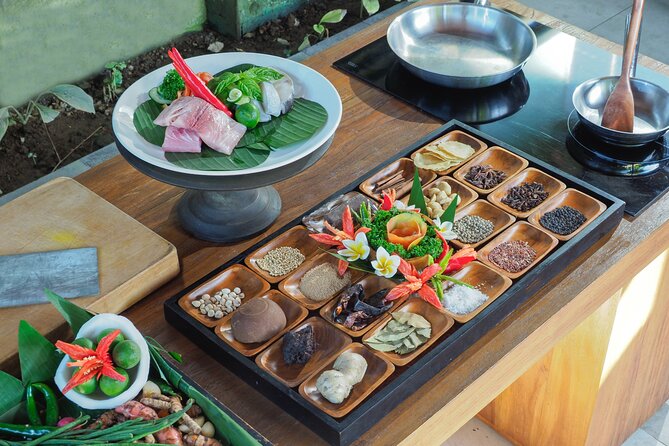
The Santai is consistently described as beautiful, with a modern and exciting architectural feel. That’s not just about photos. A good venue keeps you comfortable while you cook and eat, especially in Bali’s humidity.
Service also sounds solid and well-run. Reviews mention:
- warm welcomes on arrival
- professional introductions to the chef and staff
- helpful, hospitable assistance during the cooking
- cleanliness in how the class is run
I also like that you get take-home materials. You’ll use an apron during class and receive handouts with recipes, plus a digital cooking class certificate. One review even called out receiving an apron and recipe booklet as souvenirs, which is the kind of small extra that makes the experience feel complete.
There’s an extra line item worth knowing: an apron IDR 100,000 per person is listed as not included. That likely refers to buying a personal apron rather than the standard apron provided for use during class. If you’re the type who likes to cook at home with the same tools, ask on arrival so there are no surprises.
Price and value: why $45 feels fair in Bali
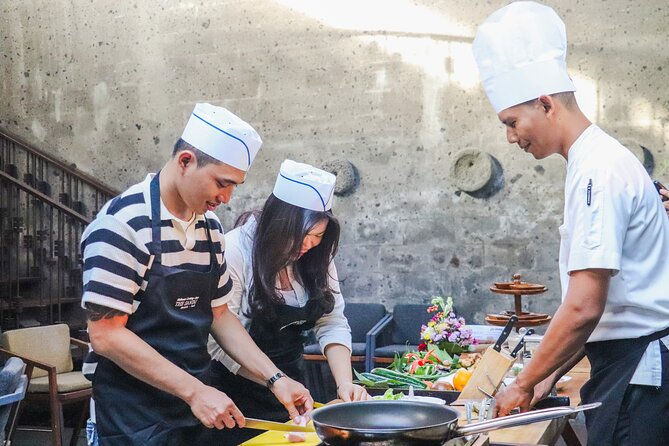
At $45 per person, you’re paying for more than ingredients. You’re paying for instruction, a full meal you cook, and logistics that would otherwise cost time (and maybe money) in Bali traffic.
Here’s what you actually get included:
- door-to-door hotel pickup and drop-off from Seminyak, Kerobokan, and Canggu
- welcome juice, bottled water during class
- all ingredients
- lunch or dinner from what you cook
- apron usage and recipe handouts
- coffee/tea
- digital cooking class certificate
When you compare that to the real cost of paying for private transport to a market and then trying to replicate Balinese cooking at home, this price starts to look like a bargain. You also get the chef’s guidance while you’re cooking, which is where most home attempts fail. Spice amounts and technique are everything.
It’s also worth noting the group size is kept small (maximum of 6 travelers listed). Smaller groups generally mean more attention from the chef and less time waiting your turn, which protects your value even more.
Who this Balinese cooking class suits best
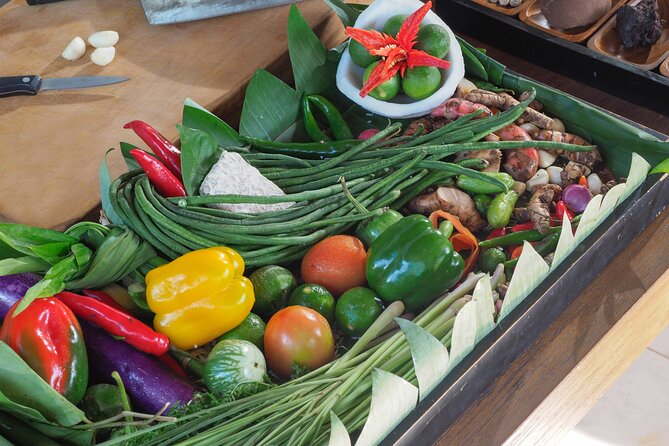
This class is best if you fit one of these profiles:
- You want a hands-on Bali activity that teaches skills, not just sightseeing.
- You’re short on time and want something that can fit cleanly into a hotel day with pickup and drop-off.
- You like learning from local chefs and getting practical tips while you work.
It’s also a good option for couples. Several reviews mention the class can feel private when there are only one or two participants. That makes it especially attractive if you don’t want to share every cutting board moment with a larger crowd.
If you’re traveling solo, it still works. One review mentioned being the only participant and getting a private class feel. You’ll likely get the chef’s full attention and more time for questions.
If you have dietary needs, communicate them early. The class offers help for vegetarian and allergy-related requests, and it explicitly mentions gluten or lacto-free needs too.
Should you book it? My quick decision guide
Book this cooking class if you want a real cooking session with chef guidance, a full 3-course meal, and the convenience of pickup. For the price, the included meal and transportation turn it into a “good Bali deal,” not just a fun afternoon.
Don’t book if you’re expecting a slow, leisurely day with lots of waiting and chatting. It’s structured, about 2 hours, and it moves. Also, the experience depends on good weather. If weather is poor, you may be offered another date or a full refund, so plan for a little flexibility.
If you want one practical move: when you book, list your dietary needs clearly in the special requirements area. You’ll get a smoother experience, and it helps the chef plan without last-minute stress.
FAQ
FAQ
What time does the class start?
The listed start time for the class is 12:00 pm, and you can choose between a morning or afternoon class option when booking.
Is hotel pickup included?
Yes. Pickup and drop-off are included from hotels in the Seminyak, Canggu, and Kerobokan areas.
How many people are in the class?
It’s described as a small-group class, with a maximum of 6 travelers listed for this activity.
Can you handle vegetarian meals or allergies?
Yes. You can submit dietary requirements such as vegetarian preferences, allergies, and gluten or lacto-free needs in the special requirements box during checkout or by contacting them after booking.
What will I cook, and what meal do I get?
You’ll cook a 3-course Balinese menu of your choosing, typically including a starter, main course, and dessert. Your meal is then included as lunch or dinner from what you prepared.
Are alcoholic drinks included?
No. Alcoholic drinks are not included, but they are available to purchase.
What happens if the weather is bad or I need to cancel?
The experience requires good weather. If it’s canceled due to poor weather, you’ll be offered a different date or a full refund. You can cancel for a full refund up to 24 hours before the experience starts.
More Bali Workshops & Classes
More Bali Reviews & Picks






More Farm & Village Cooking

Still deciding? More Bali days reviewed, from volcano sunrises to island crossings












Farm & Village Cooking Classes, compared.
 ★ 5.0Ubud Cooking Class Bali with Balinese ChefFrom $351,609 reviews
 ★ 5.0PRIVATE Authentic Balinese Cooking Class in Ubud at Putu’s HomeFrom $75644 reviews
 ★ 5.0Balinese Ubud cooking school (9 Dish Cooking and Market Tour)From $58540 reviews
 ★ 5.0Balinese Farm Cooking Class by Pemulan BaliFrom $39410 reviews
 ★ 5.0Balinese Cooking Class in SeminyakFrom $66281 reviews
 ★ 5.0Balinese Authentic Cooking Class in UbudFrom $39239 reviews
 ★ 5.0PRIVATE Balinese Cooking Class in Ubud with Dewa with TransfersFrom $69213 reviews
 ★ 5.0Balinese Cooking class with traditional morning market visitFrom $35161 reviews
Browse the lists this tour appears in