
Reviewed · EAST BALI: LEMPUYANG, AMED & SIDEMEN
Mystery Mountain Cooking Class Sidemen
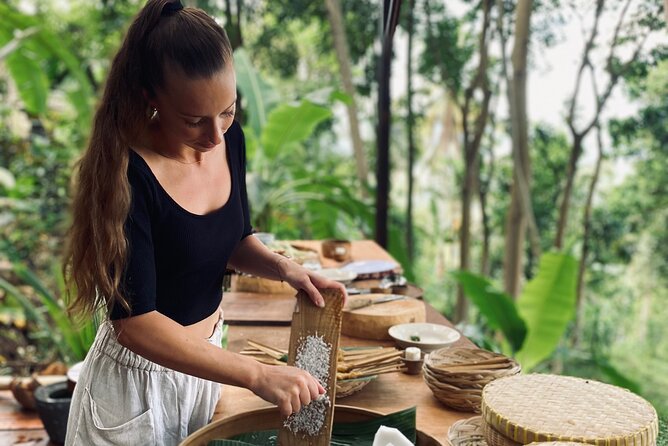
Five dishes, one fire, and real Balinese food. The Mystery Mountain Cooking Class in Sidemen turns cooking into a calm, hands-on lesson in a traditional open-air kitchen surrounded by woods, using ingredients grown from a local farm. If you like your meals with a story, this is built for you, and you’ll come away knowing what to do with the spices beyond just eating them.
I especially like the small-group feel (maximum 6 people) and the way the chef walks you through techniques from prep to serving. And I really appreciate the structure: you’ll experience 5 Balinese dishes in a fun 4-hour session, with enough cooking time that it doesn’t feel like you’re just watching.
One thing to consider is that the menu is not disclosed ahead of time, so if you’re picky or have strong dietary limits, plan to request your needs early (vegan is available by request).
In This Review
- Key things I’d mark on your map
- Entering Sidemen Cooking Country (and Finding the Start)
- The Open-Air Kitchen in the Woods Teaches More Than You Think
- How the 4 Hours Really Works: Prep, Cook, Serve, Eat
- The Surprise Menu: How to Benefit When You Don’t Know the Dishes
- Five Balinese Dishes, One Chef’s Style (Meet Ketut)
- Vegan by Request: What You Can Count On
- Price and Value: Why $49 Makes Sense Here
- What to Bring (and What to Skip)
- Logistics That Matter: Mobile Ticket and a Clean Finish
- Who This Sidemen Class Is Best For
- Should You Book Mystery Mountain Cooking Class in Sidemen?
- FAQ
- How long is the Mystery Mountain Cooking Class in Sidemen?
- What time does the class start?
- Where do I meet for the class?
- How many people are in a group?
- Is lunch included?
- Can I request a vegan menu?
- Can I cancel for a full refund?
Key things I’d mark on your map
- Open-air kitchen in a wooded 1-hectare setting: you’re cooking in nature, not a studio.
- Five dishes in four hours: steady pace, not a long drag where nothing changes.
- Chefs who teach culture, not just recipes: you get context for Balinese food and technique.
- Surprise menu until class day: it keeps the experience fresh, but you should be flexible.
- Vegan option by request: you can still join without eating around the food.
- Lunch and equipment included: you’re paying for the whole cooking experience, not only ingredients.
Entering Sidemen Cooking Country (and Finding the Start)
The day starts at 8:00 am at Bird Hills Bali (Jl. Bukit Juuk Manis, Tangkup, Sidemen). The experience ends back at the meeting point, so you’re not stuck with a confusing end location after a meal.
This timing matters. Morning cooking classes usually mean you’re more comfortable cooking outdoors before the heat climbs too high, and you’ll have lunch locked in before the rest of your day gets busy. Also, you’re not starting from a hotel pickup system you can’t control, so you’ll want to confirm how you’ll get yourself to the meeting point.
One practical note: private transportation isn’t included. If you’re staying somewhere in the Ubud area, budget for a driver or scooter plan to reach Sidemen. In Bali, that small planning step can make the difference between a smooth start and a rushed one.
More of East Bali, from Lempuyang to Amed and Sidemen



The Open-Air Kitchen in the Woods Teaches More Than You Think
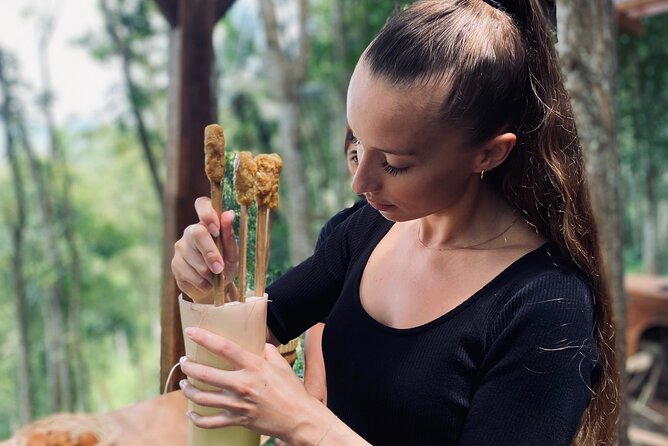
This class isn’t in a classroom. It’s in a traditional open-air cooking setup on about 1 hectare of land surrounded by woods. That setting changes the whole feel of the lesson. You’re not separated from the ingredients and the process; you’re part of it.
You also cook in a way that feels old-school. One of the best parts is that it’s not limited to modern kitchen gadgets. You’ll be working around the tools and methods that make Balinese food what it is, and the open fire element gives you a cooking rhythm you can’t easily copy from a kitchen at home. If you love food the way you love travel—through atmosphere, technique, and context—this is the kind of class that sticks.
Another plus: lunch is part of the experience. By the time you’re done cooking, you’re not only tasting food made by someone else; you’re eating what you helped put together, in the same setting where it was made.
How the 4 Hours Really Works: Prep, Cook, Serve, Eat
You’ll be in class for about 4 hours, and the plan is designed to keep things moving. The chef (host) leads you from mise en place—the prep stage—through cooking until everything is ready to be served. That matters because it gives you a framework. Even if you don’t remember every step, you’ll understand how Balinese cooking is built.
Here’s the pacing in a practical sense:
- Early on, you’re shown the ingredients and tools, and you learn the logic behind the flavors.
- Then you move through cooking stages for multiple dishes, so you experience different techniques rather than repeating the same method five times.
- As dishes finish, you’ll serve and eat as part of the flow, instead of ending with a sad afterthought meal.
The class format also supports small-group learning. With a maximum of 6 travelers, it’s easier to ask questions, get corrected on technique, and keep your station working without waiting around too long. If you’ve ever taken a crowded cooking class where you only stir once, this is the opposite.
And since it includes all cooking equipment, you don’t need to bring utensils or wonder if something is missing.
The Surprise Menu: How to Benefit When You Don’t Know the Dishes
You won’t get the dish list ahead of time, which is intentional. That’s great if you like surprises and you trust the chef. It also helps you pay attention during the class rather than mentally skipping ahead to the one dish you wanted most.
From a food-learning perspective, this can be a strength. When the menu isn’t revealed, you’re more likely to focus on the techniques: how ingredients are combined, how heat is managed, and what’s happening to the flavors as a dish comes together.
The possible drawback is obvious: if you need to avoid certain ingredients for medical or religious reasons, you should plan for that early. The only dietary flexibility specifically stated is that a vegan menu is available by request. If you want vegan, make that request clearly. If you have other restrictions, communicate those when you book, so the team can advise what’s feasible.
Five Balinese Dishes, One Chef’s Style (Meet Ketut)
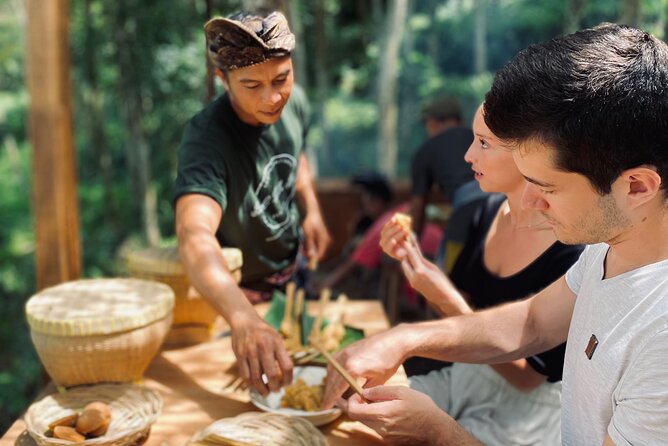
The host leads the session, and in Sidemen the chef’s name is Ketut. In the class, he isn’t just teaching cooking moves. He also shares insights into Balinese culture and cooking techniques, which turns food into something you understand, not just something you consume.
What you should watch for while cooking:
- How the chef explains the purpose behind each step, not only the step itself.
- How spices are treated and timed, because timing affects taste in a big way.
- How ingredients work together. Balinese flavors often come from layered seasoning, not one single sauce that hides everything.
The best part of a lesson like this is when you realize you’re not copying recipes word-for-word—you’re learning how to think like a cook. Once you learn that cooking framework, you can recreate results even when the exact ingredients aren’t identical at home.
And with five dishes in four hours, you’ll get that framework faster. You’ll see patterns repeat (spice behavior, heat control, prep logic), while also experiencing different textures and flavor directions.
More farm and village cooking classes


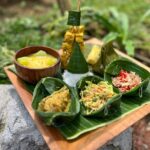
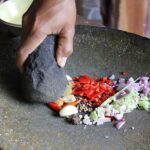
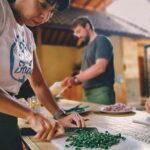
Vegan by Request: What You Can Count On
If you want vegan food, the class offers it by request. That’s a big deal because many cooking classes treat “vegan” like a substitute rather than a real option.
In practice, what you should do:
- Request vegan when booking so the team has time to plan your menu.
- Arrive ready to adapt. Since the general menu isn’t disclosed ahead, your vegan menu might still include familiar Balinese spice methods, but the exact dishes could vary based on what they prepare that day.
One reason this matters is that you’re in an authentic setting. You’ll get the same teaching style, and you’re still learning techniques tied to local ingredients—just with a plant-based approach.
Price and Value: Why $49 Makes Sense Here
At $49 per person, the price can feel very reasonable once you look at what’s included: lunch and all cooking equipment.
Many cooking classes charge less up front but make you pay extra for the food, ingredients, or gear. Here, the structure is clear: you’re paying for the chef-led teaching, the cooking process across five dishes, and the meal that comes from it.
What’s not included is private transportation, and that’s the main cost you might need to add. But you can treat that as a separate planning item. If you already have a driver lined up for the day, the class price stays easy to justify.
Also, the small group size (maximum 6) is a value multiplier. You spend more time cooking and asking questions, and less time waiting.
What to Bring (and What to Skip)
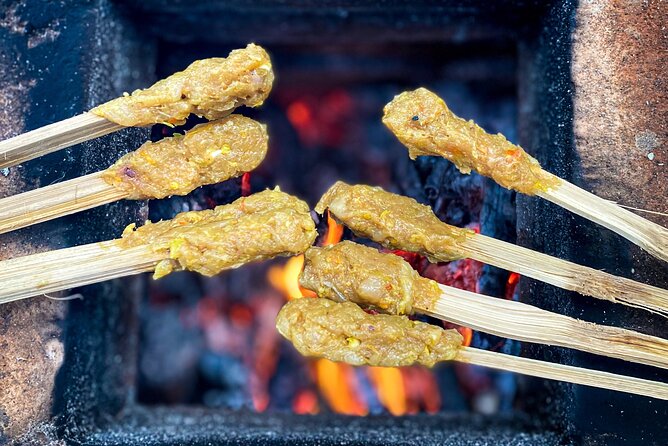
The activity is outdoor and cooking-focused, so you want to show up prepared to move a bit and handle food work.
Based on what’s described (open-air kitchen and open fire cooking), I’d plan for:
- Comfortable shoes you don’t mind getting warm or dusty.
- Clothes that can handle outdoor conditions.
- A good attitude about getting hands-on with ingredients and tools.
You don’t need to bring cooking equipment. That’s included, and the class supplies what you need.
If you’re sensitive to smoke from fire cooking, it may help to dress in layers you can adjust and to position yourself where the chef directs you. The fire element is part of the experience, so the goal is to be comfortable rather than try to avoid it completely.
Logistics That Matter: Mobile Ticket and a Clean Finish
The experience uses a mobile ticket, which keeps things simple. You’re not scrambling for printed papers, and you can keep your booking info on your phone.
The class starts at 8:00 am and ends back at the meeting point. That’s useful because it reduces travel stress after lunch. Once you finish eating, you’re not trying to coordinate a second pickup or find your way across town.
Service animals are allowed, which is a helpful detail if you travel with an animal companion.
Who This Sidemen Class Is Best For
This class is a strong fit if you:
- Want Balinese cooking with actual hands-on time, not just tasting.
- Appreciate cultural context alongside food technique.
- Like small groups and a guided pace.
- Want lunch included in the plan.
- Need an option for vegan meals by request.
It’s also a good choice if you’re the type of traveler who likes your experiences practical: you learn steps you can repeat later, and you leave with a clearer sense of how flavors are built.
Should You Book Mystery Mountain Cooking Class in Sidemen?
Yes, if you want an authentic-feeling Balinese cooking lesson where the setting, the fire cooking style, and the chef-led teaching all work together. The best reason to book is simple: five dishes in four hours with a small group, plus lunch and equipment included, and Ketut sharing both technique and culture.
I’d be cautious if you absolutely need a fully predictable menu, or if your dietary needs go beyond vegan. Since the menu isn’t disclosed ahead of time, you’ll want to be flexible and communicate your needs clearly when you book.
If you’re staying in the Ubud area and you’re ready for a countryside cooking morning in Sidemen, this is the kind of class you’ll remember when you’re craving those spice flavors later.
FAQ
How long is the Mystery Mountain Cooking Class in Sidemen?
It lasts about 4 hours.
What time does the class start?
The start time is 8:00 am.
Where do I meet for the class?
You’ll meet at Bird Hills Bali on Jl. Bukit Juuk Manis, Tangkup, Sidemen.
How many people are in a group?
This activity has a maximum of 6 travelers.
Is lunch included?
Yes. Lunch is included, along with all cooking equipment.
Can I request a vegan menu?
Yes. A vegan menu is available by request.
Can I cancel for a full refund?
You can cancel for a full refund if you cancel at least 24 hours before the experience’s start time. Free cancellation is offered, and cancellations within 24 hours aren’t refunded.
More Bali Reviews & Picks






More Farm & Village Cooking

More of East Bali



Still deciding? More Bali days reviewed, from volcano sunrises to island crossings












East Bali: Lempuyang, Amed & Sidemen, compared.
 ★ 5.0Best of Bali Waterfalls: Tibumana, Tukad Cepung and TegenunganFrom $533,047 reviews
 ★ 5.0East Bali Tour: Gate of Heaven, Water Palace, Sleeping GajahFrom $1001,726 reviews
 ★ 5.0Bali Instagram: Gate of Heaven Temple TourFrom $85737 reviews
 ★ 5.0Bali Instagram Tour – Lempuyang Bali Gate of HeavenFrom $69149 reviews
 ★ 5.0Sidemen Trekking: A Walk from a Different PerspectiveFrom $1394 reviews
 ★ 5.0Bali Waterfalls in One Day: Tukad Cepung, 2 Hidden Waterfall, Kanto LampoFrom $4481 reviews
 ★ 5.0East Bali Tour: Lempuyang Temple – Gate of Heaven, Tirta Gangga, Virgin BeachFrom $4367 reviews
 ★ 5.0Private Full-Day Lempuyang Gate of Heaven TourFrom $4967 reviews
Browse the lists this tour appears in