
Reviewed · FARM & VILLAGE COOKING CLASSES
Afternoon Cooking Class & Making Bali Offering with Dinner
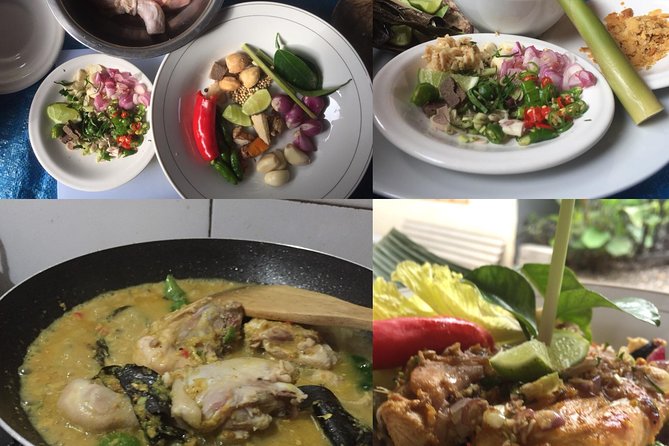
Nine recipes, one Balinese family table. This afternoon cooking class in Ubud mixes hands-on cooking with a real cultural moment, including a canang bali offering. You’ll also learn the core spice paste technique that powers many Balinese dishes, so the whole meal makes sense instead of feeling random.
What I like most is the small-group, family-at-home feel and the way the teaching is structured around practical steps you can copy later. Another strong point is that you’re not just tasting—you’re making a full lineup, then sharing the meal at their place with the people hosting you.
One heads-up: this is the afternoon session, and your class info says there is no market visit here, plus pickup is free only around Ubud center (outside that may cost extra).
In This Review
- Key Things I’d Highlight Before You Book
- Afternoon Cooking Class in Ubud: What It’s Really Like
- Getting There: Ubud Palace Meeting Point and Free Pickup Limits
- Welcome Ritual: Cold Ginger Tea and a Calm Start
- Making Canang Bali: A Small Offering With Real Cultural Weight
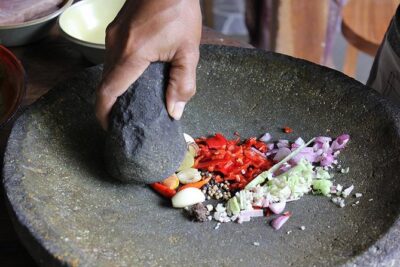
- The Big Skill: Balinese Spice Paste as Your Base Sauce
- Your Hands-On Cooking Block: How the 9 Dishes Likely Flow
- Dinner at the Balinese House: Eat What You Made
- Timing Check: Afternoon Pace and What to Plan Around
- Price and Value: Is $46 a Fair Deal?
- Who This Is Perfect For (and Who Might Not Love It)
- Practical Tips Before You Go
- Should You Book This Afternoon Class?
- FAQ
- FAQ
- What time does the afternoon cooking class start?
- Does this afternoon session include a market visit?
- Is pickup included, and is it free everywhere in Bali?
- How many dishes will I cook?
- Is dinner included?
- Can I cancel for free?
Key Things I’d Highlight Before You Book
- Canang bali offering practice you make yourself as part of the meal-day rhythm
- Balinese spice paste taught as the base sauce for many dishes
- Up to 9 recipes with tasting as you go, not just at the end
- Cold ginger tea welcome to start the session on a calm note
- Round-trip transfers for Ubud center included, with limited group size (max 12)
- PDF recipe handover so your notes don’t disappear after Bali
Afternoon Cooking Class in Ubud: What It’s Really Like
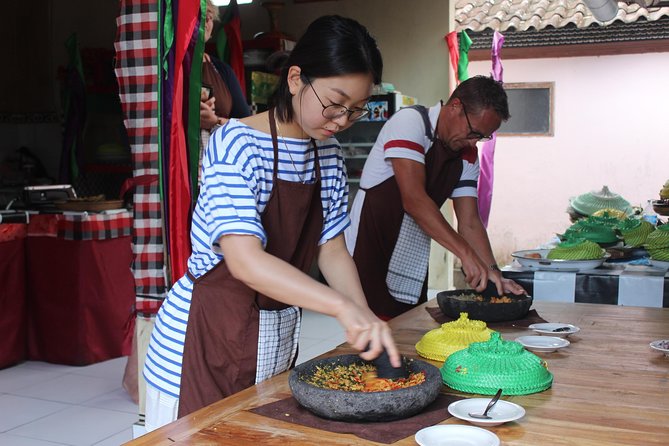
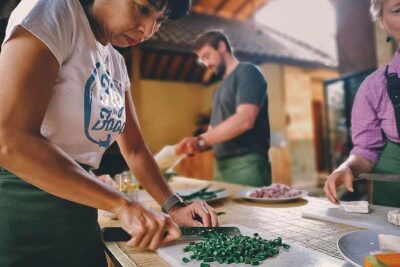
This isn’t one of those “watch someone cook while you snack” experiences. The structure here is built for your hands. You’ll be working through multiple steps across the afternoon—first with a small ceremony-style activity, then with the heavy-hitter cooking skills, and finally with a full dinner you can point to and say, I made that.
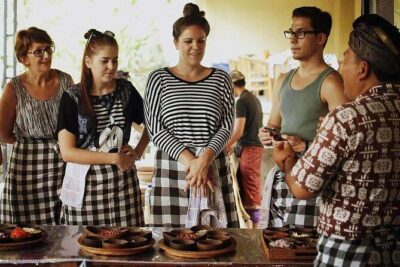
The vibe is family-run. You’re in someone’s home, not a big showroom kitchen. That matters in Bali because so many of the meaningful food moments happen at the table, in the everyday flow of making and sharing. Here, you’re invited into that flow.
And the best part? The cooking doesn’t feel like a list of random recipes. The class emphasizes the foundation ingredient: Balinese spice paste. Once you understand how that base gets made and used, the rest of the dishes feel connected.
More farm and village cooking classes
Getting There: Ubud Palace Meeting Point and Free Pickup Limits
The session starts at 2:00 pm and runs about 5 hours. Your meeting point is at Ubud Palace (Jl. Raya Ubud No.8). The activity is described as being near public transportation, which is useful if you’re already moving around Ubud and want a backup plan.
Pickup and drop-off are included, but with a clear boundary: free pickup is only for Ubud center. If you’re outside that zone, you have to request pickup with additional charges, and it won’t be arranged automatically.
Practical tip: if you’re staying close to central Ubud, this is smooth. If you’re in Canggu-style sprawl or deeper into the hills, message ahead and confirm the exact pickup coverage before you rely on the transfer being free.
Welcome Ritual: Cold Ginger Tea and a Calm Start
You’ll be greeted with a welcome drink of cold ginger tea. It sounds simple, but it sets the tone. In a cooking class, you want your head clear before you start cutting, grinding, mixing, and tasting.
This is also when expectations get laid out: what you’ll make, how the pace works, and how the session will move from ritual to cooking to eating. Having that structure early is one reason these classes tend to go well—when people know what’s next, the whole group stays on track.
Making Canang Bali: A Small Offering With Real Cultural Weight
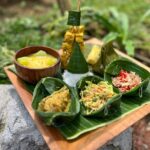
The class includes making a Canang bali offering. Canang offerings are a common Balinese practice—small, meaningful, and part of daily life. In a cooking class, it might seem like a detour, but it isn’t.
The value is that it frames the meal as more than calories. You’re learning that food in Bali often comes wrapped in ritual and care. Even if you don’t treat it like a deep religious experience, making the offering gives you a hands-on entry point into how locals think about everyday moments.
Also, because you’re doing it yourself, you’ll remember the steps. This isn’t a quick “watch and move on” moment.
The Big Skill: Balinese Spice Paste as Your Base Sauce
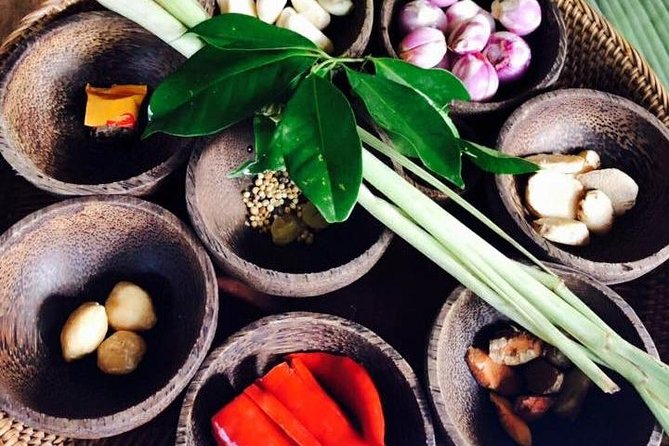
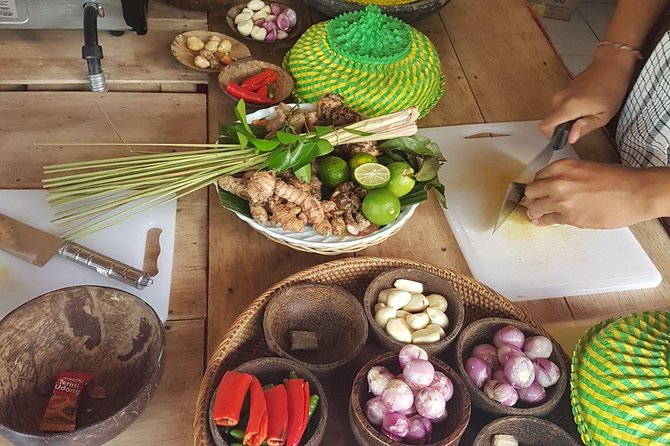
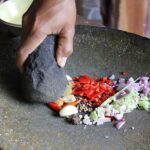
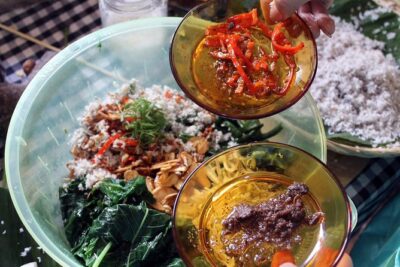
After the offering, you’ll move straight into what many dishes in Bali have in common: Balinese spice paste. The class is designed so you make this paste as a base (a sauce) used across multiple dishes.
This is the part I’d call the skill payoff. A lot of cooking classes teach dishes. This one teaches the engine under the dishes. If you understand the paste, you’re closer to understanding the flavors rather than just copying recipes.
What to expect here:
- You’ll be guided through how the paste comes together.
- You’ll then use that paste as part of the next steps in your cooking lineup.
- As you go, the “why” of flavors becomes clearer.
And because the sessions aim for making up to nine local dishes, the paste lesson isn’t a one-off. It’s your repeated tool.
A few more Bali tours and experiences worth a look



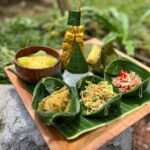
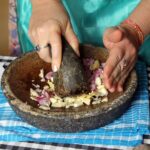

Your Hands-On Cooking Block: How the 9 Dishes Likely Flow
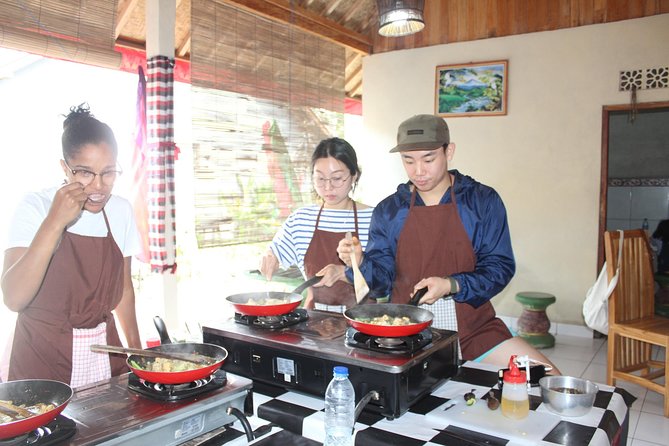
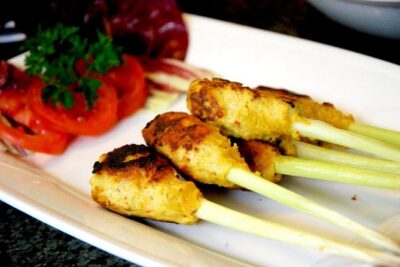
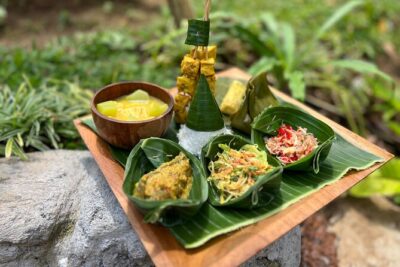
You’ll start making your 9 recipes Balinese food, one by one, with tasting during the process. The cooking is hands-on, but the class is also paced so you’re not stuck in one technique for hours.
A key detail from how these classes typically run here: some of the groundwork may already be handled before you fully start the assembly steps. In other words, you’re not doing every single prep job from scratch for the entire menu at a crawl. That tends to be why the meal can still feel energetic by the end, without exhausting everyone.
Also, the experience is limited to a maximum group size of 12, which helps. With a smaller group, you get more attention if you’re unsure about chopping, mixing, or timing.
Dinner at the Balinese House: Eat What You Made
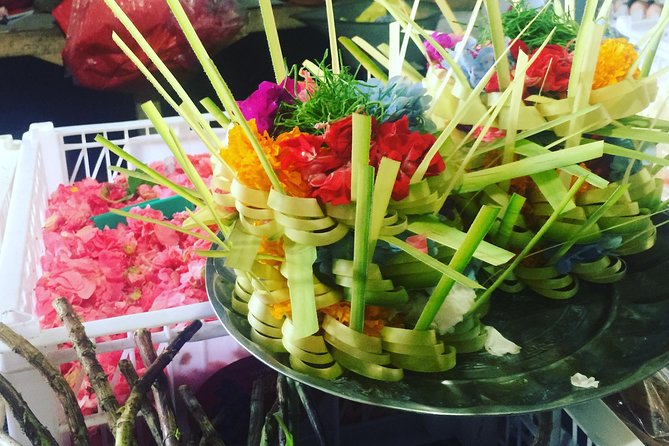
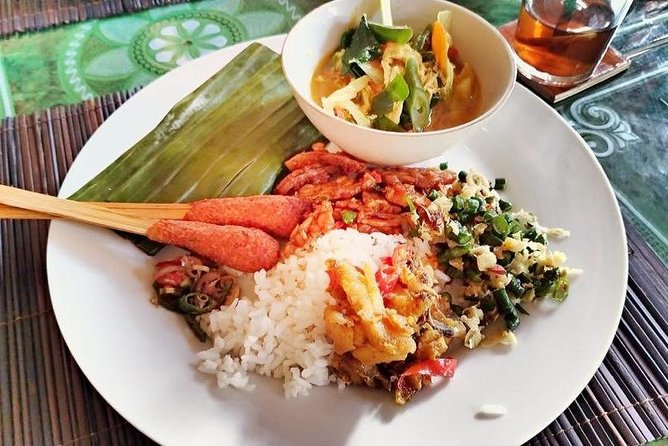
Once your cooking is done, you’ll enjoy your food at a Balinese house—and you’ll eat a large meal that you cooked yourself. This is where the day clicks into place.
Why this part matters: tasting your own food changes how you evaluate flavors. You’ll understand what salt, spice paste, and cooking time did to your dish because you were involved. It’s a lot easier to learn when you can connect result to action.
You’ll also receive mineral water and bottled water as part of the included package, which helps keep you comfortable while cooking and tasting.
A small practical note: the class also includes the chance to share PDF copy recipes (a digital handoff), which is great for reducing post-trip memory loss. You’ll be able to revisit what you made without relying only on photos and guesswork.
Timing Check: Afternoon Pace and What to Plan Around
This is an afternoon class starting at 2:00 pm. That means you’ll likely be fitting it into your Ubud day between other activities.
Because it includes dinner, plan a lighter meal earlier in the day. You’ll be cooking and then eating a full spread, so if you snack too heavily beforehand, you’ll feel it during dinner.
If you want a relaxed Ubud rhythm, do this class on a day where you can stay in the area and avoid a hectic schedule immediately after. The class ends back at the meeting point area, and you’ll want time to cool down and digest.
Price and Value: Is $46 a Fair Deal?
At $46, this class feels like good value for Bali—mostly because you’re getting more than a cooking demonstration.
Here’s where the money goes:
- Local host cooking class (hands-on teaching)
- Dinner that you made
- Round-trip transfers for Ubud center
- Bottled water and mineral water
- A PDF set of recipes (helpful for repeating dishes later)
Also, the group size max at 12 makes a difference for attention and pacing. And because the class includes both cooking and canang offering practice, it’s not just a food workshop—it’s a cultural-food blend.
The main “value risk” is the afternoon format. The info clearly says there’s no market visit for the afternoon class. If you specifically want ingredient shopping as part of the program, you’ll want to double-check whether any other session option offers that.
Who This Is Perfect For (and Who Might Not Love It)
This is a strong fit if you:
- Want hands-on cooking, not just tasting
- Like structured learning where you understand ingredients (spice paste) not only dishes
- Prefer a family-run setup in a smaller group
It may be less ideal if you:
- Travel on tight budgets and can’t pay extra for pickup outside Ubud center
- Expect an afternoon market tour—this session info says it’s not included
- Want a long, slow, guided photography walk instead of a working kitchen day
Practical Tips Before You Go
These aren’t fancy rules. They’re the stuff that makes the day easier:
- Bring cash money for buying things, since cash is requested for purchases.
- If you’re outside Ubud center, confirm pickup charges ahead of time so you’re not surprised later.
- Wear something comfortable for kitchen work. You’ll be hands-on and moving.
- Come hungry, but not starving. You’ll cook and then eat a big meal.
Should You Book This Afternoon Class?
If you want a doable, high-value Bali experience that mixes food skills with a cultural ritual, I’d book it. The class is built around core flavor training (spice paste), you’ll cook multiple dishes (up to 9), and you’ll finish by eating what you made—plus you get a recipe PDF to take home.
I’d think twice only if you’re specifically hunting for an afternoon market visit or you’re far outside Ubud center and don’t want to deal with extra pickup costs.
FAQ
FAQ
What time does the afternoon cooking class start?
It starts at 2:00 pm and runs for about 5 hours.
Does this afternoon session include a market visit?
Your tour details say no market visit is included for the afternoon class.
Is pickup included, and is it free everywhere in Bali?
Pickup is offered, but free pickup and drop-off are only for Ubud center. If you are outside Ubud center, you need to request pickup and there may be additional charges.
How many dishes will I cook?
The class is described as teaching you to cook up to nine local dishes.
Is dinner included?
Yes. The class includes dinner, and you eat the food you cook at the Balinese home.
Can I cancel for free?
Yes. You can cancel up to 24 hours in advance for a full refund. If you cancel less than 24 hours before the start time, the amount paid is not refunded.
More Dining Experiences worth booking around Bali
More Bali Reviews & Picks





More Farm & Village Cooking

Still deciding? More Bali days reviewed, from volcano sunrises to island crossings











Farm & Village Cooking Classes, compared.
 ★ 5.0Ubud Cooking Class Bali with Balinese ChefFrom $351,609 reviews
 ★ 5.0PRIVATE Authentic Balinese Cooking Class in Ubud at Putu’s HomeFrom $75644 reviews
 ★ 5.0Balinese Ubud cooking school (9 Dish Cooking and Market Tour)From $58540 reviews
 ★ 5.0Balinese Farm Cooking Class by Pemulan BaliFrom $39410 reviews
 ★ 5.0Balinese Cooking Class in SeminyakFrom $66281 reviews
 ★ 5.0Balinese Authentic Cooking Class in UbudFrom $39239 reviews
 ★ 5.0PRIVATE Balinese Cooking Class in Ubud with Dewa with TransfersFrom $69213 reviews
 ★ 5.0Balinese Cooking class with traditional morning market visitFrom $35161 reviews
Browse the lists this tour appears in