
Reviewed · FARM & VILLAGE COOKING CLASSES
Authentic Balinese Cooking Class with Jewelry Making Class
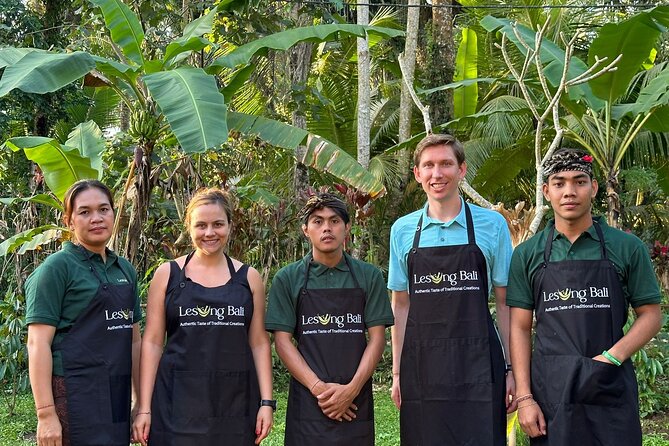
Cooking in Ubud, then crafting your silver sounds perfect. This day pairs Balinese cooking with a traditional market stop, so you start with real ingredients instead of guessing what goes where. I like that it is built around Balinese life and food, with a relaxed rhythm that includes coffee/tea first and a calm walk through the property before the stove time.
My favorite part is the hands-on switch from food to craft: you make your own silver jewelry and take home a personalized souvenir. One thing to consider is the schedule: it starts at 7:00 am and runs about 8 hours, so it is a long day with limited wiggle room if you hate early starts.
In This Review
- Quick Hits Before You Go
- Pickup at 7:00 am: What the Start Feels Like
- Traditional Market Stop: Buying Ingredients the Balinese Way
- Coffee/Tea and a Balinese Compound Welcome
- The Garden Tour and Why It Matters
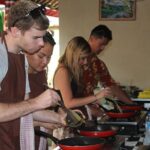
- Your Cooking Class: Hands-On, Not Just Watching
- Lunch After Cooking: A Real Reward
- Jewelry Making Class in North Ubud: Silver, Craft, and Take-Home Pride
- The 7 Grams of Silver: What You’re Really Paying For
- Price and Value in Plain Terms
- Who Should Book This Cooking + Jewelry Day
- Practical Tips for a Smooth, Heat-Smart Day
- Should You Book Lesung Bali’s Cooking and Jewelry Making?
- FAQ
- What time does the experience start?
- How long is the cooking class and jewelry making experience?
- Is hotel pickup included?
- What’s included in the price?
- Is the group size small?
- Can I cancel for a full refund?
Quick Hits Before You Go
- Market-to-meal ingredients: you visit a traditional market to buy what you’ll cook
- Coffee/tea + culture talk first: you get context on daily life and housing style in Bali before cooking
- Kitchen setting with a nature feel: the cooking area is described as especially nice and deep in the setting’s greenery
- Silver jewelry is included (7 grams): you learn jewelry making and use the silver provided
- Small group size: maximum of 15 travelers keeps it more hands-on than assembly-line
Pickup at 7:00 am: What the Start Feels Like
This experience is built for an early start. The start time is 7:00 am, and pickup is offered from your hotel. If you’re the type who likes your day planned but not rushed, this works well. You beat the later crowds and get the day underway while Ubud is still waking up.
You’ll ride in an air-conditioned vehicle, which matters in Bali’s heat, especially when you’ll be out in the morning at a market. The group size stays capped at 15 travelers, so you shouldn’t feel like you’re being shuffled around in a huge tour swarm.
If you don’t enjoy waking up early, treat this as the trade-off: you get a fuller, more varied day (market, cooking, lunch, then jewelry) without cutting any of it short.
More farm and village cooking classes
Traditional Market Stop: Buying Ingredients the Balinese Way
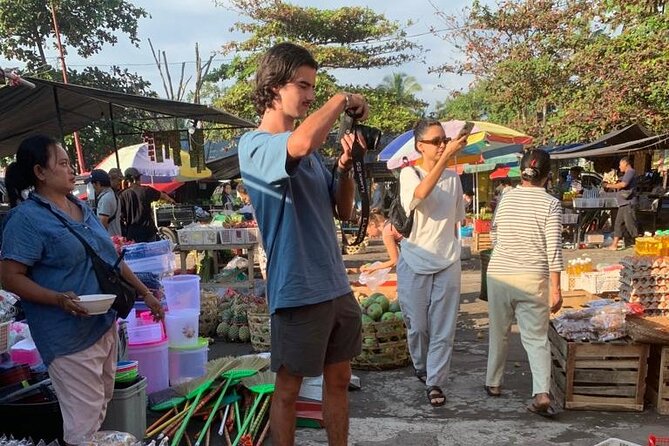
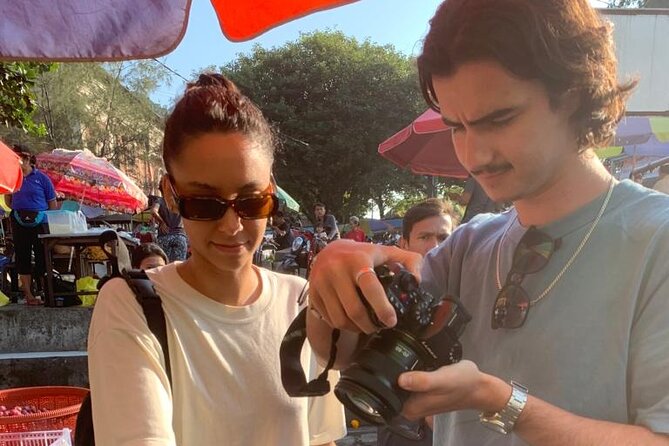
One of the smartest parts of this day is the traditional market visit. Before you cook, you go to a market to buy ingredients for your meal. That means you’re not just learning recipes from scratch. You’re learning what you can actually find locally—and why certain ingredients show up in Balinese cooking.
You can expect the team to help connect the dots between what you buy and what you’ll prepare later. Even if your cooking skills are basic, the market step makes the whole class feel grounded. Spices, aromatics, and other common cooking ingredients stop being mystery items and become part of a real shopping list.
Practical tip: go into this stop with curiosity, not a checklist. Ask questions about what something is and how it’s used. You’ll get more out of the cooking portion because you already saw the ingredients in context.
Coffee/Tea and a Balinese Compound Welcome
After the market, you head to the cooking place and begin with coffee or tea. This is more than a polite pause. It sets the tone: you get time to settle in and slow down before the cooking starts.
The hosts also explain a bit about Balinese culture, life style, and housing style. That kind of quick, human context is valuable because it turns the class into more than instructions. You’re learning the food in the setting where it’s part of everyday life.
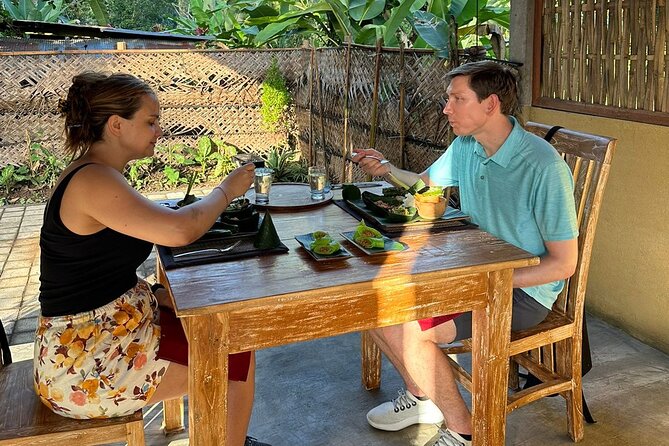
Then comes the walk to the back of the house for a garden tour. This is one of those moments that makes the day feel less like a factory tour and more like a real visit to a home-like compound. It also gives you a mental reset, especially if your morning drive started with jet lag or a too-optimistic breakfast.
The Garden Tour and Why It Matters
The garden tour is short and simple in purpose: you see the space behind the scenes. But it adds meaning to the cooking.
When you understand how the place is arranged—where people live, where plants grow, and how the compound works—you’ll notice small cooking choices more easily. Herbs and ingredients feel less random. The class starts to make sense as a system, not just a recipe collection.
Also, the cooking area is described as overwhelmingly nice and deep in the nature. That matters for comfort. A pleasant setting can turn a long day into a good one, and the mood here tends to stay calm.
Your Cooking Class: Hands-On, Not Just Watching
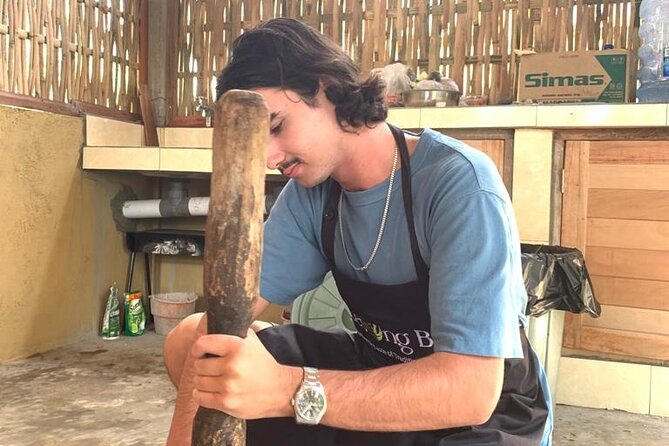
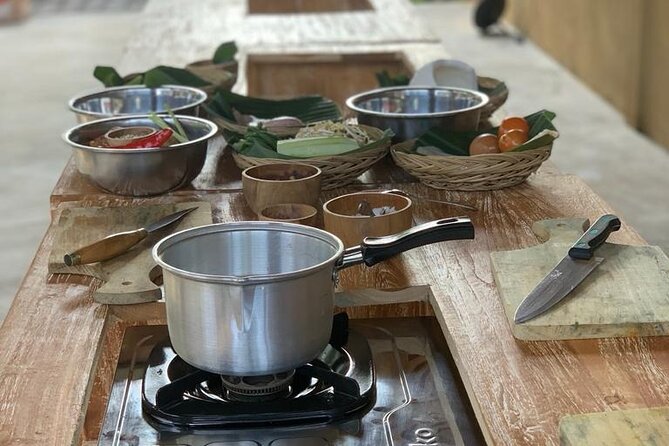
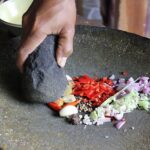
Now you get to cook. The class is led by a Balinese chef who is described as an expert in Balinese food. That matters because Balinese cooking has its own flavors and techniques. If you only follow steps without understanding the why, you’ll have a harder time repeating results later.
Here, the structure helps you learn in layers: you shop first, you get culture context, you tour the property, then you cook. That sequence builds confidence.
You’ll prepare the meal, and once you’re done, you move into lunch. The pacing is described as relaxing, and that shows up in how people talk about the experience—less about stress, more about making something and enjoying the day.
A good way to get value: pay attention to how flavors balance. If you ask questions, focus on what makes a dish taste Balinese. That’s the learning you’ll take home, even after the class ends and you’re back in your own kitchen.
More silver and jewellery workshops



Lunch After Cooking: A Real Reward
Lunch is included, and you eat what you cooked. That’s one of the best parts of any cooking class, because it removes the awkward feeling of training for something you don’t fully taste.
Including lunch also means you don’t have to plan a food stop between cooking and jewelry making. You keep momentum. The day flows.
You’ll also have bottled water available, plus coffee/tea earlier. For a long, active day—market walking plus cooking and then craft—those basic inclusions help the whole experience feel easier.
Jewelry Making Class in North Ubud: Silver, Craft, and Take-Home Pride
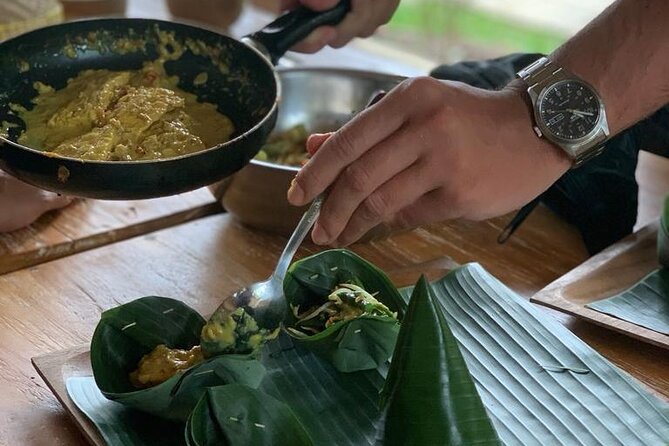
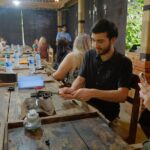
After lunch, you shift gears. The jewelry making class happens in the north side of Ubud. You’ll get driven there, so you’re not handling logistics while you’re hungry or mid-activity.
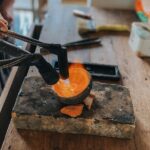
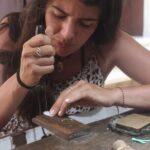
You’ll learn how to make your own jewelry. And yes, this is where the experience becomes more than cooking. You go from making a meal to making an object you’ll actually wear or keep.
The souvenir angle is important here. The class isn’t just theoretical art instruction. It is aimed at letting you take something home that’s yours. That turns the day into a tangible memory, not just photos of spices and food.
The 7 Grams of Silver: What You’re Really Paying For
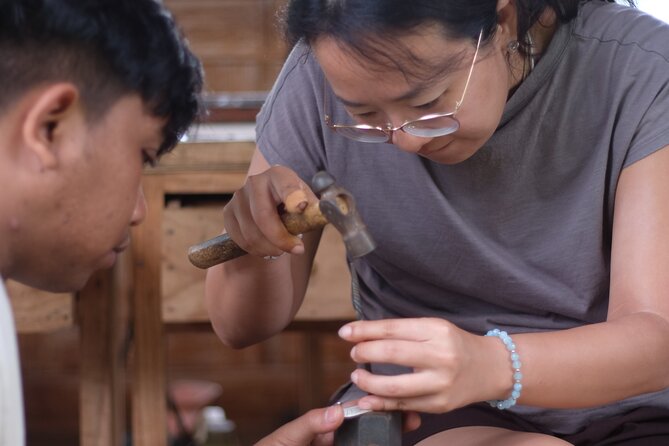
The price includes 7 gr of silver. That detail matters because it signals you’re not just using your hands. You’re using actual material for your jewelry project.
For me, this is where the value becomes easier to see. You’re paying for:
- a guided market visit and cooking class
- lunch and drinks
- air-conditioned transport
- and a chunk of silver for jewelry making
So even if you’re not a dedicated jewelry person, you still get something solid out of the experience. You’re not walking away empty-handed after watching someone else work.
One consideration: the included silver amount is fixed. If you’re imagining a large, complex piece, this might be less of a high-production jeweler’s workshop and more of a guided making session with a set material allotment.
Price and Value in Plain Terms
At $121.63 per person for an about 8-hour day, this sits in the mid-range of Bali activities. The key is what’s bundled.
This isn’t just a cooking demo. It includes:
- coffee/tea
- lunch
- bottled water
- A/C vehicle
- and 7 grams of silver
Plus, the day includes transportation to and from a market and another location in Ubud for jewelry. That can easily add up if you were to piece the day together yourself.
The small group size (maximum 15) also supports value. You’re more likely to get questions answered and stay engaged rather than waiting for your turn.
Who Should Book This Cooking + Jewelry Day
This tour is a good fit if you want a full-day that combines food learning with a creative souvenir.
I’d especially recommend it if:
- you love cooking and want ingredient context, not just a recipe
- you’d like something different from standard cultural performances
- you’re traveling with friends or family and want shared, hands-on activities
- you want a take-home item that feels personal
It may be less ideal if:
- you dislike early mornings (7:00 am start)
- you want a short, relaxed half-day with zero driving
- you expect a jewelry workshop with unlimited materials (the silver amount is included, but that’s the total)
Practical Tips for a Smooth, Heat-Smart Day
Keep it simple and you’ll enjoy it more.
- Wear comfortable clothes for cooking and moving between stops. You’ll likely be in active environments: market, compound, kitchen, then jewelry workshop.
- Use sunscreen and bring a hat. You’re starting early and spending time outdoors.
- Stay hydrated. Bottled water is included, but you can still be mindful if you’re sensitive to heat.
- Bring a positive attitude for switching modes. Cooking can be hands-on and a little messy. Jewelry making is slower and more precise. The day will test your patience in a good way.
If you have any strong preferences, mention them early to your guide. This experience is structured to be guided and supportive, so communication helps.
Should You Book Lesung Bali’s Cooking and Jewelry Making?
If you want a Bali experience that mixes authentic food learning with a real craft output, I think this is an easy yes.
The strongest reasons to book are:
- the ingredient start at a traditional market
- the relaxed, welcoming flow (coffee/tea, then culture talk, then cooking)
- the included 7 grams of silver that turns jewelry making into a genuine take-home result
The main reason to hesitate is time. The 7:00 am start and about 8-hour duration mean you’re committing to a full day. If you can handle early mornings, you’ll likely feel like you got more than your money’s worth because the day includes both skills and a physical souvenir.
If you want a single activity that gives you food, culture context, and something handmade to bring home, book this.
FAQ
What time does the experience start?
It starts at 7:00 am.
How long is the cooking class and jewelry making experience?
The duration is approximately 8 hours.
Is hotel pickup included?
Pickup is offered, and the activity ends back at the meeting point.
What’s included in the price?
Coffee and/or tea, lunch, bottled water, an air-conditioned vehicle, and 7 grams of silver are included.
Is the group size small?
Yes. The maximum group size is 15 travelers.
Can I cancel for a full refund?
Yes. Free cancellation is available up to 24 hours in advance for a full refund. Canceling less than 24 hours before the start time does not receive a refund.
More Bali Reviews & Picks






More Silver & Jewellery Workshops
More Farm & Village Cooking
Still deciding? More Bali days reviewed, from volcano sunrises to island crossings







Farm & Village Cooking Classes, compared.
 ★ 5.0Ubud Cooking Class Bali with Balinese ChefFrom $351,609 reviews
 ★ 5.0PRIVATE Authentic Balinese Cooking Class in Ubud at Putu’s HomeFrom $75644 reviews
 ★ 5.0Balinese Ubud cooking school (9 Dish Cooking and Market Tour)From $58540 reviews
 ★ 5.0Balinese Farm Cooking Class by Pemulan BaliFrom $39410 reviews
 ★ 5.0Balinese Cooking Class in SeminyakFrom $66281 reviews
 ★ 5.0Balinese Authentic Cooking Class in UbudFrom $39239 reviews
 ★ 5.0PRIVATE Balinese Cooking Class in Ubud with Dewa with TransfersFrom $69213 reviews
 ★ 5.0Balinese Cooking class with traditional morning market visitFrom $35161 reviews
Browse the lists this tour appears in