
Reviewed · FARM & VILLAGE COOKING CLASSES
Authentic Balinese Cooking Classes
Food lessons with a market morning. This Balinese cooking class in Jimbaran turns a day of sightseeing into something useful: you shop like a local, cook at your own station, and then eat what you made. I like that you can choose a start time (morning through afternoon), and you get round-trip transfers from a long list of Bali areas without having to organize a taxi.
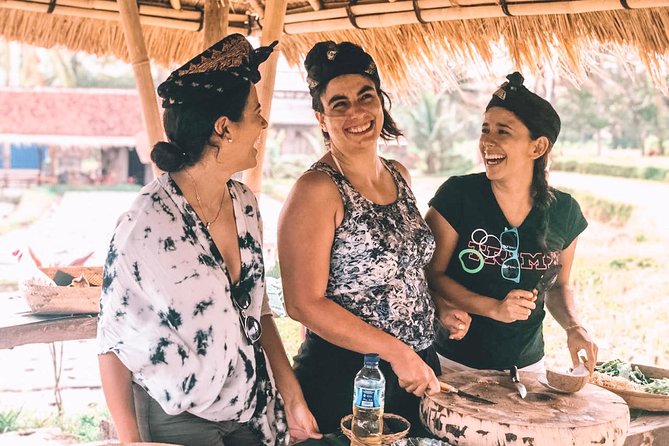
What I especially like is the hands-on format. You don’t watch from the sidelines. You chop, grind, cook, and taste, with utensils and your own cooking spot, and the whole class runs in English with small-group attention (max 10 people). I also like the market angle for morning bookings, where you learn what to pick, what to skip, and how bargaining works in real life.
One thing to consider is timing. One group reported a late pickup and a market that felt less lively than expected, so if you are picky about punctual mornings, I’d confirm your pickup window the day before and plan a little breathing room.
In This Review
- Key Things to Know Before You Go
- Getting From Jimbaran to Bakas (Klungkung) Without Stress
- Start Times, the 6-Hour Flow, and When You’ll Feel Full
- The Morning Market Tour: Bargaining and Choosing Fresh Produce
- Back to the Kitchen: Your Own Station, Your Own Dishes
- What you’ll cook
- Expect questions (and bring curiosity)
- Eating What You Make: The Part That Turns Lessons Into Memories
- Value for $65: What You’re Paying For (and What You Should Check)
- Language, Group Size, and Why Max 10 Changes Everything
- Practical Tips So Your Class Goes Smoothly
- Should You Book This Balinese Cooking Class?
- FAQ
- What dishes will I cook and eat?
- Is the cooking class hands-on?
- Do I get a market tour?
- What language is the class taught in?
- How large is the group?
- How long is the class?
- Is pickup included?
- Can I choose my start time?
- Where is the class located?
- How does cancellation work?
- Do I receive a ticket on my phone?
Key Things to Know Before You Go
- Small-group size (max 10): enough attention to actually cook, not just hover.
- You pick your start time: morning market option or an afternoon class, depending on what fits.
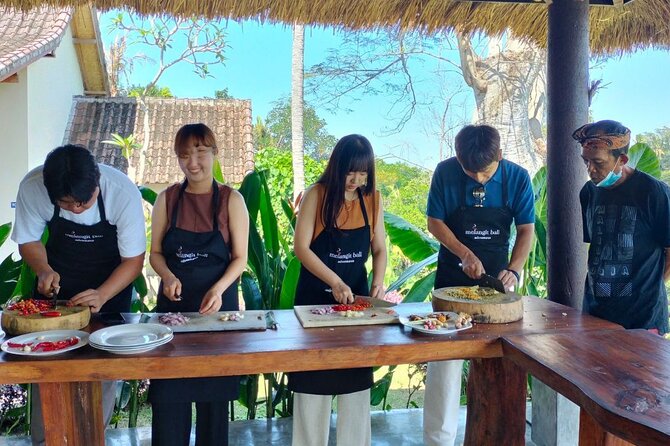
- Hands-on kitchen stations: utensils provided; you do the work at your own station.
- Market bargaining for morning bookings: learn what looks fresh and how to negotiate.
- Classic Balinese dishes: satay, nasi goreng, and black rice pudding are part of the menu.
- Transfers from many bases: Seminyak, Legian, Kuta, Nusa Dua, Jimbaran, Sanur, Ubud, Denpasar, and Benoa Harbor.
Getting From Jimbaran to Bakas (Klungkung) Without Stress
Even if you’re staying around Jimbaran, the cooking happens in Bakas, Klungkung Bali. That’s the key detail: you’re not just doing a cooking demo at a hotel kitchen. You’re leaving your beach base, heading inland, and spending time in a real Balinese setting.
The practical win is that transfers are included. The pickup coverage is broad, including Seminyak, Legian, Kuta, Nusa Dua, Jimbaran, Sanur, Ubud, Denpasar, and Benoa Harbor. If you’ve ever tried to piece together a reliable driver in Bali, you already know how valuable this is. It removes a big chunk of day-planning friction.
One more plus: the class has mobile ticket support and confirmation at booking. That matters because cooking classes can be chaotic if you don’t have your details lined up.
More of Bali worth booking, from the Ubud rice terraces to the reefs off the Bukit.



Start Times, the 6-Hour Flow, and When You’ll Feel Full
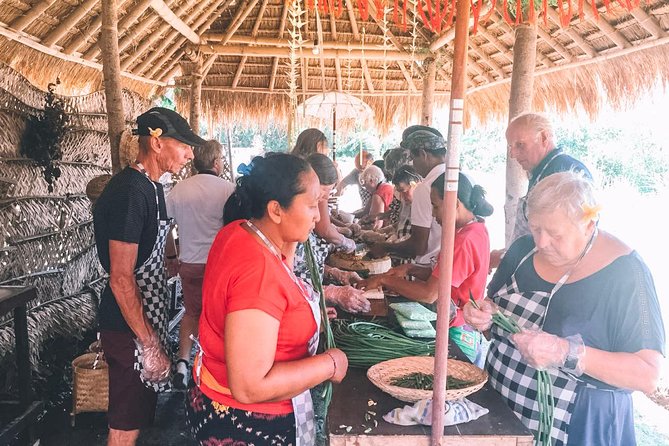
This experience runs about 6 hours. You can pick a start time, morning through afternoon. On morning bookings, the day starts with a market trip, which changes the feel of the whole class. It’s not only about cooking; it becomes a tour of how ingredients become dinner.
Here’s what I think you should mentally plan for:
- You’ll likely spend time on the road at the start (pickup to location), then move through the market and cooking segments.
- Expect a relaxed but active pace. You’ll be chopping, grinding, and cooking, so your hands will do more work than your brain.
- By the end, you should be ready for a proper meal. The class is designed around cooking and eating what you make.
If you’re an early bird, the morning market option is the smarter choice. If you want a slower day, choose the afternoon start so you can sleep in, do a beach walk, or fit in one last temple visit.
A small caution based on real-world timing feedback: one experience was delayed enough that the market part felt off. You can’t control traffic, but you can control your own schedule buffer. If you have a dinner reservation the same night, keep it flexible.
The Morning Market Tour: Bargaining and Choosing Fresh Produce
For morning classes, you begin with a trip to a local market. Bali markets open early, and that early timing helps you see produce at its best. The class focuses on the practical side: the chef explains Balinese tastes and customs, and you learn about local meats, fish, and produce.
What you’re really practicing here is decision-making. The market tour isn’t only scenic shopping. It’s a lesson in selecting ingredients you can trust:
- What looks fresh
- What to reject
- How bargaining works in a straightforward, day-to-day way
That bargaining piece is genuinely useful, even if you never cook again. Once you understand what sellers expect to be offered, you stop feeling like you’re guessing.
You’ll also pick up a sense of local habits—how people buy, how ingredients are used, and why certain flavors matter in Balinese cooking. Even if your language skills are basic, you’ll learn the rhythm of the interaction.
And yes, if you get the right conditions, the trip can come with great nature views. One guest highlighted a rainforest-like view while cooking, and another mentioned rice fields near the location. I can’t promise that every day will look identical, but the setting is often the part people remember.
Back to the Kitchen: Your Own Station, Your Own Dishes
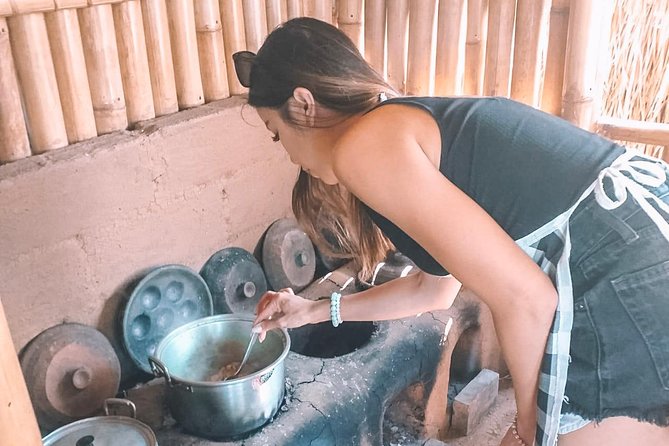
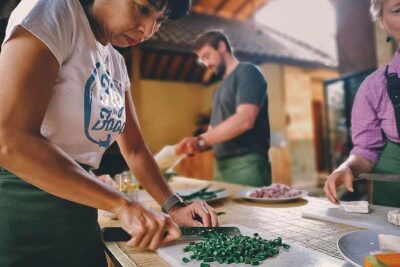
The cooking class is completely hands-on and conducted in English. There’s a maximum of 10 participants, and that limit is what makes the experience feel personal. With smaller numbers, the chef can correct your cuts, answer questions, and guide you when techniques get tricky.
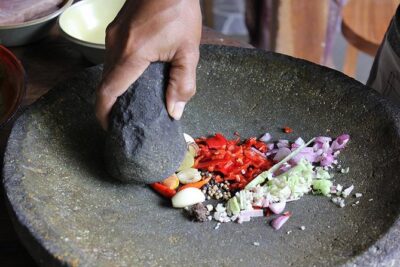
You’re provided your own cooking station and utensils. That matters because Balinese cooking can involve several steps: chopping, grinding, and building flavor in stages. If you’re stuck watching, you’ll remember the food but not the method. If you cook, you leave with habits you can repeat at home.
What you’ll cook
The menu includes classic Balinese favorites:
- Satay: learn how the flavors work and how the grilling or cooking step fits the broader taste.
- Nasi goreng: not just fried rice, but a Balinese-style version that teaches you how to balance ingredients.
- Black rice pudding: a sweet finish that gives you more than one texture and flavor profile.
You’ll also feel the rhythm of a local kitchen. The class is built around moving from ingredients to tools to heat, and then to tasting. That’s where the real learning happens.
A few more Bali tours and experiences worth a look



Expect questions (and bring curiosity)
Because the class is limited to 10 people, you can actually ask why certain ingredients are used and how the cooking choices shape the final taste. If you tend to ask questions while cooking at home, you’ll do well here.
Eating What You Make: The Part That Turns Lessons Into Memories
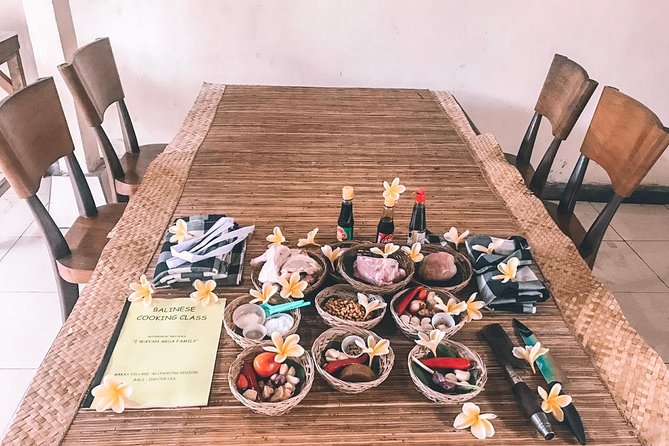
After you cook, you eat. This is not one of those experiences where you taste two bites and leave. The point is the whole meal—so you can connect flavor to method.
This matters for two reasons:
- You’ll understand what you got right (and what you missed) while you’re still in the same mindset as the cooking.
- When you leave, the recipes and notes make more sense because you’ve tasted the results firsthand.
Some guests also mentioned the passion of the people running the class and how it felt connected to community and culture. Even if you’re not chasing a deep cultural lecture, you’ll notice when people genuinely care about what they serve.
Value for $65: What You’re Paying For (and What You Should Check)
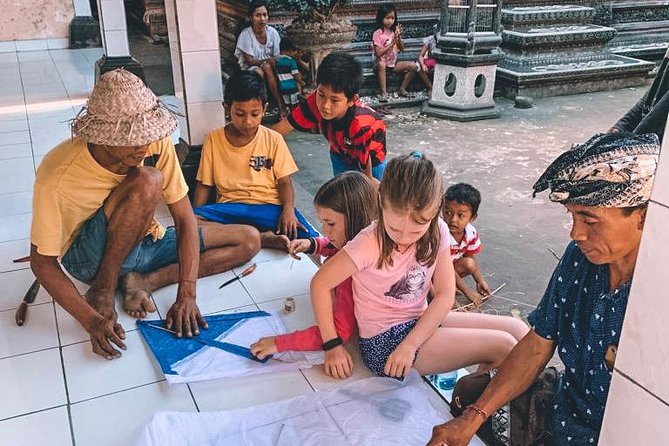
At $65 for about 6 hours, you’re paying for three things at once:
- Instruction: in English, hands-on, small-group size.
- Food: you cook and eat Balinese dishes, including satay, nasi goreng, and black rice pudding.
- Transport: round-trip transfers from many popular Bali bases.
The transport part is a big value driver. Even if you never use the “included transfer” benefit when comparing prices on paper, it affects your day in real life. You avoid the stress of finding a driver for a time slot that may not fit typical taxi demand.
So who gets the best value?
- Couples and small groups who want a real cooking lesson, not a casual meal.
- Travelers staying in areas covered by the pickup list who would otherwise spend time coordinating transport.
- People who like doing a hands-on activity during a trip, and who want recipes they can actually recreate.
Who might feel less satisfied?
- If you’re very strict about timing and hate delays, you’ll want to confirm your pickup and keep your schedule flexible.
- If you only want a quick taste without cooking, this is probably more work than you expect.
Language, Group Size, and Why Max 10 Changes Everything
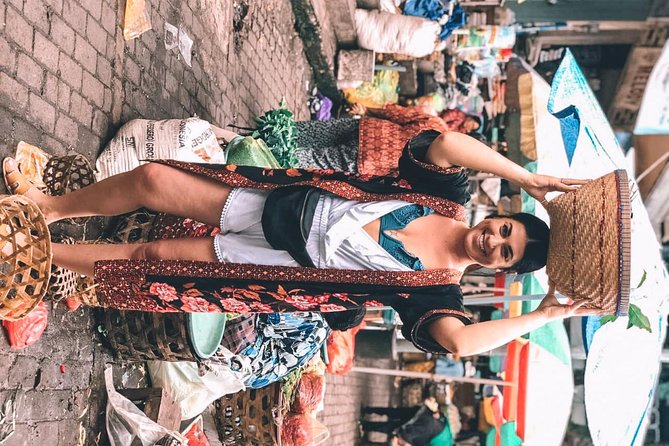
English instruction is listed, and the class is limited to 10 participants. That’s not just a comfort feature. It affects how much you can learn.
With a small group, you’re more likely to:
- Get corrections while you’re actively cooking
- Learn why certain steps matter, not only what to do
- Avoid spending the whole class waiting for a chef’s attention
If you’ve ever done a large tour and felt lost in the crowd, this format is a relief. It’s built to keep you working at your own station while still feeling supported.
Practical Tips So Your Class Goes Smoothly
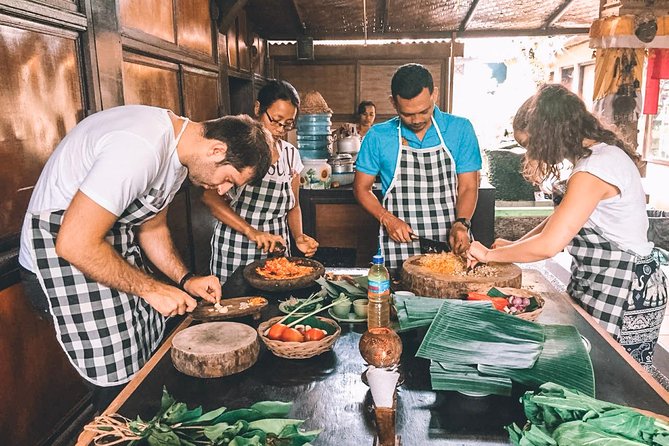
Based on what’s known about the experience, here’s how to make it go your way:
- Choose the morning market if you care about bargaining and ingredient selection. That part is explicitly tied to morning bookings.
- Pick a start time that doesn’t force you into a tight schedule afterward. One experience report involved late pickup, and road time in Bali can vary.
- Bring a good attitude toward hands-on cooking. You’ll be doing real tasks—chopping, grinding, and cooking.
- Wear clothes you don’t mind getting splashed or smudged. Even with utensils, cooking can get messy.
- If you’re hoping to recreate dishes at home, pay attention to how the chef explains ingredient choices at the market. That’s where the flavor logic starts.
Should You Book This Balinese Cooking Class?
I’d book it if you want a real cooking lesson with a market component and you like learning by doing. The mix of small-group size, English instruction, hands-on cooking stations, and round-trip transfers from many Bali areas makes it strong value for $65.
Skip it or book with extra timing awareness if you have immovable plans right after pickup or you’re extremely sensitive to delays. The cooking itself is the main event, and it’s most enjoyable when you arrive on time, hungry, and ready to cook.
If you’re aiming to bring home more than photos—and you want to confidently cook satay, Balinese-style nasi goreng, and black rice pudding—this is the kind of day that pays you back every time you make it again.
FAQ
What dishes will I cook and eat?
The class includes Balinese dishes such as satay, nasi goreng, and black rice pudding.
Is the cooking class hands-on?
Yes. It’s described as completely hands-on, with students using their own cooking station and utensils to prepare and cook the dishes themselves.
Do I get a market tour?
Morning bookings start with a trip to a local market, where you learn about ingredients and practice bargaining and selecting produce.
What language is the class taught in?
The cooking class is conducted in English.
How large is the group?
The experience is limited to a maximum of 10 travelers.
How long is the class?
The duration is approximately 6 hours.
Is pickup included?
Yes, transfers are included. Round-trip transfers are offered from Seminyak, Legian, Kuta, Nusa Dua, Jimbaran, Sanur, Ubud, Denpasar, and Benoa Harbor.
Can I choose my start time?
Yes. You pick the start time that works for you, with options from morning through afternoon.
Where is the class located?
The cooking class is associated with Bakas, Klungkung Bali.
How does cancellation work?
Free cancellation is available up to 24 hours in advance for a full refund.
Do I receive a ticket on my phone?
Yes. The experience includes a mobile ticket.
More Bali Workshops & Classes
More Bali Reviews & Picks



Still deciding? More Bali days reviewed, from volcano sunrises to island crossings











Farm & Village Cooking Classes, compared.
 ★ 5.0Ubud Cooking Class Bali with Balinese ChefFrom $351,609 reviews
 ★ 5.0PRIVATE Authentic Balinese Cooking Class in Ubud at Putu’s HomeFrom $75644 reviews
 ★ 5.0Balinese Ubud cooking school (9 Dish Cooking and Market Tour)From $58540 reviews
 ★ 5.0Balinese Farm Cooking Class by Pemulan BaliFrom $39410 reviews
 ★ 5.0Balinese Cooking Class in SeminyakFrom $66281 reviews
 ★ 5.0Balinese Authentic Cooking Class in UbudFrom $39239 reviews
 ★ 5.0PRIVATE Balinese Cooking Class in Ubud with Dewa with TransfersFrom $69213 reviews
 ★ 5.0Balinese Cooking class with traditional morning market visitFrom $35161 reviews
Browse the lists this tour appears in