
Reviewed · FARM & VILLAGE COOKING CLASSES
Bali Cooking Class with Culture Experience
Fresh starts are best in Bali. This one begins at dawn’s market and ends with a full meal you cook. You’ll love the market-to-kitchen flow and the warm, family-style welcome from Dewa. One thing to consider: it’s an early 7:30am start, so plan your trip around that morning energy.
For me, the standout is how much you actually learn—not just what to cook, but what ingredients mean in Balinese daily life. You also get a take-home illustrated booklet with menu, recipes, directions, photos, tips, and space for notes, so the experience doesn’t vanish after lunch. The only drawback is the pace: since you’re moving from market to home to cooking pavilion, bring comfy shoes and expect a fairly full 6 hours.
In This Review
- Key Points Before You Go
- Why The 7:30am Market Start Feels Like Real Bali
- Meeting Dewa and Getting the Family-Compound Welcome
- Lobong Cooking Pavilion: What You’ll Actually Cook (Menu-Style)
- Breakfast Snack, Banana Fritters, and Lunch You Prepare
- The Illustrated Recipe Booklet: Your Real Souvenir
- Transfers, Group Size, and Timing: How to Plan Your Morning
- Price and Value: Is $62 Reasonable for This Format?
- Who This Bali Cooking Class Suits Best
- Should You Book Lobong Bali Cooking Class? My Take
- FAQ
- What time does the experience start in Ubud?
- How long is the Bali cooking class experience?
- Is hotel pickup included?
- How many people are in the group?
- Do you include market shopping and ingredient explanations?
- What meals and snacks are included?
- Is there a take-home booklet?
- What is the cancellation policy?
Key Points Before You Go
- 7:30am start makes the market experience feel fresh and calm
- Small group (max 12) keeps questions and hands-on cooking realistic
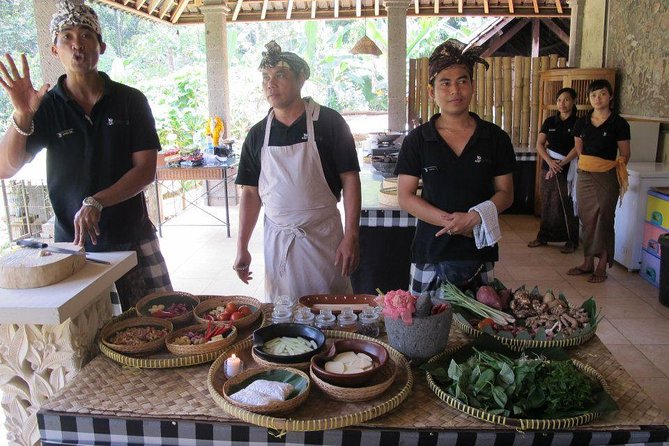
- Dewa’s welcome includes hot coffee or tea (or mineral water) plus Pisang Goreng (banana fritters)
- You cook a full menu with appetizers, multiple entrees, sides, and dessert
- Take-home illustrated booklet helps you recreate the dishes after you return
Why The 7:30am Market Start Feels Like Real Bali
Ubud cooking classes often rush the story. This one starts with a typical morning market, so you see ingredients at their best—color, smell, and texture still at peak.
Your Family Host shops for what you’ll cook, and you’ll get explanations along the way about herbs, spices, fruits, and vegetables used in Balinese food. If you usually buy spices without knowing what they do, this is where everything starts to make sense.
The timing matters. A 7:30am start means you’re in the right zone for freshness, and you’re back in time for the rest of your day without turning your afternoon into a lost day in traffic. Just treat it like a proper morning plan, not a late breakfast stroll.
More farm and village cooking classes

Meeting Dewa and Getting the Family-Compound Welcome
After the market, you head home to a Balinese family compound, where the atmosphere shifts from street-market activity to a calmer, more personal setting. You’re greeted by Dewa with something hot to drink—coffee or tea—or mineral water, along with Pisang Goreng, fresh made crispy banana fritters.
It’s a small moment, but it does two useful things: it gives you fuel before you cook, and it sets a relaxed tone for the cultural chat that follows. While you sip, you’ll learn about Balinese life, including families and home shrines, with staff double-checking the cooking pavilion is ready.
One review mentioned a ritual of gratitude after the meal. That fits the overall vibe here: food isn’t treated like a performance. It’s tied to everyday beliefs and hospitality.
Lobong Cooking Pavilion: What You’ll Actually Cook (Menu-Style)
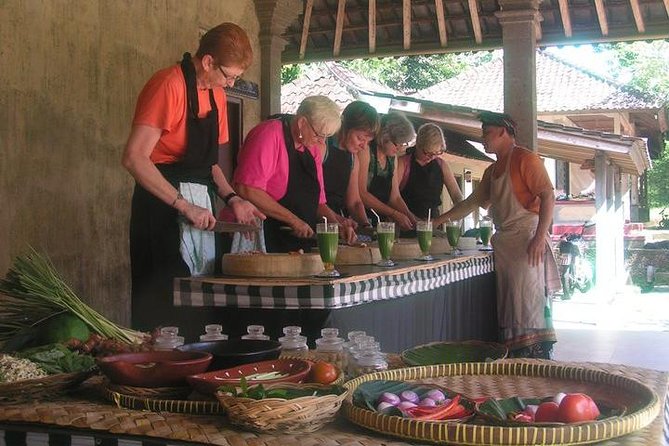
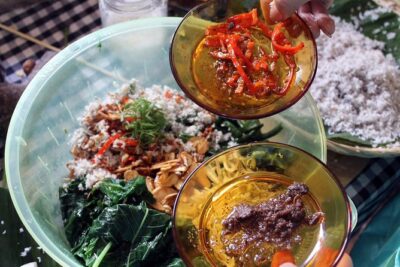
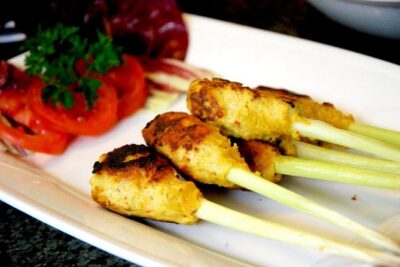
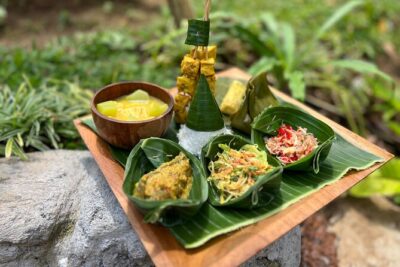
This class is built around cooking a full menu, not a single dish workshop. You’ll cook and prepare appetizers, multiple entrees, accompanying side dishes, and dessert—so you leave with more than a recipe or two.
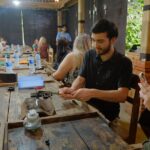
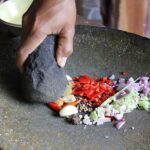
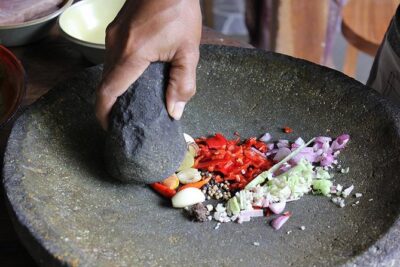
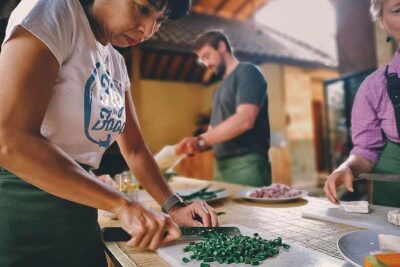
At the cooking pavilion, the pace is hands-on. You’ll work through herb and spice usage, ingredient prep, and the steps that turn raw items into a coordinated meal. Even if you’re not an experienced cook, the structure helps: appetizer first, then the main spread, then sides, then dessert.
The value here is practical. When you understand what goes into Balinese dishes and how they connect across a meal, you’re more likely to reproduce it at home instead of relying on memory.
Breakfast Snack, Banana Fritters, and Lunch You Prepare
You’ll get a breakfast snack before cooking gets serious. The most memorable starter is the banana fritters—Pisang Goreng—arriving warm and crispy with your hot drink. It’s not just a snack. It’s also a quick taste of the flavors you’ll see again in Balinese cooking.
Then comes lunch, and this is where the experience wins a lot of fans. You’ll enjoy a delicious meal you’ve prepared yourself after the cooking portion. One review called the lunch incredible, which matches the logic of the format: you cook it, you taste it, and you understand what each part is supposed to be.
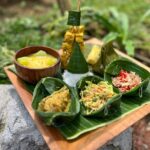
Dessert is the final course. You’ll finish by enjoying your freshly made dessert at the home where the class takes place. That makes the end feel complete, not like you took a cooking class and left before tasting the work.
The Illustrated Recipe Booklet: Your Real Souvenir
Most cooking classes give you recipes that feel like photocopies. This one gives you an illustrated instructional gift booklet with the kind of details that help you recreate results.
You get:
- the menu and recipes
- directions and photos
- tips (helpful for the parts that are easy to get wrong)
- space for your own notes
If you love cooking, this is a big deal. You can use it as a checklist the next time you shop for herbs and spices. And if you’re the type who takes notes while cooking, the booklet’s blank space means you can record what worked in your kitchen.
The best part: you’re not just taking home food memories. You’re taking home instructions you can actually use.
A few more Bali tours and experiences worth a look


Transfers, Group Size, and Timing: How to Plan Your Morning
This experience includes round-trip transfers from central Ubud hotels, and pickup is offered. For most visitors, that’s worth something. Early morning traffic can be tricky in Ubud, and the start time is fixed at 7:30am, so being stress-free matters.
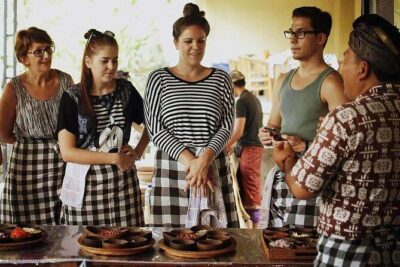
Group size is capped at 12 travelers, which keeps the class from feeling like a factory line. It also helps staff manage questions and keep the cooking pavilion moving.
Duration is listed as about 6 hours, so plan accordingly. If you try to squeeze it between two other early tours, you’ll likely feel rushed. I’d treat this as the anchor event of your day.
Tip for comfort: you’ll be on your feet at the market and then cooking at the pavilion. Wear shoes you can walk in and a light layer for morning air.
Price and Value: Is $62 Reasonable for This Format?
$62 is not the cheapest Bali cooking class, but it also isn’t priced like a luxury food show. What you’re paying for is the full package: hotel pickup and return transfers, a professional chef-led experience, a market stop for ingredients, guided explanations, and a complete menu including lunch and dessert.
In other words, you’re paying for:
- time with a chef and family hosts
- ingredient sourcing at a real morning market
- the full meal outcome (not just one bite-sized demo)
- the illustrated booklet you can use later
If you compare it to buying ingredients plus cooking lessons on your own, this starts to feel fair. You’re getting structure, cultural context, and food results, all in one morning.
Who This Bali Cooking Class Suits Best
I think this fits best if you want something more grounded than a photo-heavy cooking demo. The market component helps, and the family setting adds meaning beyond the food.
This class is especially good for:
- food lovers who want a repeatable home-cooking outcome
- couples or small groups who like a personal vibe (the group max is 12)
- travelers interested in Balinese everyday life, including home shrines and family hospitality
- anyone who prefers learning ingredients and methods, not just copying a dish
If you only want a quick snack and a single recipe, you might find the full menu format feels like work. But if you enjoy cooking and want a real meal experience, you’ll likely feel well fed—literally and educationally.
Should You Book Lobong Bali Cooking Class? My Take
I’d book this if you want a morning with purpose: start at the market, cook a full Balinese menu, and leave with a booklet that makes your results more likely at home. The combination of small-group size, Dewa’s welcoming start, and the fact that you cook and eat what you make is what makes it worth your time in Ubud.
Skip it only if you hate early mornings or you’re looking for a short, low-effort activity. Otherwise, this one is set up to give you both flavor and context, without feeling staged.
FAQ
What time does the experience start in Ubud?
The start time is 7:30am.
How long is the Bali cooking class experience?
It lasts approximately 6 hours.
Is hotel pickup included?
Yes, pickup is offered, and round-trip transfers are included from central Ubud hotels.
How many people are in the group?
The experience has a maximum of 12 travelers.
Do you include market shopping and ingredient explanations?
Yes. You’ll tour a typical morning market and shop for ingredients, with explanations of herbs, spices, fruits, and vegetables.
What meals and snacks are included?
You’ll have a breakfast snack, lunch that you prepare, and dessert you make and enjoy.
Is there a take-home booklet?
Yes. You’ll receive an illustrated instructional gift booklet with the menu, recipes, directions, photos, tips, and space for notes.
What is the cancellation policy?
Free cancellation is available. You can cancel up to 24 hours in advance for a full refund, based on local start time.
More Bali Workshops & Classes
More Bali Reviews & Picks






More Farm & Village Cooking
Still deciding? More Bali days reviewed, from volcano sunrises to island crossings











Farm & Village Cooking Classes, compared.
 ★ 5.0Ubud Cooking Class Bali with Balinese ChefFrom $351,609 reviews
 ★ 5.0PRIVATE Authentic Balinese Cooking Class in Ubud at Putu’s HomeFrom $75644 reviews
 ★ 5.0Balinese Ubud cooking school (9 Dish Cooking and Market Tour)From $58540 reviews
 ★ 5.0Balinese Farm Cooking Class by Pemulan BaliFrom $39410 reviews
 ★ 5.0Balinese Cooking Class in SeminyakFrom $66281 reviews
 ★ 5.0Balinese Authentic Cooking Class in UbudFrom $39239 reviews
 ★ 5.0PRIVATE Balinese Cooking Class in Ubud with Dewa with TransfersFrom $69213 reviews
 ★ 5.0Balinese Cooking class with traditional morning market visitFrom $35161 reviews
Browse the lists this tour appears in