
Reviewed · FARM & VILLAGE COOKING CLASSES
Exclusive Authentic Balinese Cooking Class at Family home
Cooking starts before the stove.
This Ubud-area family cooking class pairs a real Payangan Market stop with a hands-on session in a traditional open kitchen, then finishes with the meal you make. You’ll work with local ingredients, learn how Balinese flavor is built, and eat what you cooked—breakfast-bright for the morning class or late-afternoon for the night class.
I especially like two things. First, the market visit gives you context for what you’re buying and why, not just a list of spices. Second, the class is genuinely hands-on—you do the chopping, pounding, grinding, grilling, and the tasting as you go, with an expert local chef guiding the process.
One thing to plan for: this experience needs good weather and runs about 6 hours, so comfortable clothing and patience for a warm, active outdoor kitchen setup really help.
In This Review
- Key highlights worth planning for
- A Family-Home Cooking Class Near Ubud
- Payangan Market: Finding Flavors Before You Cook
- Welcome Drink and Compound House Tour
- Traditional Spice Prep: Stone Mortar and Wooden Blocks
- Hands-On Cooking: How Your 6 Hours Actually Feel
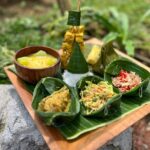
- The Menu: Vegetarian-Friendly Balinese Courses You Make
- Timing, Transport, and Group Size (Including the 6-Person Car)
- Price and Value: What $75 Really Covers
- Should You Book This Ubud Cooking Class at a Family Home?
- FAQ
- How long is the Balinese cooking class near Ubud?
- Do you include hotel pickup and drop-off?
- What is the group size limit?
- Can I request vegetarian food?
- What market do you visit?
- What dishes are included in the class?
- Is there a minimum age for participants?
Key highlights worth planning for
- Payangan Traditional Farmer Market (and night market for afternoon classes): you see what locals buy, not just what’s staged for tourists.
- Family compound setting: a closer look at everyday Balinese life in a home environment and open kitchen.
- Stone-mortar + wooden-chopping-block spice method: you learn two core ways Balinese cooks prep spice bases.
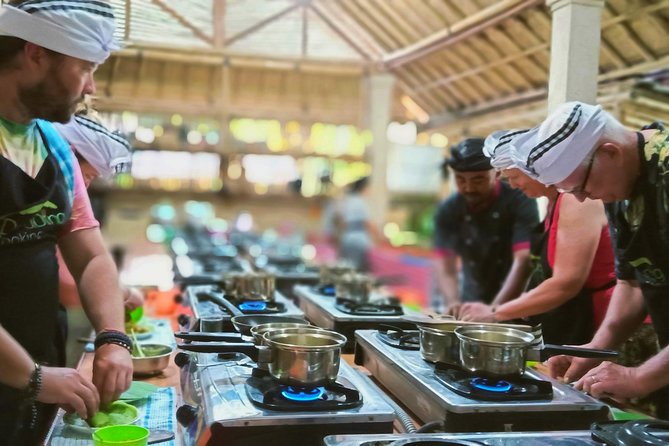
- Every participant has a station: tools, ingredients, and space are set up so you cook, not just watch.
- You take home practical skills: recipes book plus a Culinary Workshop Certificate.
- Vegetarian options are real: several dishes can be made vegetarian if you request in advance.
A Family-Home Cooking Class Near Ubud
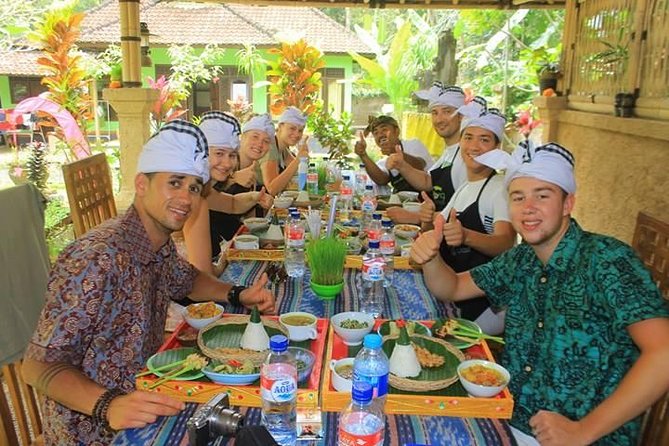
If you want your Bali cooking class to feel like something locals would actually recognize, this is the right direction. Instead of a demo followed by a quick taste, you’re working inside a Balinese compound-style family home setup with a traditional open kitchen feel. That matters because Balinese cooking is all about process: how ingredients are treated, ground, mixed, grilled, and layered.
The class is private for your group, with a minimum of 1 and a maximum of 12 people. That small ceiling is a big deal. You’ll get enough attention to ask questions, and you won’t spend half the time waiting your turn.
You’ll also get the full “meal arc.” The session starts with a market stop, then moves to spice prep, then finishes with you eating what you made—either lunch (morning) or dinner (afternoon). For many people, that’s the point. You don’t just learn techniques. You get practice, then you get payoff.
More farm and village cooking classes
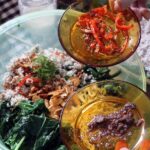
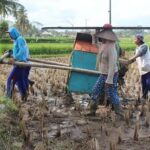
Payangan Market: Finding Flavors Before You Cook
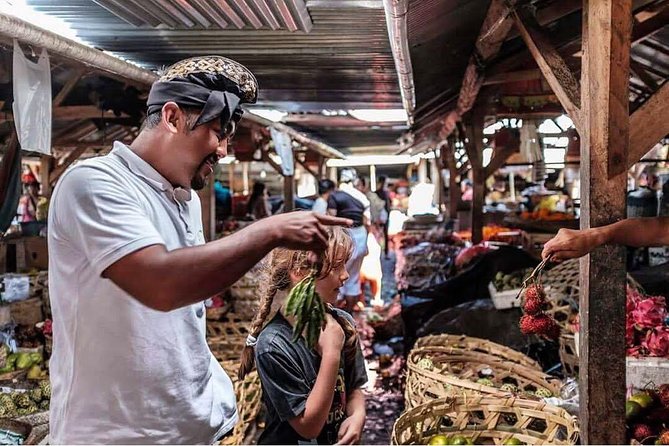
Your first stop is the Payangan Traditional Farmer Market, and the timing changes the vibe. If you book the morning class, the day’s market focus is on the morning market. If you book the afternoon class, it shifts to the night market.
Either way, you’re going in with a purpose: to learn how the ingredients show up in real life. The chef teaches you about what’s used in Balinese cooking—especially the spice ingredients and vegetables you’ll later prep at home. This is the part that helps the class stick in your brain, because you connect names to items you actually saw and handled.
Market time also gives you a better sense of portion and variety. Balinese cooking uses a lot of fresh inputs and spice bases, so seeing the ingredients early helps you understand why the rest of the cooking feels the way it does.
Welcome Drink and Compound House Tour
After the market, you head to the family property for a welcome moment and a short taste of Balinese sweetness. You’ll be greeted with Bali coffee or tea plus Balinese cake before cooking begins.
Then comes the compound house portion. Even if you’ve toured other homes in Ubud, this one is different because it’s directly tied to the kitchen lesson. You’re not walking around for photos. You’re seeing where food prep fits into day-to-day family life.
From what’s shared in past sessions, the family may also talk about elements of their lifestyle (like keeping bees for honey). You might even meet pets that are part of the household story. These moments aren’t the main course, but they’re the seasoning that makes the day feel personal.
Traditional Spice Prep: Stone Mortar and Wooden Blocks
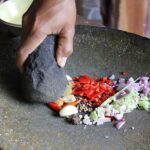
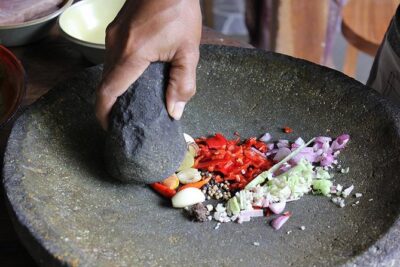
This class puts spice preparation at the center, and it’s smart. Balinese dishes often start as a spice base—a paste or sauce—that shapes flavor more than any single spice does.
You’ll learn two key prep methods:
- Chopped on a wooden chopping block
- Ground in a stone mortar
You’ll test spice ingredients and see how texture changes when you switch between chopping and grinding. That’s not just technique for show. It’s how you learn why some mixes feel brighter and chunkier, while others turn smoother and deeper.
One of the most useful things you’ll get from this portion is how paste and sauce making sits at the heart of Balinese cooking. If you try to recreate dishes later, having that mental model matters. It’s the difference between copying a recipe and actually understanding what to do when you’re back home.
Hands-On Cooking: How Your 6 Hours Actually Feel
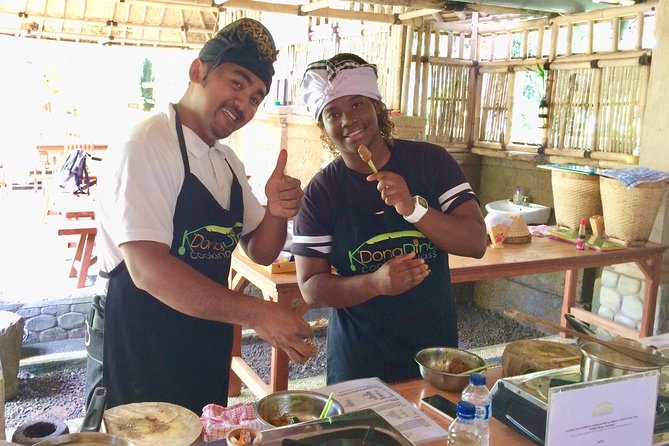
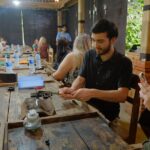
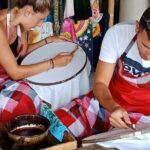
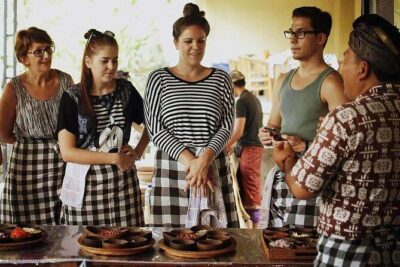
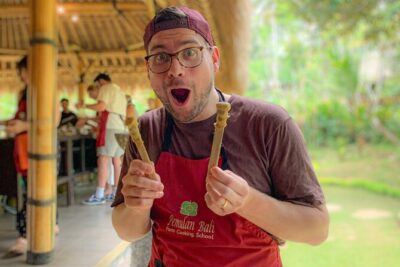
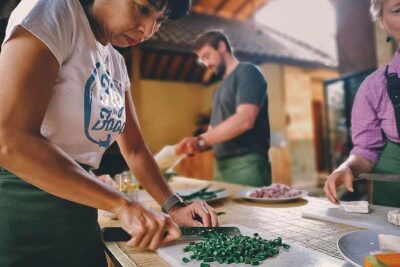
Here’s where the class turns from educational to practical. The cooking is set up as a real workshop. Each participant has a cooking station, plus the tools and kitchen set tools needed to do the work.
You’ll do the tasks that most people assume they’ll just observe:
- chopping
- pounding
- pestling/grinding
- grilling
- assembling and cooking through the dishes
- eating your finished work
Your chef guides the steps and explains what matters, but you’re the one moving your hands through the process. The open-air kitchen layout also keeps the day from feeling like a classroom. You’re working in a place where smells, heat, and sound are part of the lesson.
Also note the pacing: it’s not a two-dish affair. The structure is built so you can make a full meal experience, then sit down and enjoy it as lunch or dinner.
If you like asking questions, this is the type of class where questions are welcomed. The chef isn’t just walking you through a script—he’s sharing the reasoning behind ingredient choices and cooking steps.
A few more Bali tours and experiences worth a look


The Menu: Vegetarian-Friendly Balinese Courses You Make
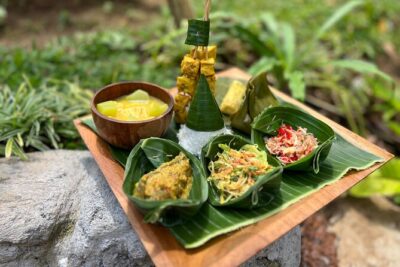
The menu is built around several signature Balinese dishes. And yes, vegetarian options are available, but you need to request them in advance so the team can prepare accordingly.
Dishes listed include:
- JUKUT URAB (Vegetarian)
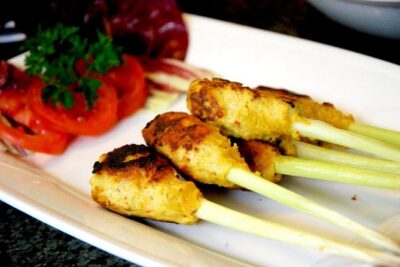
- SATE LILIT AYAM (Vegetarian/TOFU option)
- CALON BE SIAP WITH CHAYOTE SOUP (Vegetarian/TOFU option)
- TAHU MESANTEN (Vegetarian)
- DADAR GULUNG (Vegetarian) ala kdongding
A quick practical note on the soup dish: the class materials highlight chayote’s health associations (like fiber and being low in calories). That’s not a substitute for medical advice, but it does explain why this ingredient shows up in dishes meant to be nourishing.
You’ll likely notice a theme across the menu: sauces and spice bases do a lot of heavy lifting. Even when a dish looks simple on the plate, the flavor often comes from what you did earlier—grind, mix, season, then cook in a way that brings those flavors together.
And this is the best part of making the whole meal yourself. You taste the payoff immediately. It’s easier to remember what you did when you can connect it to the bite in front of you.
Timing, Transport, and Group Size (Including the 6-Person Car)
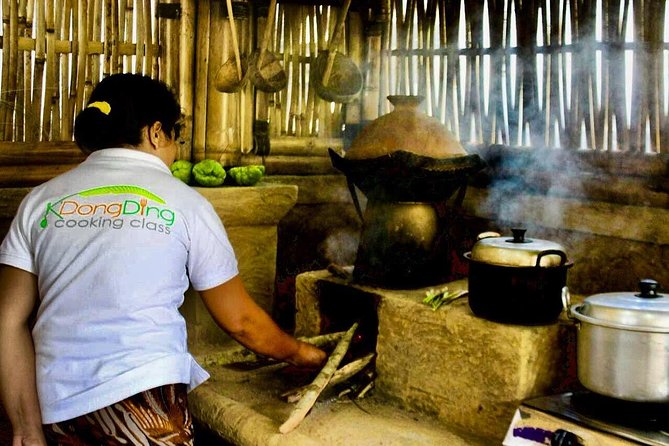
The class runs for about 6 hours. Your exact flow depends on whether you choose the morning or afternoon slot, but the overall pattern stays the same: market → family property/kitchen intro → hands-on cooking → eat.
Pickup is offered from Ubud hotels, and you also have free pickup/drop-off in the Ubud area. That convenience matters in Ubud, where timing can get messy if you’re relying on spot transport.
There’s also an important practical detail about vehicle capacity:
- the car can fit up to 6 passenger
- if your party has more than 6 people (up to 12 total), there’s an extra cost for the additional guests (the info given is $15 USD per person for guests 7–12)
If you’re traveling with a small group of friends or a couple, you’ll feel the benefit of the private, calm setup. If you’re organizing a bigger group, it’s worth planning the transportation math early.
Children must be accompanied by an adult, and the minimum age is 12 years. If you’re coming as a family, plan for a day where the kids are actually participating—this isn’t a sit-and-watch activity.
Price and Value: What $75 Really Covers
At $75, you’re not just paying for a cooking lesson. You’re paying for the whole arc:
- Payangan market visit
- instruction from a local expert chef
- hands-on work at a station with tools and ingredients
- welcome drink (Bali coffee or tea) plus Balinese cake
- snacks
- lunch (morning) or dinner (afternoon) that you cook yourself
- a recipes book
- a Culinary Workshop Certificate
- air-conditioned vehicle and transport included in the Ubud area
That’s why this often feels good value. Many cooking classes in Bali charge for the cooking part only, and then you pay extra for market access, meals, or transport. Here, the meal is part of the lesson, and the transport keeps the day from becoming stressful.
What’s not included is mainly personal expenses. And if your hotel is outside the stated pickup zones, extra transfer fees apply (for example, Sanur area hotels and other farther areas have listed surcharges). If you’re unsure, ask your operator before you book so you don’t get surprised.
One more small thing that reflects modern good sense: bottled water. You’ll be able to refill at the class for free, and they ask you to bring your own bottle to reduce single-use plastic. It’s a simple request that also saves you money over the course of a long day.
Should You Book This Ubud Cooking Class at a Family Home?
I think you should book it if you want the kind of cooking class that teaches you how Balinese flavor is built, not just what dishes to order. The spice prep methods—especially the stone mortar versus wooden chopping block idea—are the sort of skills you can actually use later when you cook at home.
You should also book it if you care about vegetarian-friendly options. Several dishes on the menu can be prepared vegetarian (or with tofu substitutions), as long as you flag your diet when you book.
I’d skip or at least think twice if you’re someone who hates outdoor heat, because the cooking setup is open-air and the experience needs good weather. Also, the day is about full participation. If you want a passive experience, this one will feel like too much hands-on work.
If you’re open to getting your hands in the spices and learning the reasoning behind each paste and sauce, this is a strong choice for an Ubud visit.
FAQ
How long is the Balinese cooking class near Ubud?
It’s approximately 6 hours.
Do you include hotel pickup and drop-off?
Yes. Free pickup and drop-off is provided in the Ubud area (and you’ll also see pickup options listed for Payangan and other nearby areas with extra charges outside Ubud).
What is the group size limit?
Minimum is 1 person and maximum is 12 people per booking. This is a private tour/activity for your group.
Can I request vegetarian food?
Yes. Vegetarian options are available, but you need to let the team know in advance so they can prepare the menu.
What market do you visit?
You visit Payangan Traditional Farmer Market. The market portion is described as a morning market for morning classes and a night market for afternoon classes.
What dishes are included in the class?
The listed dishes include JUKUT URAB, SATE LILIT AYAM (or tofu option), CALON BE SIAP with chayote soup (or tofu/vegetarian option), TAHU MESANTEN, and DADAR GULUNG ala kdongding.
Is there a minimum age for participants?
Yes. The minimum age is 12 years, and children must be accompanied by an adult.
More Bali Workshops & Classes
More Bali Reviews & Picks






More Farm & Village Cooking
Still deciding? More Bali days reviewed, from volcano sunrises to island crossings











Farm & Village Cooking Classes, compared.
 ★ 5.0Ubud Cooking Class Bali with Balinese ChefFrom $351,609 reviews
 ★ 5.0PRIVATE Authentic Balinese Cooking Class in Ubud at Putu’s HomeFrom $75644 reviews
 ★ 5.0Balinese Ubud cooking school (9 Dish Cooking and Market Tour)From $58540 reviews
 ★ 5.0Balinese Farm Cooking Class by Pemulan BaliFrom $39410 reviews
 ★ 5.0Balinese Cooking Class in SeminyakFrom $66281 reviews
 ★ 5.0Balinese Authentic Cooking Class in UbudFrom $39239 reviews
 ★ 5.0PRIVATE Balinese Cooking Class in Ubud with Dewa with TransfersFrom $69213 reviews
 ★ 5.0Balinese Cooking class with traditional morning market visitFrom $35161 reviews
Browse the lists this tour appears in