
Reviewed · FARM & VILLAGE COOKING CLASSES
Farm-to-Table Balinese Cooking Experience
Your basket starts the Balinese cooking lesson. I like the market tour format because you pick ingredients from local vendors before you cook, and I also like that the lunch comes from what you actually make. The only real downside is price: at $47.31 per person it can feel high compared with other Bali cooking options, especially after currency conversion.
This 3 hours 30 minutes experience in Ubud (run by Genuine Bali Experience) blends a guided market stop, a hands-on class, a visit to a local Balinese family home, and then you eat your results. With a max group size of 15 and pickup/drop-off offered in the Ubud area, it’s set up to be practical—not rushed—though it does depend on good weather.
In This Review
- Key things to know before you go
- A market tour that actually sets up your cooking
- Hands-on Balinese cooking with organic farm ingredients
- The countryside setting: why the views aren’t just decoration
- The Balinese family home visit: daily life, not just a photo stop
- Lunch is the payoff: eat what you made
- Pickup, pace, and group size: the logistics that affect comfort
- Price check: is $47.31 worth it in Bali?
- Who this Balinese cooking day is best for
- Should you book this farm-to-table cooking experience?
- FAQ
- How long is the Farm-to-Table Balinese Cooking Experience?
- Where does the tour take place?
- What is included in the price?
- Is lunch included?
- Do you offer pickup and drop-off?
- How big is the group?
- Do I get the recipes after the class?
- What happens if the weather is bad?
- What happens if the minimum number of travelers isn’t met?
- What is the cancellation policy?
- Final note
Key things to know before you go
- Guided market ingredient hunt: you choose what goes into your dishes from local vendors
- Hands-on cooking with organic, farm-fresh produce: farm-to-table is the point, not just a slogan
- Countryside views while you cook: the setting is part of the experience
- Local family home visit: you get a look at daily Balinese life
- Lunch is included: you sit down to eat what you prepared
- Small group size (max 15): easier to get attention during the cooking class
A market tour that actually sets up your cooking
The day starts with a guided market tour in and around Ubud, and the key difference here is how you use it. Instead of watching someone else pick ingredients, you choose them yourself from local vendors. That does two useful things for you: you learn what Balinese cooking starts with, and you build confidence in the flavors before the stove ever heats up.
Expect this first part to feel like a guided food scavenger hunt. You’re selecting fresh ingredients, so you’ll pay attention to what looks good that day and what ingredients the cooking class will use. It also makes the rest of the experience more personal. When you later chop, grind, mix, and season, you’re not working from a mystery ingredient list—you’re cooking with the choices you made.
The other practical win: a market stop teaches you how Balinese cooking connects to everyday sourcing. Even if you never cook at home, you’ll come away understanding what’s worth looking for when you’re shopping in Bali.
More farm and village cooking classes
Hands-on Balinese cooking with organic farm ingredients
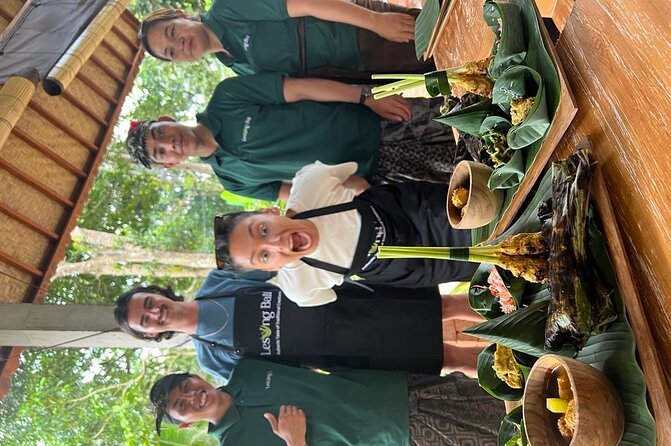
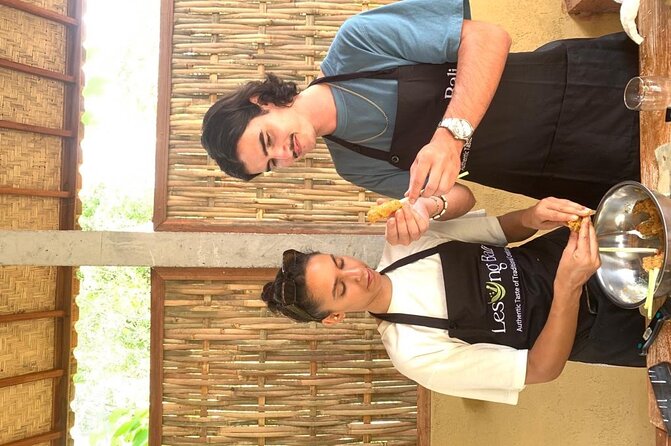
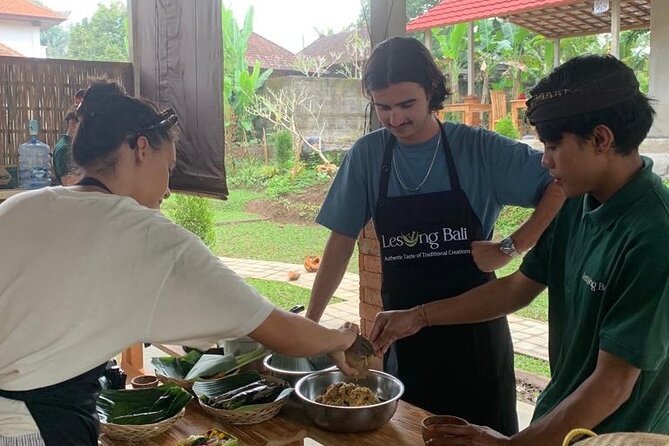
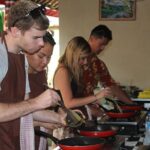
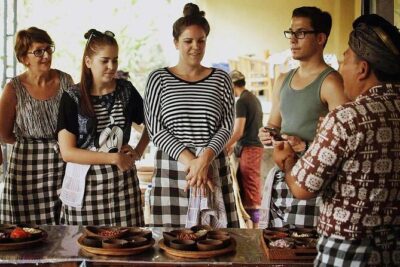
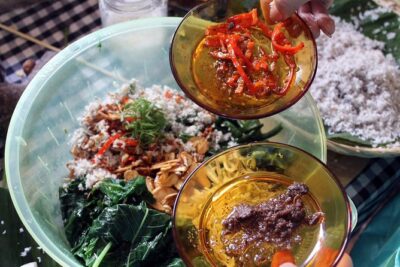
After the market, you move into the cooking class with a local expert. This is where the farm-to-table idea becomes real. You’re preparing traditional dishes using organic ingredients harvested from the farm, not just supermarket items dressed up as authentic.
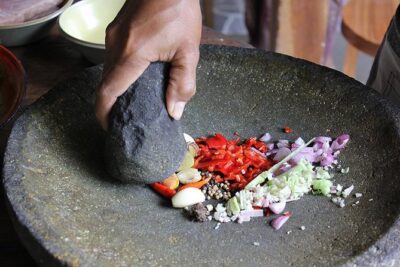
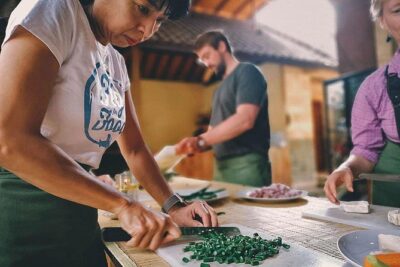
Hands-on matters here. You’ll be doing the work—so you learn in steps: prep, mix, season, cook, then taste. That tends to stick better than a purely observational class. It also helps you notice the difference between ingredients that are fresh and ingredients that are tired. In a place like Ubud, where flavor is often the headline, freshness isn’t a small detail.
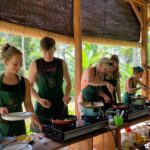
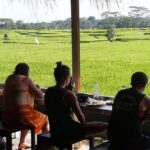
Another nice touch: while you cook, you get stunning countryside views. That’s not just scenery. It helps you slow down and focus on what you’re doing, which you’ll appreciate if you’re traveling on a packed schedule.
A small group size (max 15) usually makes a difference in class dynamics too. Even without knowing the exact course plan, smaller groups typically mean you’re less likely to feel ignored when a question comes up.
The countryside setting: why the views aren’t just decoration
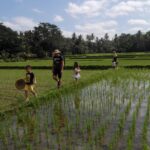
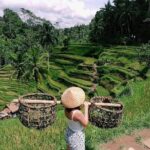
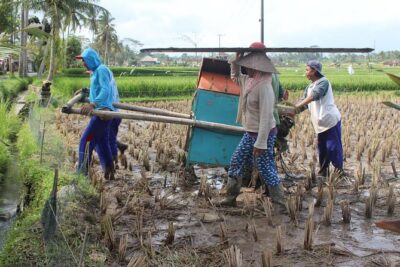
This experience takes place in a picturesque, tranquil location with views over lush countryside. That matters because cooking classes can feel cramped or rushed. Here, the setting supports a calmer pace, so you can take in what you’re learning while you cook.
It also changes the tone of the day. Instead of treating food as a quick activity between temples and traffic, you get a slow-food feeling: gather, cook, then sit down. The scenery can make that rhythm easier to enjoy.
And if you’re the type who likes to understand place through food, this part helps. When you can see the surrounding greenery while you’re cooking with farm-fresh produce, the ingredients feel connected to the land—not like they arrived in a truck that morning.
One thing to note: this tour requires good weather. If conditions aren’t right, the experience may be moved to a different date or refunded, so keep that in mind for your planning.
The Balinese family home visit: daily life, not just a photo stop
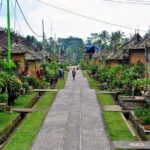
One of the most meaningful sections of the program is the visit to a local Balinese family in their home. This is where the experience shifts from food instruction to lived culture.
You’ll gain insight into daily life and the island’s unique way of living, which is exactly what you want if you’re trying to get beyond surfaces. A home visit can turn the cooking class from a standalone activity into something with context: why certain flavors and routines matter, and how food fits into everyday Balinese life.
To get the most out of this part, come with a curious but respectful mindset. Ask simple questions, listen more than you talk, and remember this isn’t a staged performance—it’s a peek into normal life.
It’s also a helpful balance. Many cooking experiences focus only on technique. Adding a family home visit gives you a fuller picture of why the food tastes the way it does and how it’s part of the rhythm of the day.
Lunch is the payoff: eat what you made
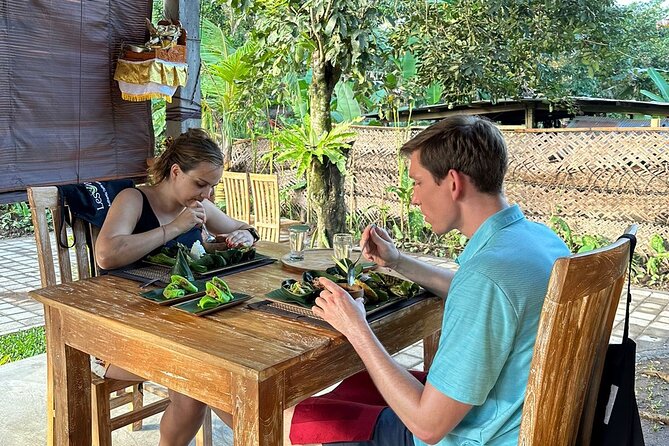
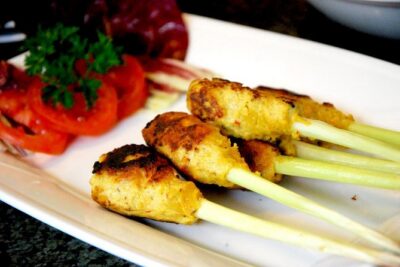
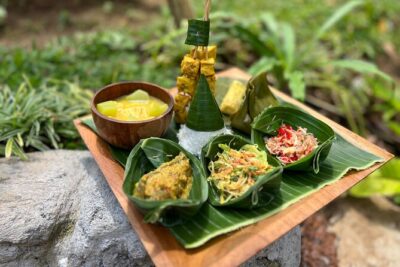
At the end, you sit down for lunch and enjoy the dishes you prepared. Since lunch is included, this isn’t a “class now, food later” situation where you’re left figuring out where to eat.
There’s something satisfying about eating your own work. You’ll recognize the effort in every bite because you were there during the market choices and the cooking steps. It’s also a practical way to learn: tasting your finished dishes gives immediate feedback on seasoning and technique.
This part matters for value. If you’re comparing cooking classes in Bali, the biggest price variable is usually how much you get fed and how hands-on it is. Here, lunch is clearly part of the package, and you’re not just nibbling a small sample.
Plus, you’ll be eating in a setting that matches the tone of the morning—tranquil and scenic—so the meal feels like an experience, not a refund waiting to happen.
A few more Bali tours and experiences worth a look

Pickup, pace, and group size: the logistics that affect comfort
This is a 3 hours 30 minutes experience, and pickup & drop-off are offered in the Ubud area. That takes friction out of the day. Instead of negotiating rides after you’re sweaty and full from cooking, you can focus on the itinerary.
Group size caps at 15 travelers. That usually makes instruction easier to follow and gives you a better shot at asking questions during the cooking stage. It’s also less chaotic than larger groups, especially when you’re handling ingredients and working near the cooking area.
Included in the experience:
- Lunch
- Bottled water
- Pickup & drop-off within Ubud area
- Recipe (PDF)
That PDF recipe is a small but useful extra. After the day, it helps you recreate the dishes at home, or at least remember ingredient combinations and steps you might otherwise forget.
The only thing not included is personal use, which can cover small extras you might want during the day. If you like buying extra drinks, snacks, or souvenirs, budget for that separately.
Price check: is $47.31 worth it in Bali?
Let’s talk value, not just cost. At $47.31 per person, you’re paying for more than a cooking class. You’re getting:
- a guided market ingredient selection
- a hands-on cooking session using organic, farm-fresh produce
- a local Balinese family home visit
- lunch you made
- pickup & drop-off in the Ubud area
- bottled water
- a recipe PDF
That package is the core of why the price can make sense. Many cheaper experiences offer only a class, or they reduce the market/farm component. Here, the program is structured around farm-to-table sourcing and context.
Still, price sensitivity is real. One concern that pops up is that this can feel expensive for Bali, and in one case the amount billed came out to around AUD180 after conversion. If you’re comparing options, make sure you compare apples to apples: market visit, lunch included, and what kind of sourcing is used.
My practical advice: if your priority is the full day format—market to plate, plus a family home visit—this is more likely to feel fair. If you mainly want a quick cooking demo with minimal extras, you’ll probably find cheaper alternatives that feel closer to what you want.
Who this Balinese cooking day is best for
This fits best if you want a structured, cultural food experience without having to plan every step.
You’ll likely enjoy it if you:
- want a hands-on Balinese cooking class rather than watching from the sidelines
- like understanding ingredients before you cook them (that market portion is key)
- value a cultural moment beyond food, like the local family home visit
- prefer smaller groups (max 15) and pickup within Ubud
- want lunch fully handled and included
It may be less suitable if:
- price is your top priority and you’re shopping for the absolute cheapest option
- you strongly dislike weather-dependent plans, since the tour requires good weather
Should you book this farm-to-table cooking experience?
I’d book this if you’re in Ubud for a short time and you want one activity that covers a lot: market learning, organic farm-to-table cooking, a cultural home visit, and lunch you made. The included pickup/drop-off and lunch also lower the hassle factor.
I wouldn’t book it if you see the $47.31 price and think you can get the same food learning for less. Because the program includes several parts—market, cooking, family visit—the value depends on whether you’ll actually use all of it.
A good middle path: check your schedule for flexibility (since weather can affect it), and be honest about whether you want the full farm-to-table day or just a cooking class.
FAQ
How long is the Farm-to-Table Balinese Cooking Experience?
The experience lasts about 3 hours 30 minutes.
Where does the tour take place?
It takes place in Ubud, Indonesia.
What is included in the price?
Lunch, bottled water, pickup & drop-off in the Ubud area, and a recipe (PDF) are included.
Is lunch included?
Yes, lunch is included.
Do you offer pickup and drop-off?
Yes, pickup & drop-off are offered within the Ubud area.
How big is the group?
The maximum group size is 15 travelers.
Do I get the recipes after the class?
Yes, you receive a recipe in PDF format.
What happens if the weather is bad?
The experience requires good weather. If it’s canceled due to poor weather, you’ll be offered a different date or a full refund.
What happens if the minimum number of travelers isn’t met?
If it’s canceled because the minimum isn’t met, you’ll be offered a different date/experience or a full refund.
What is the cancellation policy?
You can cancel up to 24 hours in advance for a full refund. If you cancel less than 24 hours before the start time, the amount paid is not refunded.
Final note
This one is a solid pick for food-focused Ubud days where you want the story behind the meal. Just sanity-check the price against what else you can get, especially after currency conversion.
More Farms worth booking around Bali
More Bali Reviews & Picks






More Farm & Village Cooking
Still deciding? More Bali days reviewed, from volcano sunrises to island crossings








Farm & Village Cooking Classes, compared.
 ★ 5.0Ubud Cooking Class Bali with Balinese ChefFrom $351,609 reviews
 ★ 5.0PRIVATE Authentic Balinese Cooking Class in Ubud at Putu’s HomeFrom $75644 reviews
 ★ 5.0Balinese Ubud cooking school (9 Dish Cooking and Market Tour)From $58540 reviews
 ★ 5.0Balinese Farm Cooking Class by Pemulan BaliFrom $39410 reviews
 ★ 5.0Balinese Cooking Class in SeminyakFrom $66281 reviews
 ★ 5.0Balinese Authentic Cooking Class in UbudFrom $39239 reviews
 ★ 5.0PRIVATE Balinese Cooking Class in Ubud with Dewa with TransfersFrom $69213 reviews
 ★ 5.0Balinese Cooking class with traditional morning market visitFrom $35161 reviews
Browse the lists this tour appears in