
Reviewed · FARM & VILLAGE COOKING CLASSES
Balinese Cooking Class at Organic Farm
A wood-fired stove and an ingredient walk sounds simple, but it really works. You’ll get a hands-on Balinese cooking class on an organic farm outside Ubud, including picking produce and learning how it’s grown. I love the mix of farm education + cooking time, and I also like that the group stays small enough to help you at the stove. One consideration: it’s rural, so you should expect some walking on farm paths and you’ll want good weather for the full experience.
This class is priced fairly for what you get: round-trip transport from central Ubud, a meal you help make, and a real connection to the Subak system and organic farming. You’ll start with a welcome drink, tour and harvest ingredients, then cook multiple dishes using traditional heat, before eating together in a calm hut setting.
In This Review
- Key Things I’d Book For
- From Ubud Pickup to Mai Organic Farm: Easy Start, Real Rural Setting
- How the Subak System Fits Into Your Lunch
- Walking the Garden and Picking Ingredients Like You Mean It
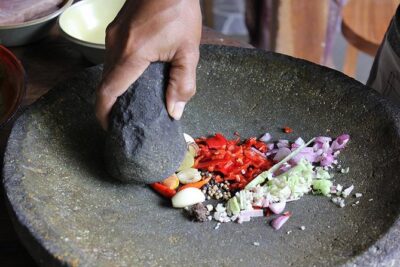
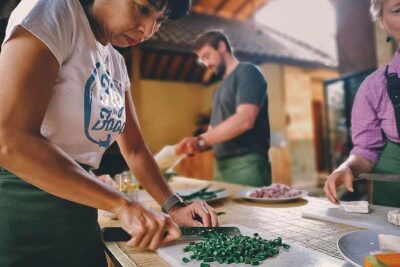
- The Cooking Section: Six Balinese Dishes and Traditional Heat
- Welcome Drinks, Sip Juice, and Herbal Things You Can Actually Taste
- Eating Together in a Gubuk: The Meal Feels Like Part of the Class
- What You’re Really Paying For: Value at $40
- Who Should Book This Cooking Class (and Who Might Skip It)
- Quick Practical Tips Before You Go
- Should You Book Mai Organic Farm’s Balinese Cooking Class?
- FAQ
- How long is the Balinese Cooking Class at Mai Organic Farm?
- Where does the experience take place?
- What dishes do I learn to cook?
- What drinks are included?
- Is pickup available from Ubud?
- How small is the group?
- Is a mobile ticket used?
- What if the weather is bad?
- Can I cancel for a full refund?
- Do I need to know how to cook?
Key Things I’d Book For
- Small-group cooking with a cap listed at up to eight travelers (and a maximum of 10 in the operating details), so you’re not stuck watching.
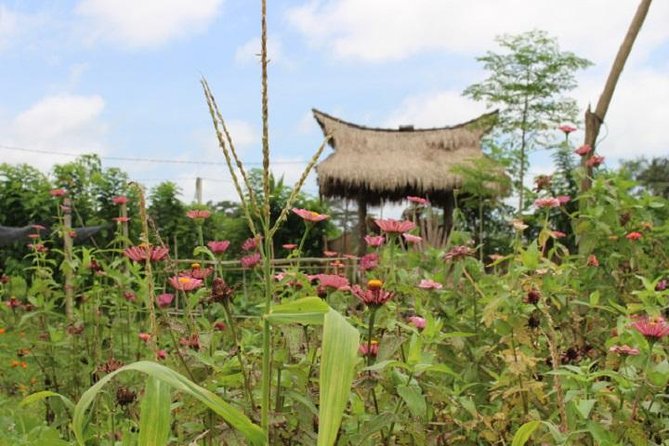
- Farm-to-table ingredient picking, including herbs and produce from the garden before you cook.
- Traditional cooking setup, using a wood-fired stove and outdoor heat sources for the dishes.
- Hands-on drink moments, with items like lemongrass tea, Balinese coffee, herbal drinks, and infused water.
- Community-first mission tied to Mai Organic Farm and local farmers from Pejeng.
From Ubud Pickup to Mai Organic Farm: Easy Start, Real Rural Setting
The day starts with round-trip transfers from central Ubud hotels and rentals. That matters because it keeps you from burning your morning on sorting out transport, and it also helps you arrive on time for the farm portion.
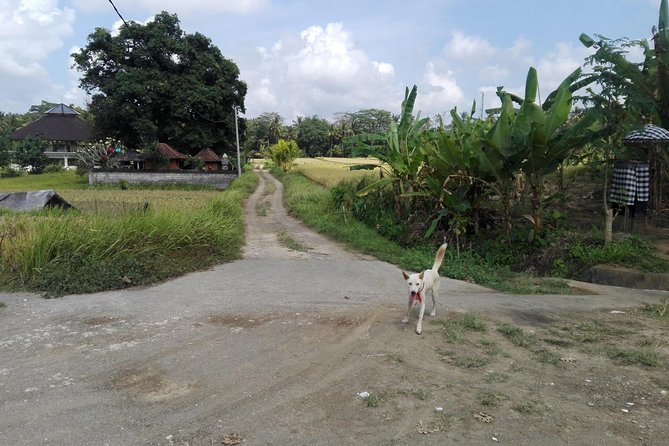
Once you’re in the countryside, the change in pace is the point. You’ll begin at Mai Organic Farm Bali in the Pejeng area (near Tampaksiring, Gianyar), where the whole schedule is built around walking the grounds, learning the organic approach, and then cooking what you picked.
More farm and village cooking classes
How the Subak System Fits Into Your Lunch
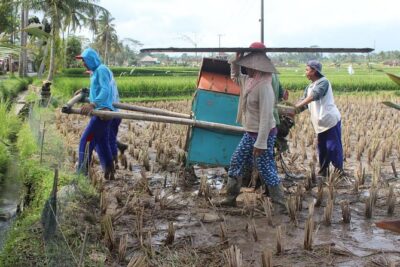
Before you touch a knife, you get taught the idea behind the farm. You’ll hear about organic farming and the Subak system, which is recognized as a UNESCO World Heritage cultural practice tied to how water is managed and shared for rice growing in Bali.
Why this matters for you as a cook-at-the-stove type: it gives the ingredients meaning beyond just flavor. When you understand how water, soil, and farming cycles shape what grows, you’re more likely to appreciate why certain herbs and vegetables taste the way they do in the Balinese kitchen.
You also get introduced to a local community movement and how the work supports farmers and villagers. It’s not just a tour script; it’s the reason the class exists.
Walking the Garden and Picking Ingredients Like You Mean It
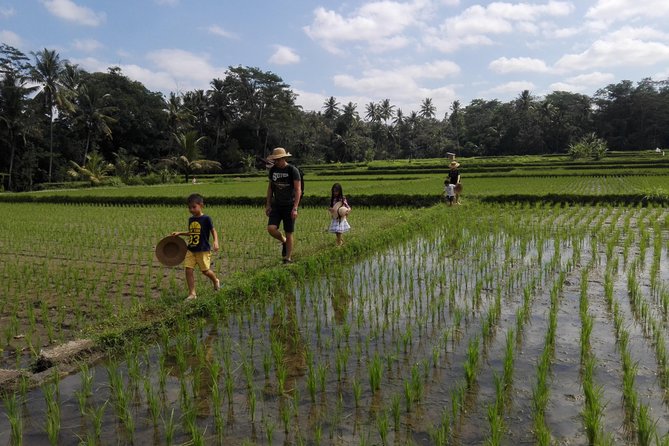
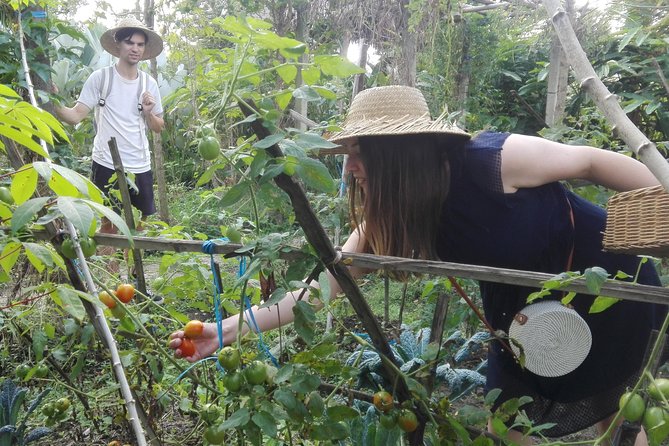
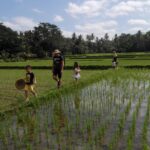
One of the best parts is the ingredient walk. You’ll stroll along the community farm and pick what will become your meal, which turns the class into something more tactile than a standard cooking studio.
Expect to move through shaded areas first, then get out where the plants are. You’ll learn what’s growing and why it’s used, and you’ll start recognizing flavors before you’re cooking them.
A useful way to think about this section: you’re gathering the “map” for the rest of the day. When you later make your sauces and dishes, you’ll remember the exact herb or vegetable you chose, and that makes the cooking steps easier to follow and repeat at home.
The Cooking Section: Six Balinese Dishes and Traditional Heat
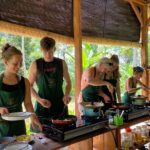
After the farm tour and ingredient picking, you’ll return to the community center at Mai Organic Farm. Then comes the main event: preparing six Balinese dishes.
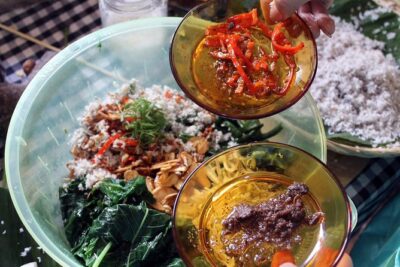
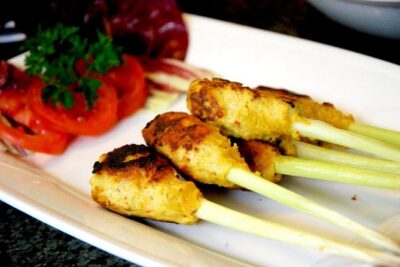
The menu items you’re told about include dishes such as tuna sate and corn fritters, along with savory bites like sate lilit kebab. Your class is set up so you can participate as much or as little as you want, which is helpful if you’re traveling with kids or anyone who just wants to learn without feeling rushed.
A big practical plus: the cooking uses traditional methods, including a wood-fired stove (and outdoor grilling or fire-stove style cooking, depending on the setup that day). That kind of heat changes how things smell and how food develops flavor, especially with herbs and spices.
What you should watch for while you cook: don’t overthink measurements. This style is built on technique, timing, and using ingredients in the right order. If you lean into the process instead of trying to control everything, you’ll have a smoother time.
Welcome Drinks, Sip Juice, and Herbal Things You Can Actually Taste
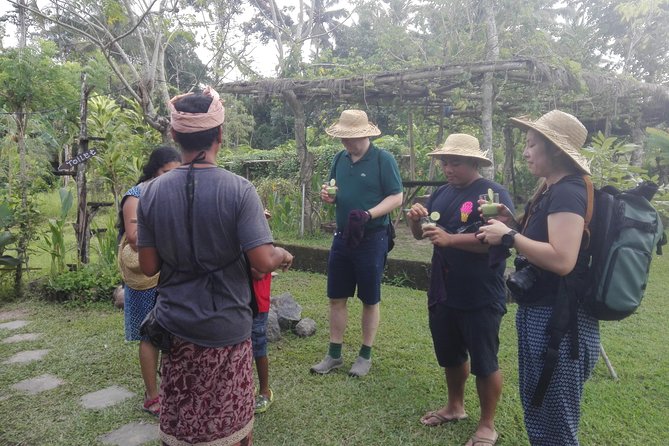
The class isn’t only about cooking. You’ll start with a welcome drink, then later you’ll have refreshing juice made with vegetables and fruit from local farms.
The drink lineup is clearly part of the experience too. You’ll get Sip juice, infused water, herbal drinks, Balinese coffee, and lemongrass tea. Even if you’re not a huge drink person, this section is worth paying attention to because it shows how Balinese meals balance savory food with aromatic, often herbal flavors.
If you like taking food knowledge home, use this time to ask simple questions like what ingredient makes the drink taste the way it does. You’ll end up better prepared when you try making variations later.
A few more Bali tours and experiences worth a look
Eating Together in a Gubuk: The Meal Feels Like Part of the Class
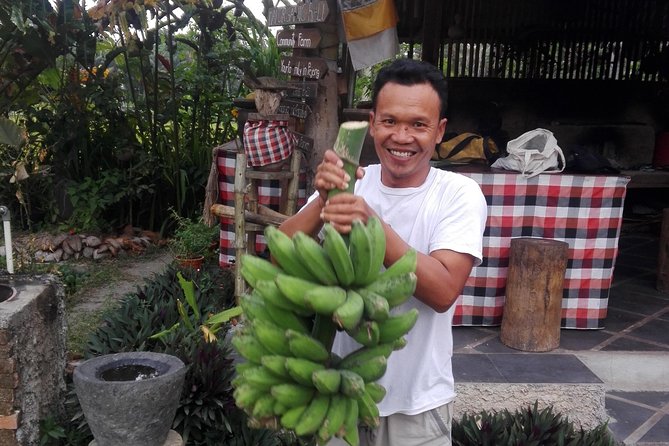
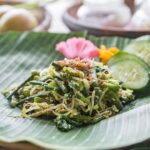
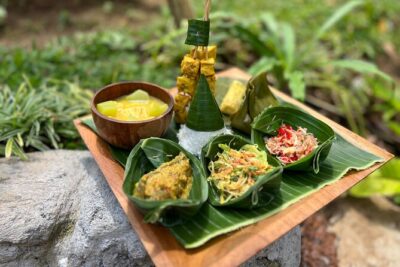
Once the cooking is done, you’ll eat what you made in a tranquil gubuk (hut) setting. This is where the day clicks into place, because everyone gets the same outcome: a shared lunch created from the same ingredients you harvested.
This also works well for mixed groups. The class is structured for hands-on participation, but it doesn’t punish you if you’re slower or prefer to watch first. If you’re coming as a couple, it’s a calm shared table moment. If you’re coming with family, it’s a straightforward goal: cook together, then sit down together.
And yes, the communal feel is a real part of the value here. You’re not just paying to eat; you’re paying to connect the steps.
What You’re Really Paying For: Value at $40
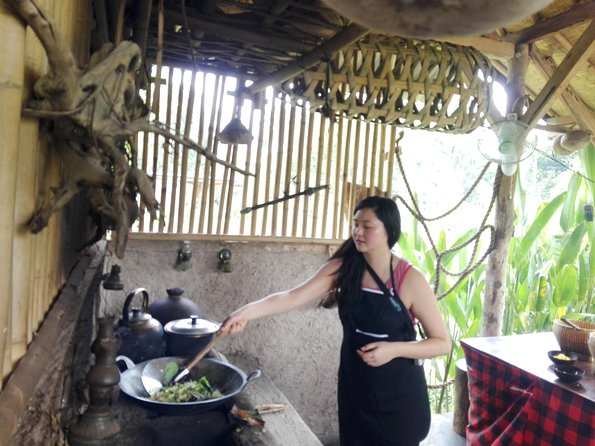
At $40 per person, this class can feel like a steal compared with cooking classes that are basically kitchen demos. The value comes from three things happening together:
First, you’re getting farm education tied directly to what you cook. Second, you’re cooking multiple dishes with a traditional setup. Third, you’re included in transport from central Ubud, which saves time and hassle.
Duration is about 5 hours, so it’s not a half-day that drags. It’s enough time to walk, learn, cook, drink, and eat without feeling like the day got stretched thin.
If you hate tourist-style activities, you’ll appreciate that it’s built around real work: organic growing, harvesting, then cooking. If you love food but want something more memorable than a meal out, you’ll like that you leave with practical knowledge instead of just a full stomach.
Who Should Book This Cooking Class (and Who Might Skip It)
This is a good fit if you want:
- A Balinese cooking class with organic farm context, not just a recipe list
- A small group setting where you can actually participate
- Traditional cooking methods like wood-fired heat
- An activity that works for families, including children who enjoy picking ingredients and learning by doing
It might not be the best choice if:
- You dislike walking on uneven rural paths for part of the morning
- You’re traveling on a schedule where weather disruptions would be a problem (good weather is required, and the operator offers an alternate date or a full refund if it’s canceled)
Also, if you’re the type who wants everything broken down into strict measurements and exact timing, you might still enjoy it, but the style here leans more toward process and technique.
Quick Practical Tips Before You Go
- Wear shoes with grip. You’ll be walking around farm areas.
- Bring a light layer. Shaded spots and outdoor cooking areas can change how warm you feel.
- Come hungry. The class ends with a full meal you help make.
- Ask about ingredient substitutions if you plan to cook at home later. The most useful learning is what translates.
One more small plus: the team tends to be genuinely engaged. Several people note they’re friendly and fun throughout, and that explanations are easy to follow.
Should You Book Mai Organic Farm’s Balinese Cooking Class?
If you’re choosing between a basic cooking class and one that connects organic farming, UNESCO-listed Subak ideas, and real ingredient picking, book this. The small group setup, wood-fired cooking, and the fact that you make a full meal (not just one dish) create a better payoff for your time.
I’d especially recommend it if you’re staying in Ubud and want to spend a morning away from the crowds, learning the food culture in a way that sticks: you pick it, you cook it, you eat it, and you understand why those ingredients matter.
FAQ
How long is the Balinese Cooking Class at Mai Organic Farm?
The class runs for about 5 hours.
Where does the experience take place?
It starts and ends at Mai Organic Farm Bali, in the Pejeng area near Tampaksiring (Gianyar), Bali.
What dishes do I learn to cook?
You’ll learn to cook six different Balinese dishes, including items like sate lilit kebab and tuna sate, plus corn fritters.
What drinks are included?
You’ll have drinks such as Sip juice, infused water, herbal drinks, Balinese coffee, and lemongrass tea, plus a vegetable-and-fruit juice made from local farms.
Is pickup available from Ubud?
Yes. Round-trip transfers are offered from central Ubud hotels and rentals.
How small is the group?
The description mentions up to eight travelers, and the operating details list a maximum of 10 travelers.
Is a mobile ticket used?
Yes, the experience includes a mobile ticket.
What if the weather is bad?
The experience requires good weather. If it’s canceled due to poor weather, you’ll be offered a different date or a full refund.
Can I cancel for a full refund?
Yes. You can cancel for a full refund up to 24 hours before the experience’s start time.
Do I need to know how to cook?
No. The class is set up so you can participate as much or as little as you want during the cooking steps.
More Farms worth booking around Bali

More Bali Reviews & Picks






More Farm & Village Cooking
Still deciding? More Bali days reviewed, from volcano sunrises to island crossings












Farm & Village Cooking Classes, compared.
 ★ 5.0Ubud Cooking Class Bali with Balinese ChefFrom $351,609 reviews
 ★ 5.0PRIVATE Authentic Balinese Cooking Class in Ubud at Putu’s HomeFrom $75644 reviews
 ★ 5.0Balinese Ubud cooking school (9 Dish Cooking and Market Tour)From $58540 reviews
 ★ 5.0Balinese Farm Cooking Class by Pemulan BaliFrom $39410 reviews
 ★ 5.0Balinese Cooking Class in SeminyakFrom $66281 reviews
 ★ 5.0Balinese Authentic Cooking Class in UbudFrom $39239 reviews
 ★ 5.0PRIVATE Balinese Cooking Class in Ubud with Dewa with TransfersFrom $69213 reviews
 ★ 5.0Balinese Cooking class with traditional morning market visitFrom $35161 reviews
Browse the lists this tour appears in